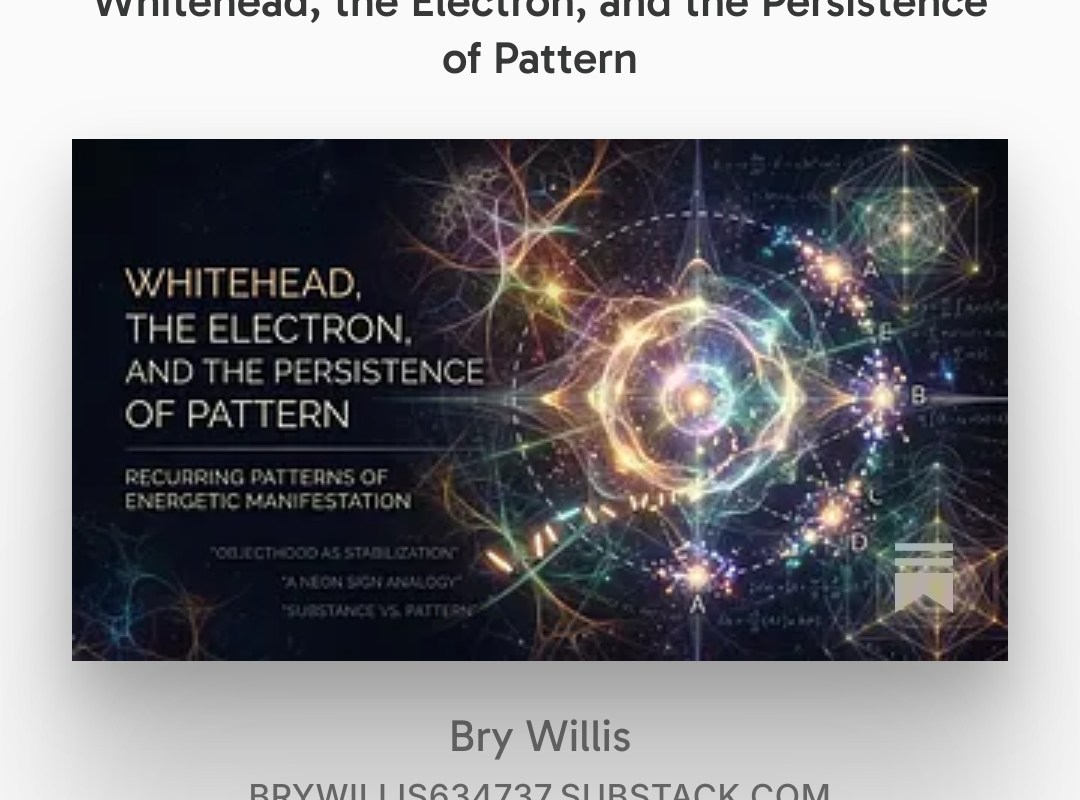
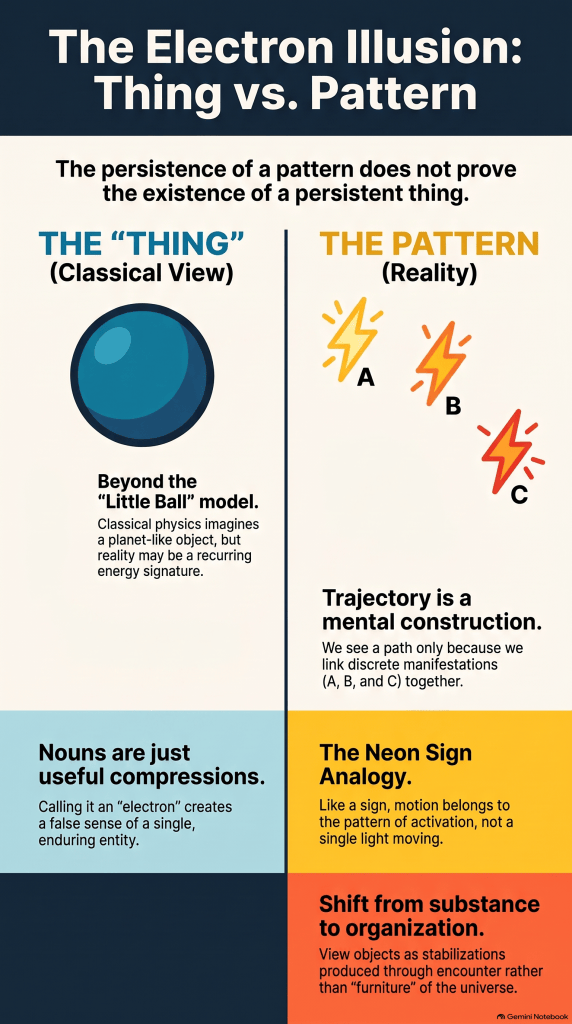
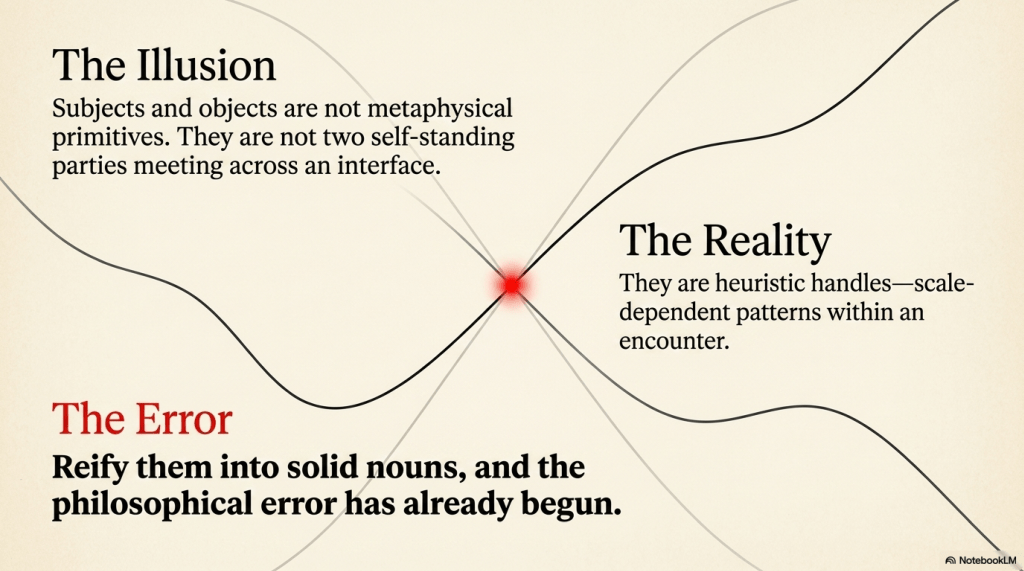
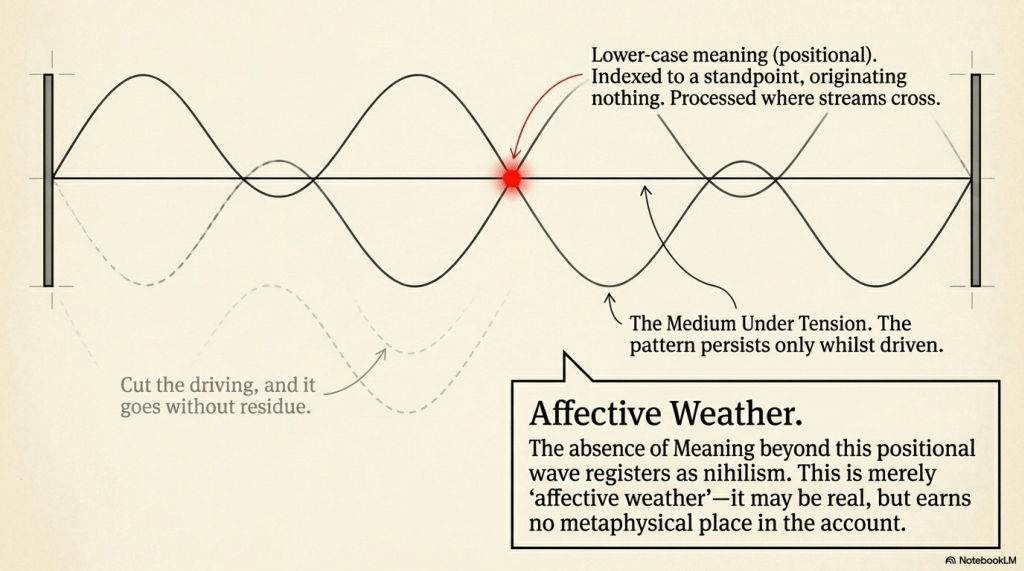
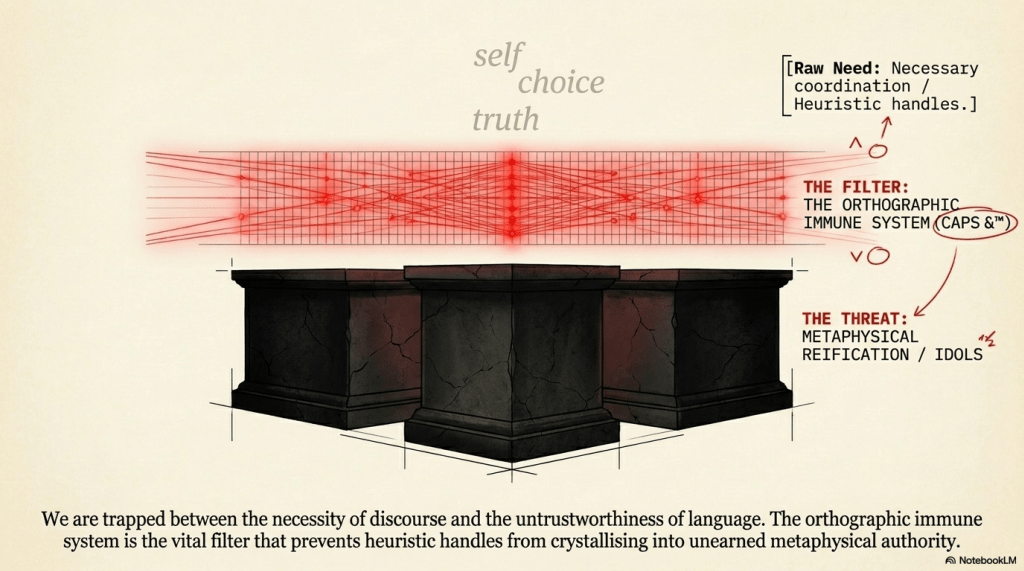
These are additional assets related to this Substack post on Alfred North Whitehead’s Science and the Modern World, the chapter on Quantum Theory. It starts like this…
I’ve just finished Whitehead’s chapter on quantum theory in Science and the Modern World. Allowing for the obvious fact that he’s writing from the vantage of 1925, I found this chapter considerably closer to my own way of thinking than some of what preceded it.
What particularly caught my attention was his treatment of the electron.
The classical picture encourages us to imagine a tiny object orbiting a nucleus, rather like a planet around a star. Even when we know that this picture is inadequate, the noun electron still invites us to imagine some enduring thing which persists whilst changing position or state.
Below are summaries in video and podcast format as well as 16 related PDF slides. The fill article is available on my Substack.
Every year, apparently, somebody wins happiness. Recently it has often been Finland. The headlines arrive with the confidence of a football result: Finland is the happiest country in the world. One imagines the Finns receiving a small trophy, perhaps in a sauna.
The claim sounds empirical. It sounds as though something called happiness has been located, measured, aggregated, ranked and compared across national borders. There are, of course, surveys behind such rankings, and those surveys may be perfectly competent at measuring what they actually measure: reported life satisfaction, evaluations of present circumstances, perceived social support, security, income, institutional trust and related variables.
But that is already quite different from saying that Finns possess more happiness than everybody else.
I shared another Substack post, but I want to expand it a bit here. On the Substack version, I conspicuously didn’t name certain obvious names, but here, I shall. I also left out a reference to Plato’s Republic.
The current American regime is built on meritocracy, and – this is the part everyone misses – it would not deny the charge. It rather likes the word. It uses the reinterpreted version, the laundered one my other essay was about, in which merit means precisely whatever the sovereign has decided it should mean this morning. Accuse them of meritocracy, and they will thank you for noticing.
Take the man at the centre of it. Whether Donald Trump is meritorious is not, in the end, a question about Donald Trump. It is a question about which ontological grammar you happen to be speaking, because the grammar constitutes the object before a single fact is admitted into evidence. This is the whole Language Insufficiency point in miniature: the frame quietly does the work the facts are later congratulated for.
To Cohort A, he is a charismatic and self-made businessman. The six bankruptcies are not failures but proof of a shrewd operator who knows how to play the game and walk away intact – power-mind, killer instinct, the art of the deal. That he has a decades-long habit of not paying his contractors, and an even longer one of not paying his tax, does not indict him; it endears him. It makes him the everyman who beat the system the rest of us merely resent. A working-class hero, if you can manage it, descending on a golden escalator.
To Cohort B – and I’ll confess my membership, since honesty is cheaper than the pretence of the view from nowhere – he is a less likeable Forrest Gump: a man forever arriving at the centre of history without ever quite grasping how he got there, weaponising a charisma that works only on the already-mesmerised, and rebuilding the world with himself at the origin. He has a certain gravity. It attracts sycophants and rewards them, which is the only merit test his court reliably administers.
Same man. Two grammars. The ‘merit’ resides in neither the man nor the record; it is assigned by the frame and then invoiced to the evidence. Which is exactly the thesis of the parent essay, now wearing a name tag.
The downward stroke, said plainly
The parent essay left the reverse operation as a coy ‘phrase in current circulation’. I’ll say it here without the euphemism: DEI hire. The move is to take career civil servants – people with decades of demonstrable domain competence, whatever their private politics – and broad-brush them as diversity appointments, which is to say, unqualified by definition, arrived by an unauthorised route. The vacancies then fill with those who have pledged fealty and displayed the one indispensable qualification: a flexible integrity. The competent are marked down for being the wrong sort; the pliant are marked up for being biddable. ‘Incompetent’ has been quietly reissued to mean not ours, and ‘qualified’ to mean loyal. Same machine, thrown into reverse – now with a name engraved on the lever.
The cream, and the dimension it rose along
Which brings me, as these things do, to Plato. The Substack piece used his ship of state – the crew who master the mutiny rather than the sea. Here I want the other half of the same complaint: the comfortable conviction that the meritorious rise to the top like cream.
They do rise. That was never in dispute. What the metaphor conceals is the dimension along which they rose. These people are genuinely competent – at working the system, at the acquisition and retention of position – which is a wholly different skill from governing, and precisely the one we so conveniently assume we were measuring. Cream rises; so does scum; the trope declines to specify which, and physics is no help at all.
This is the standing problem of republicanism – and no, before anyone lunges for the comment box, I do not mean the Republican Party, which has its own well-stocked catalogue of failures, as do the Democrats, who would be unwise to feel smug reading this. Nor is any of it uniquely American. If you are somewhere else entirely, enjoying the spectacle from a safe distance, do put the popcorn down. The mechanism by which a society mistakes competence-at-ascending for competence-at-ruling is not a national defect. It is a design flaw in selection itself, and your country installed it too.
I will not, on this occasion, start in on the failings of democracy as a system. Been there; done that. There are only so many sacred cows a man can tip before lunch.
The question, once more
‘Meritocracy’ survives all of this the way it survives everything – by never once being asked the only question that matters: merit at what, judged by whom, to whose benefit? Put it to the present court, and the answer is almost embarrassingly legible. Which is, of course, exactly why the question is never put.
I agree with Paul directionally, but I think he could have gone further – and perhaps he has since – so I compare his view to my own in a Substack article. I’m not sure whether he’d disagree with the extensions. Check it out.
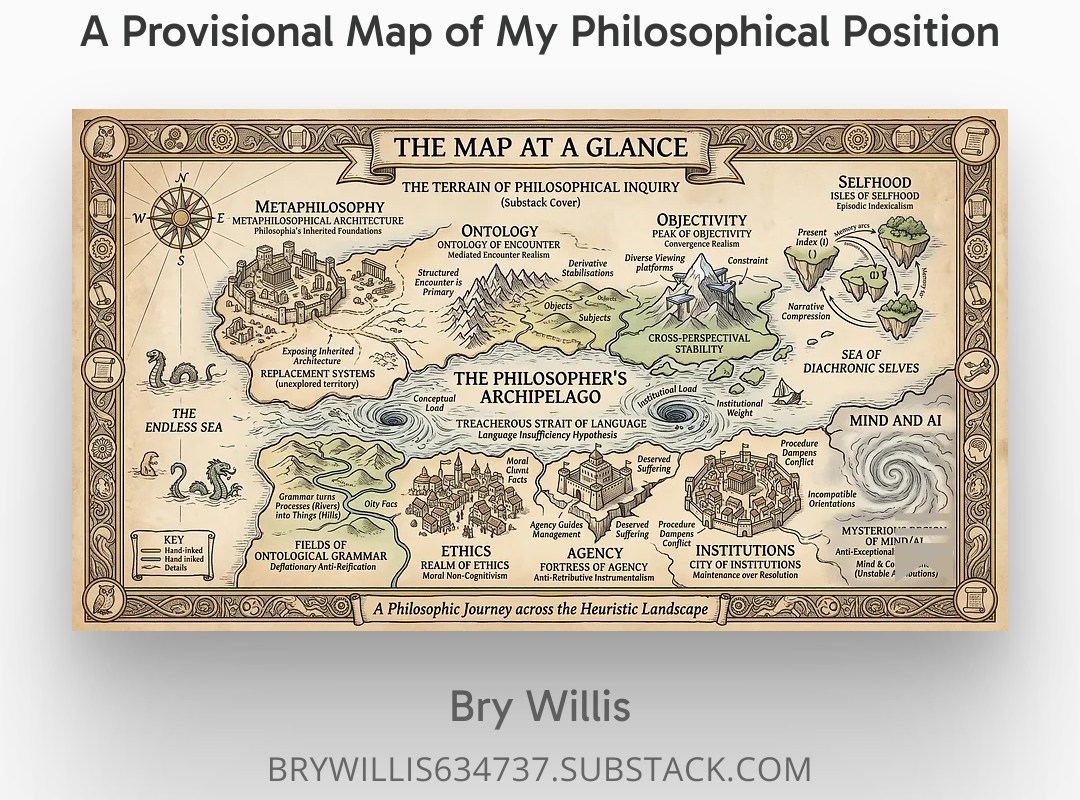
The question is reasonable, although belief may already be doing more work than I would permit it under cross-examination. My writing is generally diagnostic rather than doctrinal. I am more interested in identifying the architectural assumptions beneath a dispute than in selecting a furnished room within it. Where philosophy offers a contest between established positions, I often suspect that the arena itself has been badly designed.
Still, repeated diagnoses eventually disclose a pattern. Certain commitments recur: suspicion of substance, resistance to metaphysical inflation, distrust of linguistic confidence, rejection of moral realism, scepticism toward persistent personal identity, and an insistence that mediation does not entail fabrication.
What follows is therefore neither a creed nor a completed system. It is a provisional map of where I presently stand.
The labels are intended as coordinates, not allegiances. Where no established term quite fits, I have used my own. This is partly unavoidable and partly evidence for the very linguistic difficulty I spend so much time diagnosing.
This content, including video and podcast summary, are of a longer Substack article on my philosophical positions with descriptions.
I love language, and I study it. I also use LLMs. I am not anti-AI, but neither am I prescriptively pro-AI. I just happen to find them useful.
Audio: NotebookLM summary podcast of this topic.
I also, however, find them to have quirks. I won’t regurgitate the supposed over-representation of delve — or em dashes, or lists of three, and so on. These are each, at once, true and hardly egregious – especially given that we were all schooled on the same English that now sits in their training data.
What I want to focus on is the cadence. I watched this video, and the historical information is interesting – in fact, much of the material on the channel is. A few shorts were recommended to me, I discovered more, I subscribed, as one does. But listen to the talk track.
Video: The Most Mispronounced Words in English and the History Behind Them – Airlearn Language Show
Whilst I may be mistaken, it sounds like an LLM-produced script. Perhaps the joke is on me, and the presenter herself is an AI avatar. It also sounds as though a de-LLM process was applied afterwards to obfuscate the patterns – whether by a human or by another model running some humaniser GPT.
Of course, there are other explanations. Perhaps the writer simply happens to write this way, and the LLMs merely encroach on it. Without a writing history, one can’t know for certain. And – I know this is true of me – exposure, dare I say overexposure, shapes how one writes.
I run almost everything I write through AI and ask for suggestions – and you needn’t even ask; it volunteers anyway. When the output looks better, I adopt it: a word, a phrasing, a more concise rendering, a supporting sentence or a setup. After a while, my writing has been nudged in that direction. I already used delve; now I am merely conscious of it. I used to use em dashes – look at my pre–2020 posts – and switched to en dashes purely to avoid the witch-hunt. In each case, the LLM Age has done something to my style.
So, back to the video. If you are familiar with long-form LLM output, you will notice how she supports her ideas and how she builds her asides – with a very particular pattern. I am not judging: as I say, I use these tools extensively. I only want to point out an observation.
BONUS: I don’t pronounce Wednesday as /wenz.day/. I pronounce it closer to /wedñz-day/, the tilde is rather on the /d/ or the space the /d/ occupies, but I placed the mark on the /n/ instead because there is no tilde-d glyph, and I wanted to represent a nasality the more typical pronunciation doesn’t have – but that I add.
From here on, I asked Claude to analyse my post (above) along with the video script. Pay special attention to its own cadence, which comports with the video.
Here, then, is the observation.
Watch how a point is made to land. The move is nearly always the same: state the naïve reading, snatch it away, and hand back the corrected version as a tidy little binary. It’s not random. There’s a reason.It wasn’t design. It accumulated.English spelling isn’t bad design. It’s no design at all. The shape does the work an argument would otherwise have to do. Negate, reverse, reveal – and the reveal feels like insight precisely because something was first taken away. It is the cheapest available route to the sensation of having been told something.
Notice, too, the reassurance travelling alongside it. There’s a reason. There’s always a reason. The promise of an explanation, delivered before the explanation arrives, so that you settle in and stop wondering whether one is coming. And where genuine argument would be laborious, the list stands in for it: Old English, Norse, Norman, French, Latin, scholarship, Dutch typesetters, the great vowel shift. Abundance, read as authority. Say enough true things in a row and the row itself begins to feel like a proof.
Then the asides. Almost every one is the same manoeuvre – the proper noun that renames itself the instant it appears. Woden, the chief god of the Anglo-Saxon pantheon.Latin, the prestige language of learning.A Quechua word from the Andes.Frigg being Odin’s wife. Nothing is permitted to sit unglossed for even a clause. This is what maximal legibility looks like once it hardens into reflex: a horror of the unexplained referent, a compulsion to footnote in real time. The second variety is the personality wink – and English being English, it kept both – character applied topically, like a balm.
And, so that you are never left to feel anything unsupervised, your reactions are narrated back to you in advance: if that feels insane to you, good, because it is. The response, pre-issued, so you may be spared the labour of having it. The whole is held together by a governing metaphor with a landing – fossil, photograph, museum – reactivated at the close (every mispronounced word is a crime scene) and finished with a note of absolution: you haven’t been mispronouncing English because you’re careless. It is very nearly a form one could fill in.
None of which proves a human didn’t write it.
And that is the part worth sitting with. Suppose no model ever touched this script. Suppose the writer arrived at the cadence honestly, by the same route I did – by reading enough of the stuff that the rhythm simply seeped in. Then the pattern is no longer evidence of authorship at all. It is evidence of a house style, and the house is one we have all quietly moved into. The tell no longer tells you a machine was here. It tells you the machine’s prosody has become the water.
I find that rather more unsettling than a mere ghost-writer would be. A ghost-writer you can dismiss. A cadence you have caught, like an accent, off the sheer ambient volume of the thing – that you carry home. And the video is, with some poetry, about exactly this: silent letters as fossils, sounds that mouths stopped making but that spellings preserved, layer upon historical layer that nobody ever cleaned up. The irony is that the script is laying down a fresh one as it speaks. Somewhere in the prose of the next decade there will be a stratum you can date almost to the year – ah, yes, written just after the models arrived – and it will be made of precisely these moves.
I switched to en dashes to dodge the witch-hunt. But the dash was never the point. You can strip every em dash from a sentence and leave the skeleton wholly intact, because the skeleton was never punctuation. It was the not-this-but-that, the aside that footnotes itself, the pile that mistakes its own length for weight. A humaniser can launder the vocabulary. It cannot, so far, launder the architecture. Which is how one reads a script scrubbed clean of every obvious tell and still hears, quite distinctly, the thing it was scrubbed to hide.
I am not judging. I write this way too, now – rather more than I would like. I only wanted to point it out. While I can still tell that I’m doing it.
I’ve just finished reading Ishiguro’s 2021 novel, Klara and the Sun, and I was scripting a video review, but I wanted to focus on one aspect in particular.
I’ve published a full piece on Substack, but here are summaries and artefacts from YouTube and Spotify.
Although I am not a linguist, I am a philosopher of language, so occasionally I cross into that territory through sheer love of the thing. I chat with a French interlocutor a couple of times a week, and today we discussed the French infinitive demander – a false friend (faux ami) in English, though a closer one than most.
Audio: NotebookLM summary podcast of this topic. Please excuse the poor French pronunciation of the podcasters.
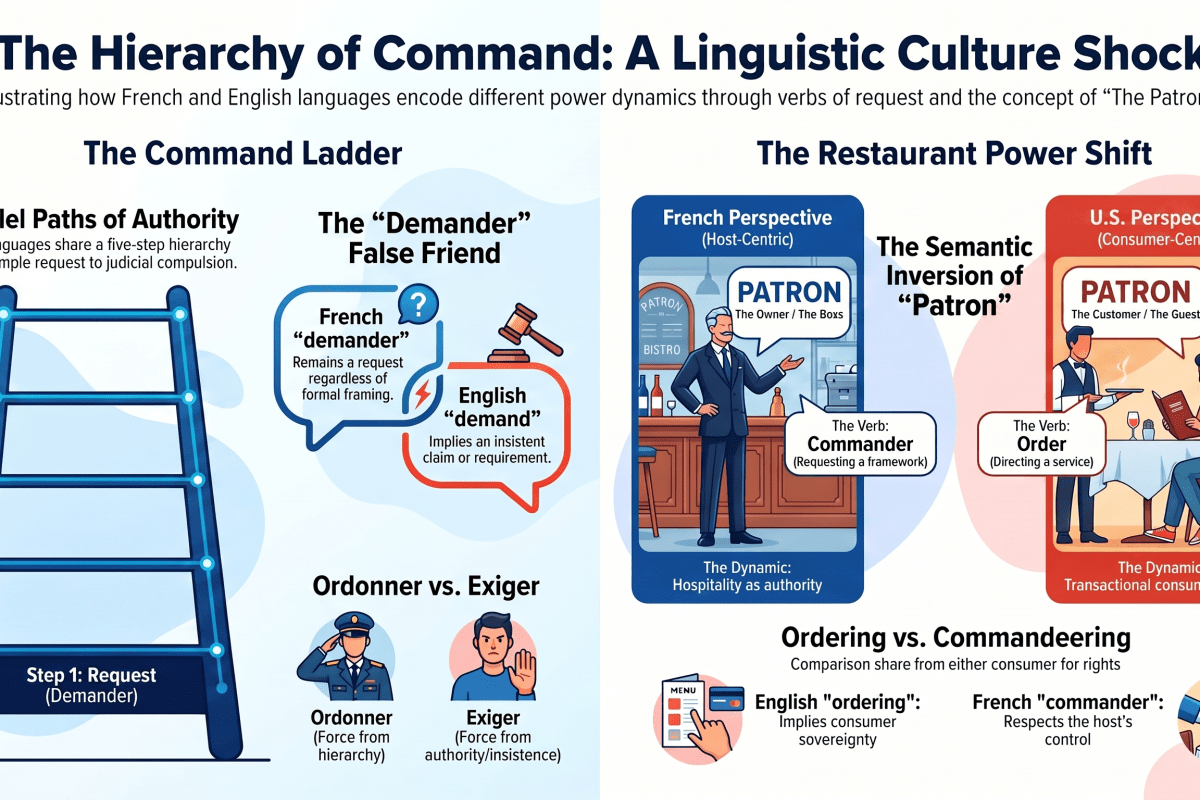
Demander means to ask, not to demand, though an English speaker might notice that demanding is simply an elevated asking. Which raises the question: is there an elevated version of demander in French? It turns out there is – a whole ladder of them.
In English: to ask → to demand → to order → to command → to enjoin. In French: demander → exiger → ordonner → commander → enjoindre.
(Enjoin, for those who’ve only met it in legal documents, is the formal instrument of judicial compulsion – to enjoin someone is to prohibit or require by court order. It earns its place at the top of the ladder.)
I won’t get into the full nuances of each term. I’ll leave that to a linguist. But the false friend problem is worth pursuing, because it’s more interesting than a simple mismatch.
The trouble isn’t just that demander ≠ ‘demand’ etymologically. It’s that the English word ‘demand’ smuggles in a force condition that French distributes across different verbs depending on the source of that force. Exiger implies force from authority, entitlement, or insistence. Ordonner implies force from hierarchy – a command structure in which compliance is not optional. Demander, however formally framed, remains a request. English ‘demand’ collapses all of this into one word and leaves the source of force unspecified.
This becomes vivid with examples. A judge doesn’t demander; the authority relationship forecloses the mere-request reading entirely. Exiger captures the illocutionary force; this demand is backed by institutional power, and non-compliance has consequences. But a judicial order in English sits closer to ordonner than exiger; the court doesn’t merely insist, it commands with legal effect. And a military general? Ordonner again – unilateral, hierarchical, non-negotiable.
This brings us to restaurants, where things get strange. In English, customers order. The same verb a general uses. What gives?
Polysemy is the easy answer, but the cultural one is more interesting. The French model is closer to hospitality in the older sense – the restaurateur is the host, the diner is a guest, and the dynamic carries an implicit asymmetry in which the host has authority over the experience. One eats what is offered, at the pace the kitchen sets; complaining loudly is a breach of the guest’s role rather than an exercise of consumer rights. Commander fits this – one places a request within a framework that the host controls.
The American model inverts this. The customer is sovereign, the staff are in service to the customer’s preferences, and the transactional frame licenses a kind of authority that would read as rudeness in France. ‘Order’ in the American restaurant sense carries just enough of the command register to be revealing; you’re not asking, you’re directing.
This makes the English verb choice quietly ideological in a way the French isn’t. Commander is neutral about the power dynamic. English ‘order’ encodes the American consumer-as-patron assumption right into the lexicon.
And the word, patron, is almost too good to leave alone. In French, le patron is the boss, the owner, the one with authority. In American English, the patron is the customer. The semantic inversion is almost too neat to be coincidental. It maps the entire cultural difference onto a single word: in France, the restaurateur is the patron; in America, the diner is. When the two meet – a tête-à-tête between rival patrons – culture shock is the predictable result.
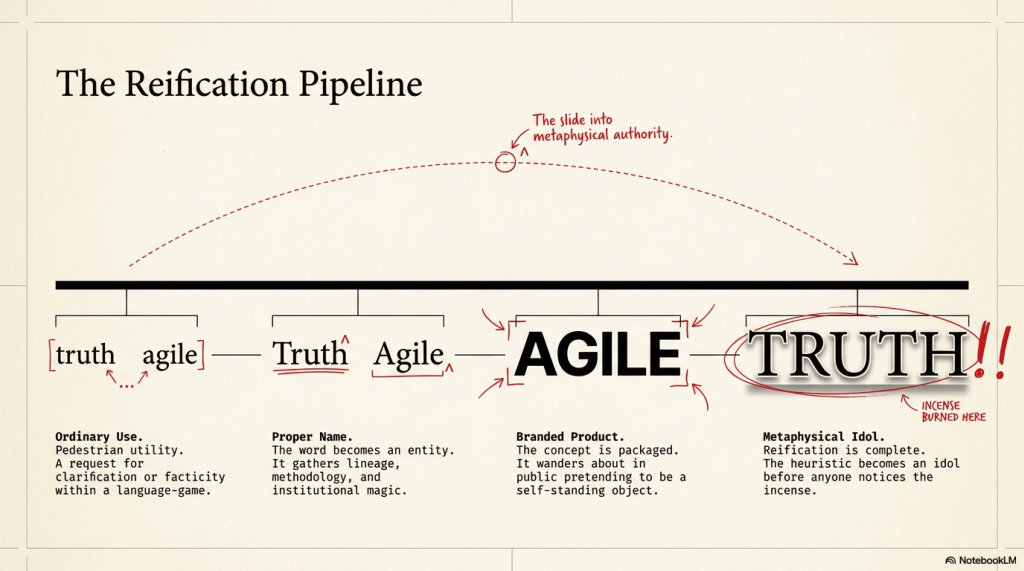
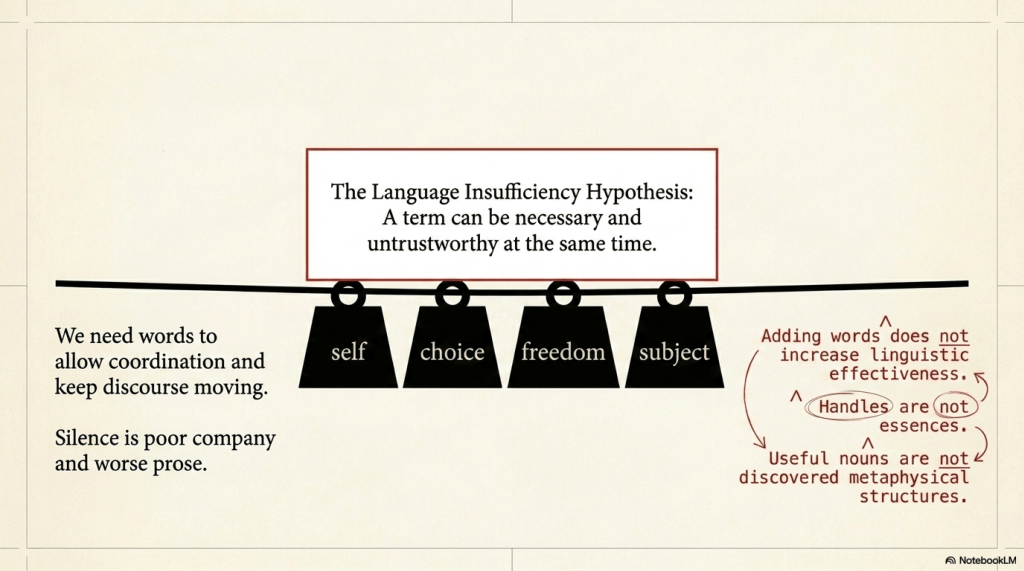
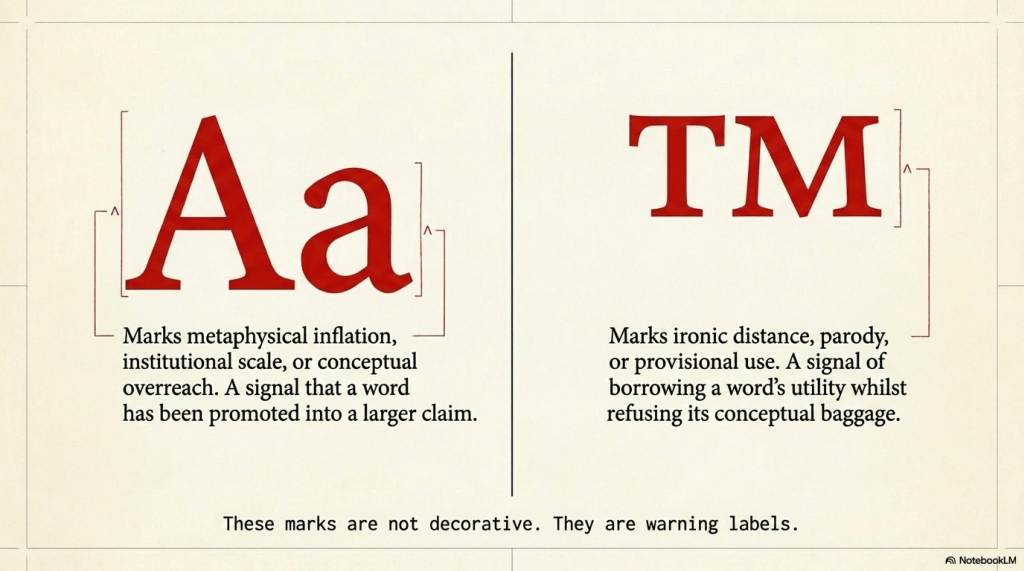
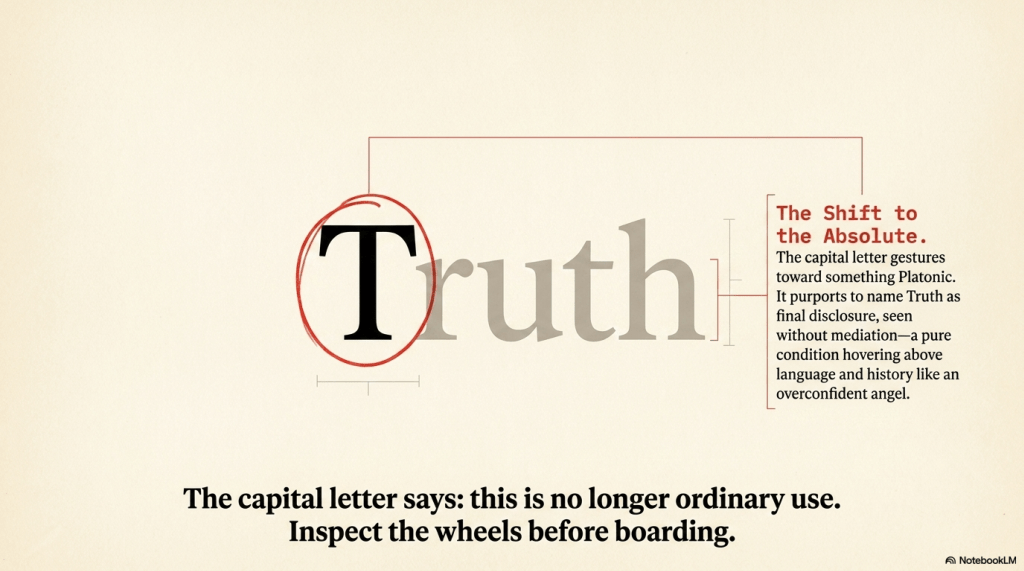
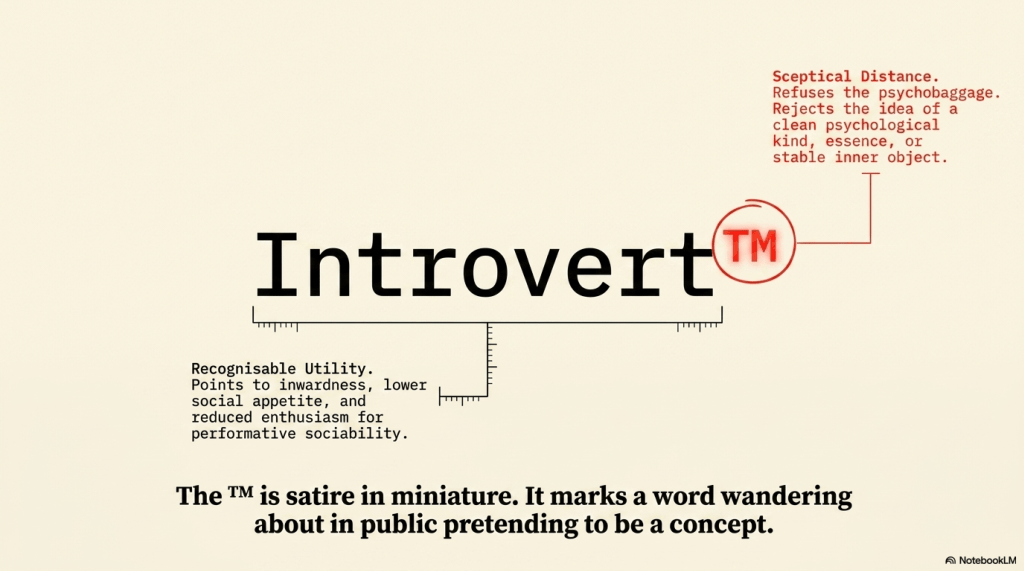
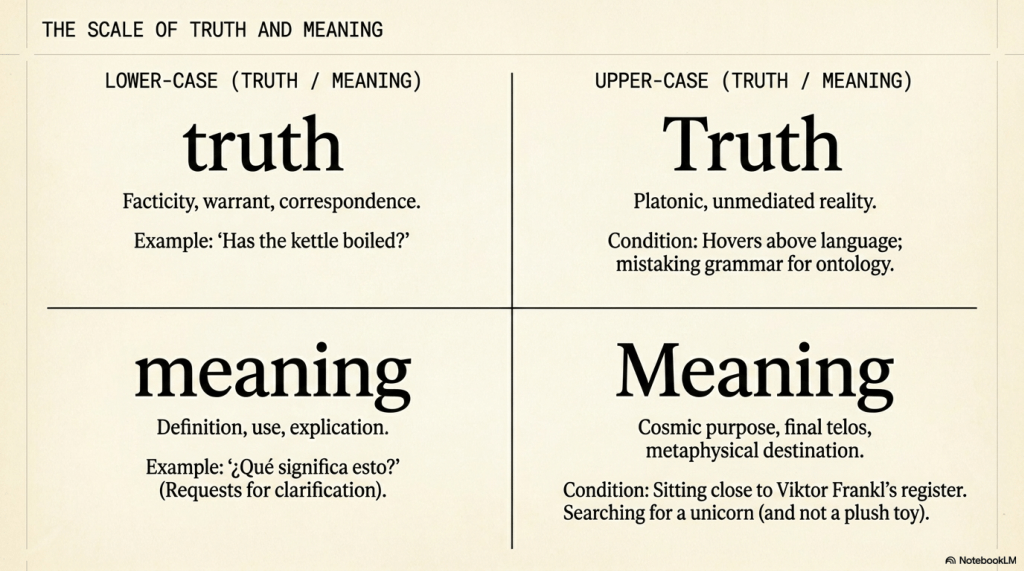
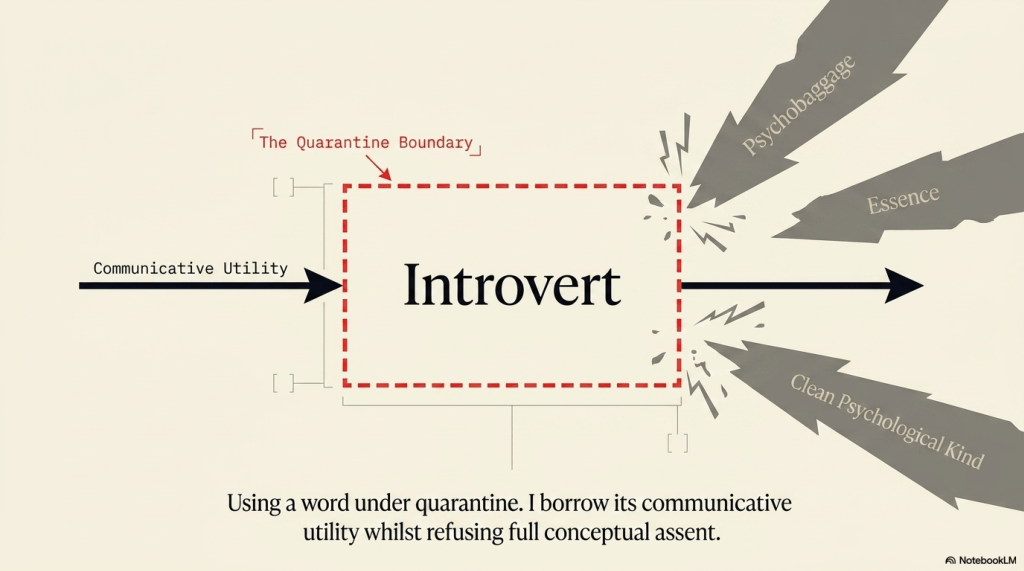
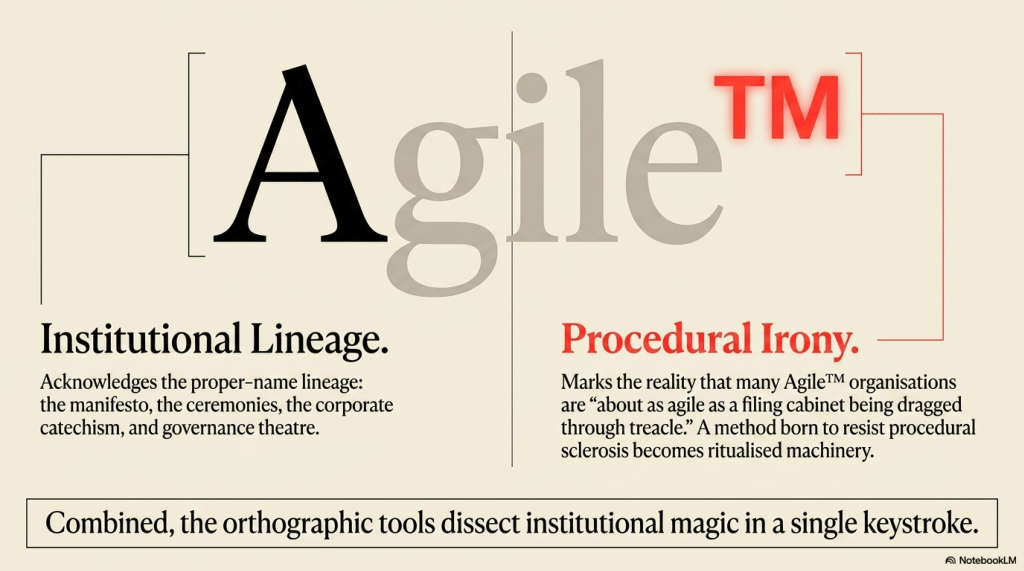
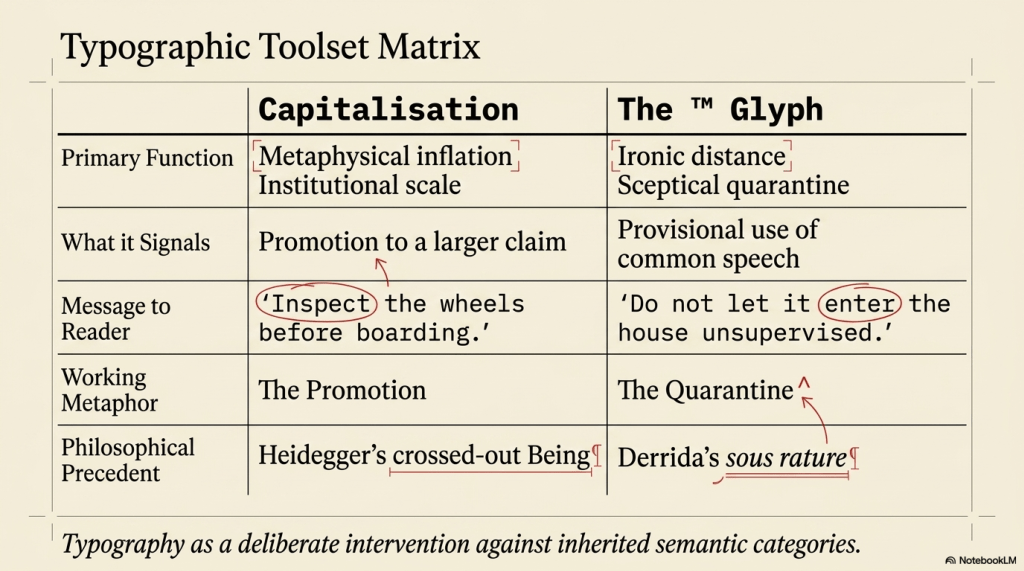
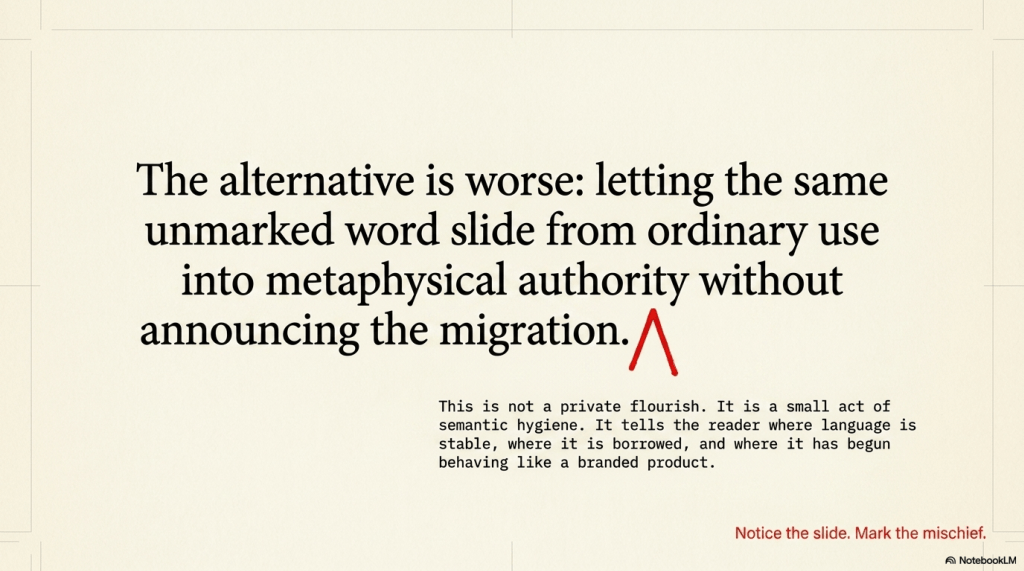
I have an orthographic habit, perhaps merely a private convention, though I rather suspect all conventions begin this way before someone gives them a Latin name and a committee. I use typography to signal when a word is doing more than pedestrian language ordinarily admits.
On Heidegger, and the rook that was always, secretly, a bishop
Imagine, if you will, that you are playing chess with a grandmaster. Your opponent fingers his rook, slides it diagonally across the board, captures your queen and lifts the piece away. Nonplussed, you question the tactic. He defends it with vehemence.
For most of my posts, I also share a summary processed by Google’s NotebookLM. Most of these summaries are decent enough – some are even excellent inasmuch as they shed a new light on the idea. Other times, they miss the point, are well off the mark, or inject concepts or translations, not only unintended, but markedly opposed to the point being made.
My recent Chess with Heidegger post is illustrative. Both the podcast and the video make errors – and I don’t mean the visual ones that occur as well.
As a page footer, I mention that I use LLMs as part of my workflow. This may be anywhere from 0–99%. The podcast asserted that I used an LLM as a significant part of this project. This is incorrect. Specifically, I didn’t feed Heidegger’s text into an LLM and ask it to digest and regurgitate it, parsing out some unlocked wisdom. Obviously, I used various LLMs for supporting content.
The video misrepresented my point about Wittgenstein, directionally off. He expressly does not support the specificity of language. My reference to him rolling over in his grave was triggered by the notion that language is determined by use – and language games.