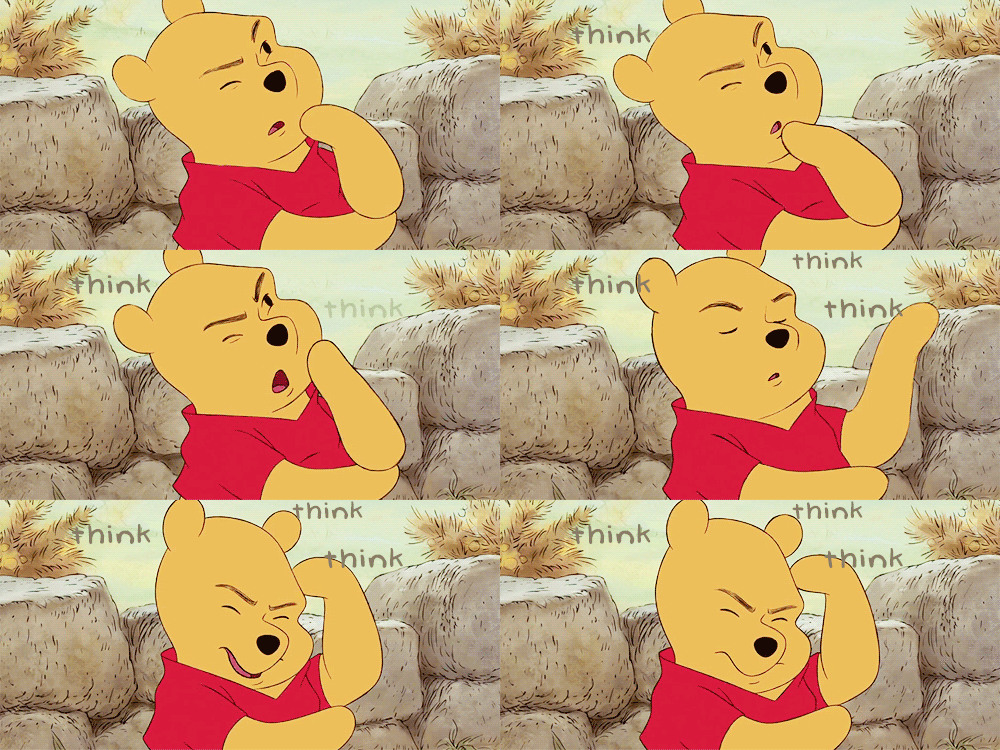
Have you ever wondered why Winnie the Pooh sounds faintly ridiculous in French?*
No? Just me then. Settle in.
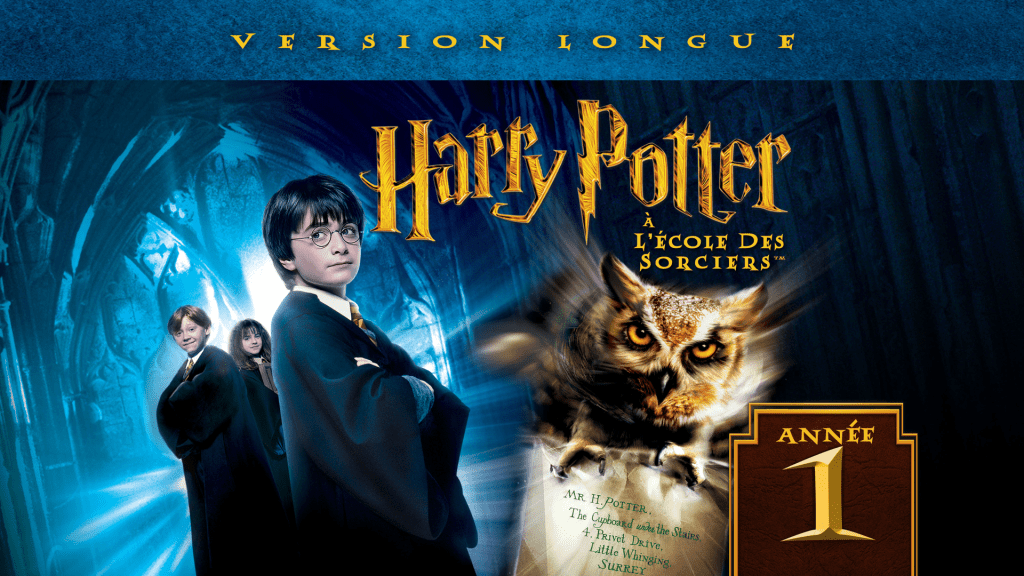
« Mr et Mrs Dursley, qui habitaient au 4, Privet Drive, avaient toujours affirmé avec la plus grande fierté qu’ils étaient parfaitement normaux, merci pour eux. Jamais quiconque n’aurait imaginé qu’ils puissent se trouver impliqués dans quoi que ce soit d’étrange ou de mystérieux. Ils n’avaient pas de temps à perdre avec des sornettes. »
I recently acquired Harry Potter à l’École des Sorciers, and I found myself unexpectedly arrested by the opening paragraph. The Dursleys, we are told, were parfaitement normaux, merci pour eux – ‘Perfectly normal, thank you very much’. Except the French does something slightly different – the merci pour eux tips the narratorial mockery just a fraction more toward open contempt than Rowling’s original, which keeps its disdain politely implicit. It’s a small thing, but telling.
This brings us back to Pooh as an exercise not only in a language insufficiency, but also a lesson in how meaning is still lost outside of the words of language.
The French translation of Winnie-the-Pooh is a perfectly competent piece of work. It conveys the plot, translated verbatim. Honey is still honey, miel. Piglet remains small and anxious, which is presumably universal. And yet something has gone definitively missing – specifically, the thing that makes Pooh Pooh. That voice. That particular brand of amiable, bumbling, upper-class English vagueness that signals, to anyone raised in the relevant tradition, a whole social type: the loveable aristocratic dimwit, defanged and harmless, too intellectually untroubled to be threatening. Bertie Wooster** with stuffing.
In my case, the experience was audible rather than merely inferred. I encountered Pooh not on the page but watching on screen with my daughter so many years ago, but where the French dubbing lands over the original animation like a category error made flesh, but not quite so bad as an old Godzilla dub. The Hundred Acre Wood remains constant – le miel, the anxious Piglet, the blustering Eeyore – providing a kind of control condition. What varies is the voice. And hearing a French Pooh is hearing, with uncomfortable precision, exactly what has gone missing, because the original signal is still ghosting underneath the translation. The bumbling posh vagueness, the hesitations, the particular music of English aristocratic dimness – all of it evaporated, replaced by something perfectly serviceable and entirely wrong. It is, if you’ll forgive the term, a controlled experiment in loss. The mismatch isn’t inferred from the page. It’s heard. Which is either wonderfully appropriate or deeply ironic for an essay about what language can’t carry. Probably both.
So, what’s the problem? Alors, French doesn’t have this type. It has the libertin – decadent, cynical, not remotely cuddly. It has the pompous bourgeois. What it conspicuously lacks is the post-Victorian English settlement in which the aristocracy became safe to find charming rather than necessary to behead. Pooh requires a specific historical precondition that France declined to provide, for understandable reasons involving the 1790s.
We may know Inspector Clouseau, the bumbling French idiot. Except Clouseau is an English fantasy of French incompetence, essentially invented by Peter Sellers and Blake Edwards. The French didn’t make that joke about themselves. It was made for them, which is rather a different thing, and arguably confirms the point. So much for bears. What about a more serious case of translational vertigo?
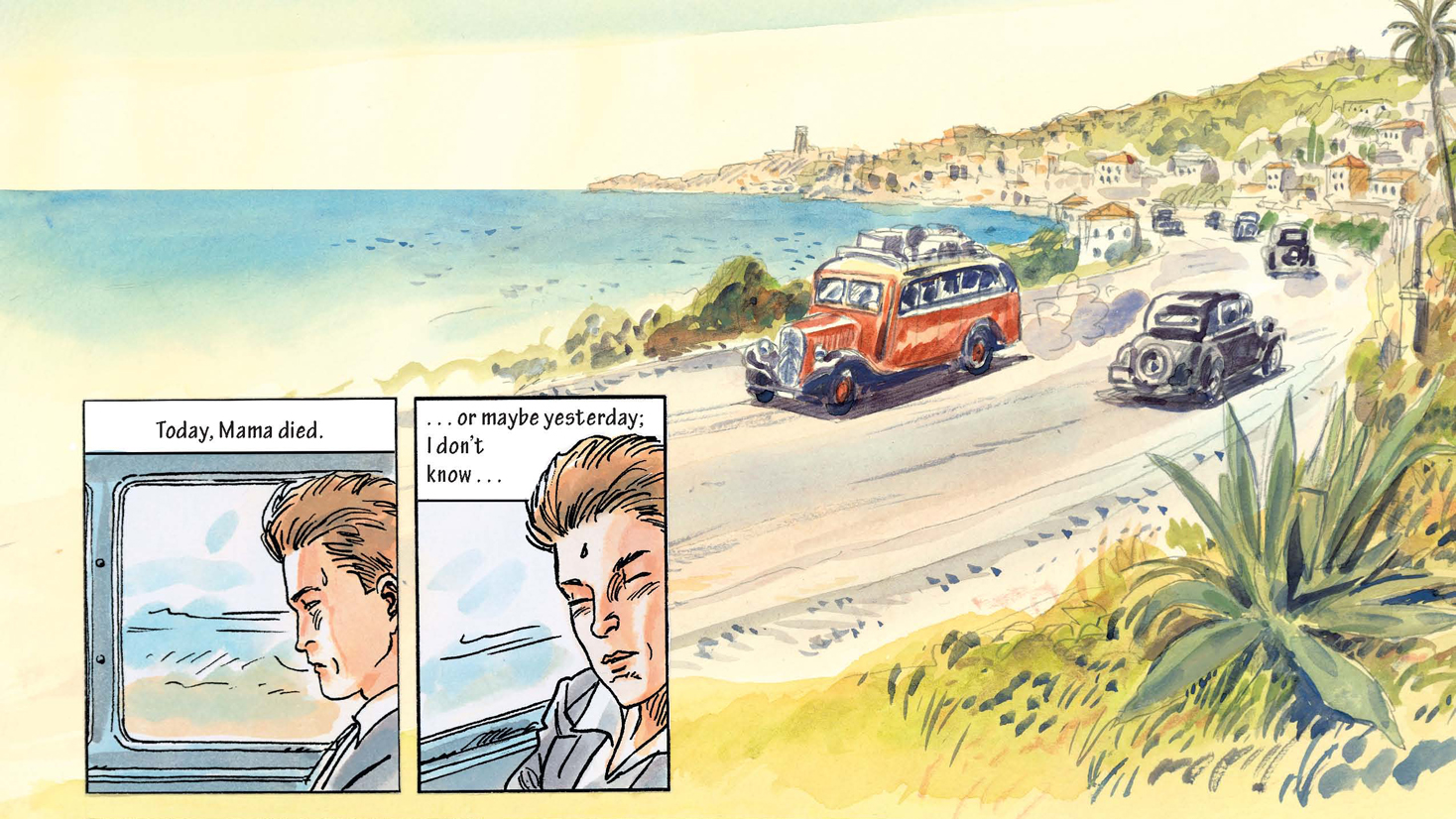
« Maman est morte. » The famous opening words of Camus’ L’Étranger – and one of the most analysed sentences in twentieth-century literature, with good reason. Every English translation is already weak tea. It doesn’t carry the English class freight, the faint infantilism, the drawing-room associations. It sits in an affective middle ground that English can’t occupy, somewhere between intimacy and distance, which is precisely where Meursault himself lives. The ambiguity about whether he feels anything – the philosophical core of the entire novel – hinges on a word the target language cannot render. Every translator has to decide, and all fail because English fails to accommodate. This colours Meursault, who I’ve described elsewhere as autistic in principle if not in practise. Without going down a rabbit hole, read The Stranger in this light, and you’ll see systematic abuse of an autist – a textbook neurodivergent – instead of a clueless protagonist.
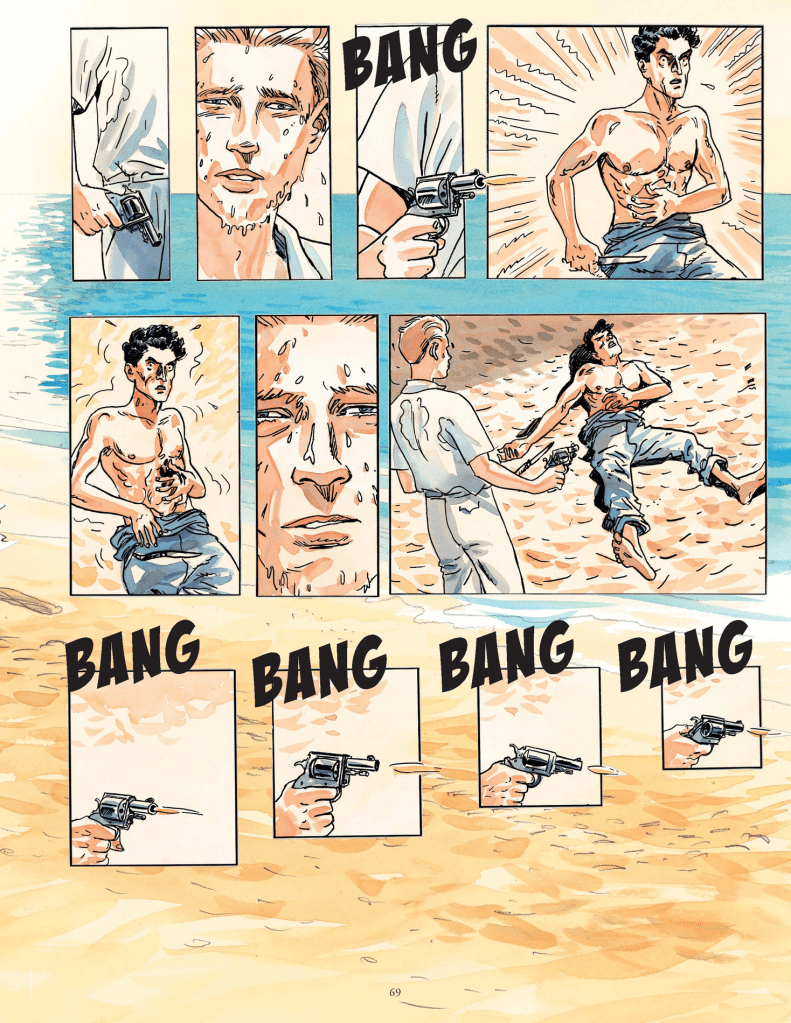
These examples tighten the philosophical screws at each turn. Pooh is charming and sociological. The Dursleys are technically interesting. Meursault, existential.
But there’s the uncomfortable conclusion they collectively point toward: translation failure is merely the most visible symptom of a much deeper condition. Language was already lossy before one introduces a second language as an additional compression stage. The register, the tone, the class coding, the cultural memory, the sheer music of Pooh’s voice – none of this was ever in the text. It was the environment, in the air or water around the text, in the shared form of life that allows certain performances to land and others to fall silently into the void.
whereof one cannot speak, thereof one must be silent
Wittgenstein said that whereof one cannot speak, thereof one must be silent. He was right and characteristically unhelpful. Because we can’t speak of most of it – the embodied, gestural, socially-saturated ground on which language rests – and yet it’s doing at least half the communicative work, possibly more.
Barthes reminds us that the author is dead. Derrida might have told you there’s no escaping the text, that the instability runs all the way down, that speech is already writing in the relevant sense. He’s not exactly wrong but he’s diagnosing a different condition – the internal slipperiness of signs, rather than the gap between the linguistic and the everything-else. The argument here is less that meaning defers endlessly within language, and more that language was always an approximation of something richer and irreducibly situated. There was never quite enough text to escape from.
What this means is that translation isn’t a solved problem awaiting better tools. It’s a hard limit on what language can carry – a reminder that when Pooh speaks, what you’re actually hearing is a century of English class history, a specific post-Victorian emotional settlement, and a cultural permission to find a certain kind of helpless gentleness charming rather than contemptible.
Or, as Andy Rooney might have put it: Did you ever notice that words don’t quite say what you mean?
* My best Andy Rooney tribute.
** Bertie Wooster, of PD Wodehouse’s Jeeves & Wooster fame.



 Philosophics