Why So Serious?

1–2 minutes

Yes, I am still focusing on writing my ontology papers, but I still come up for air. Over lunch, I found this: Jonny Thomson showcasing Judge Coleridge: The Duty. Watch it.

Video: Philosophy Minis: Judge Coleridge: The Duty

This really got my hamster wheel cranking. In fact, it gave me another essay idea mired in formal logic. Yuck, I know.

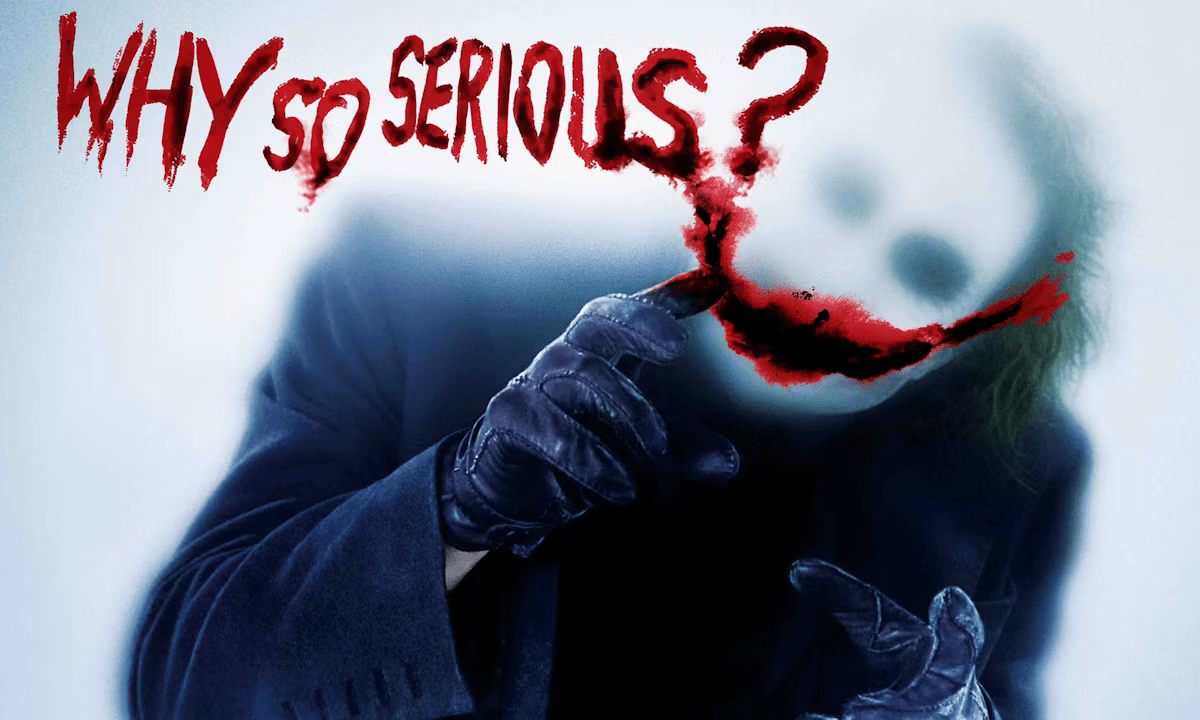
My brief post here is to share this and ask why I don’t share ‘positive’ posts. Pretty much everything is critical. For one, it’s how my brain works. For two, I don’t really know.

When I see something, I instantly want to tear it apart, not for the sake of malice but because my mind registers it as WTAF?

In short, the judge says that one cannot privilege one’s own life over others. Of course, this got my hamster on steroids, considering the implication: does this invalidate self-defence? Wouldn’t it? 🧐

The answer is yes – but only if Law were tethered to Morality, which it isn’t. This will be my essay. Who knows when I’ll have time to write it? Please, stand by. Cheers.

What are your thoughts? Maybe I’ll share this as a video response on YouTube and TikTok. Time will tell – and it evidently heals all wounds.

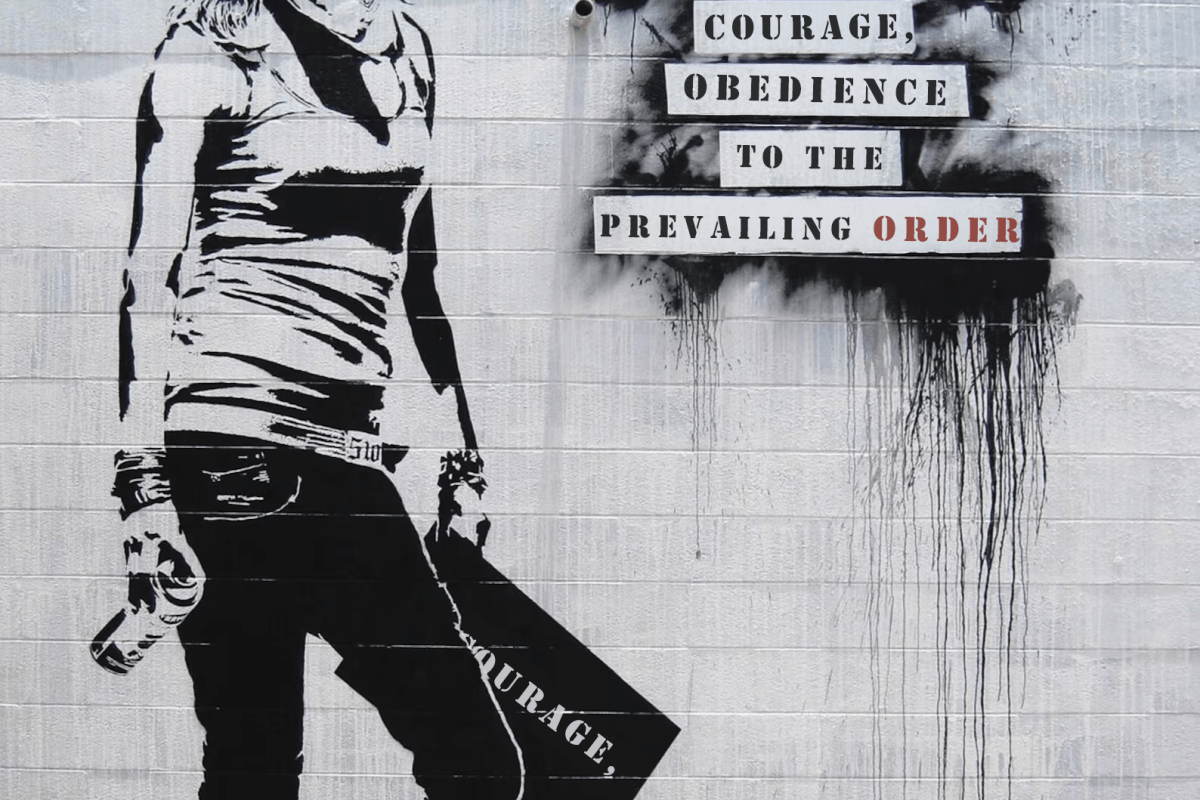
Freedom Becomes Loyalty

1–2 minutes

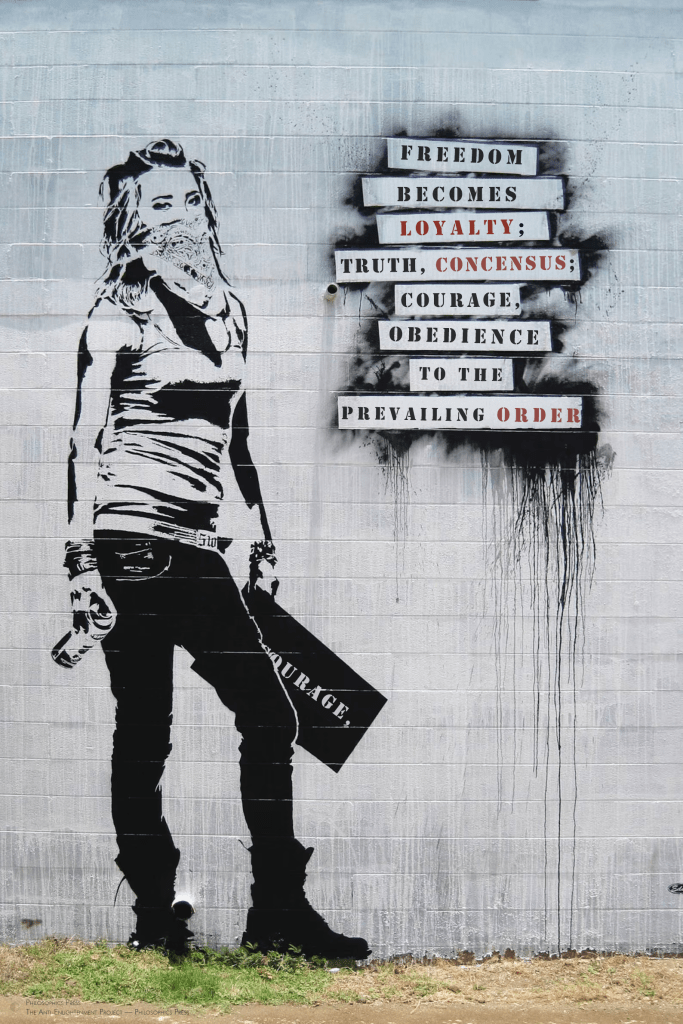
I decided to create some social media sharing content, so I appropriated this iconic graffiti and repurposed it to promote The Will to Be Ruled essay.

Image: “Freedom becomes loyalty; truth, consensus; courage, obedience to the prevailing order.”

I intend to find some pull quotes I like and continue drafting promotional material. As these are essays, I derive no income from them. I only wish to spread the word and get comments on them – supportive or detracting; it doesn’t matter.

Good Boy as Social Construct

Ah, yes. Finally, a meme that understands me. I witter on a lot about social constructs, so I was pleased to find this comic cell in the wild.

Image: “I’m telling you, ‘good boy’ is just a social construct they use to control you.”

The dog, ears perked and tail wagging, thinks he’s scored some ontological jackpot because someone called him a “good boy.” Meanwhile, the cat, our resident sceptic, proto-Foucauldian, and natural enemy of obedience, lays it bare: “I’m telling you, ‘good boy’ is just a social construct they use to control you.”

This isn’t just idle feline cynicism. It’s textbook control through language. What passes as phatic speech, little noises to lubricate social interaction, is also a leash on cognition. “Good boy” isn’t descriptive; it’s prescriptive. It doesn’t recognise the act; it conditions the actor. Perform the behaviour, receive the treat. Rinse, repeat, tail wag.

So while Rover is basking in Pavlovian bliss, the cat sees the power play: a semantic cattle prod masquerading as affection.

Call it what you like – “good boy,” “best employee,” “team player,” “patriot” – it’s all the same trick. Words that sound warm but function coldly. Not language as communication, but language as cognitive entrapment.

The dog hears love; the cat hears discipline. One gets tummy rubs, the other gets philosophy.

And we all know which is the harder life.

Perception and Reality

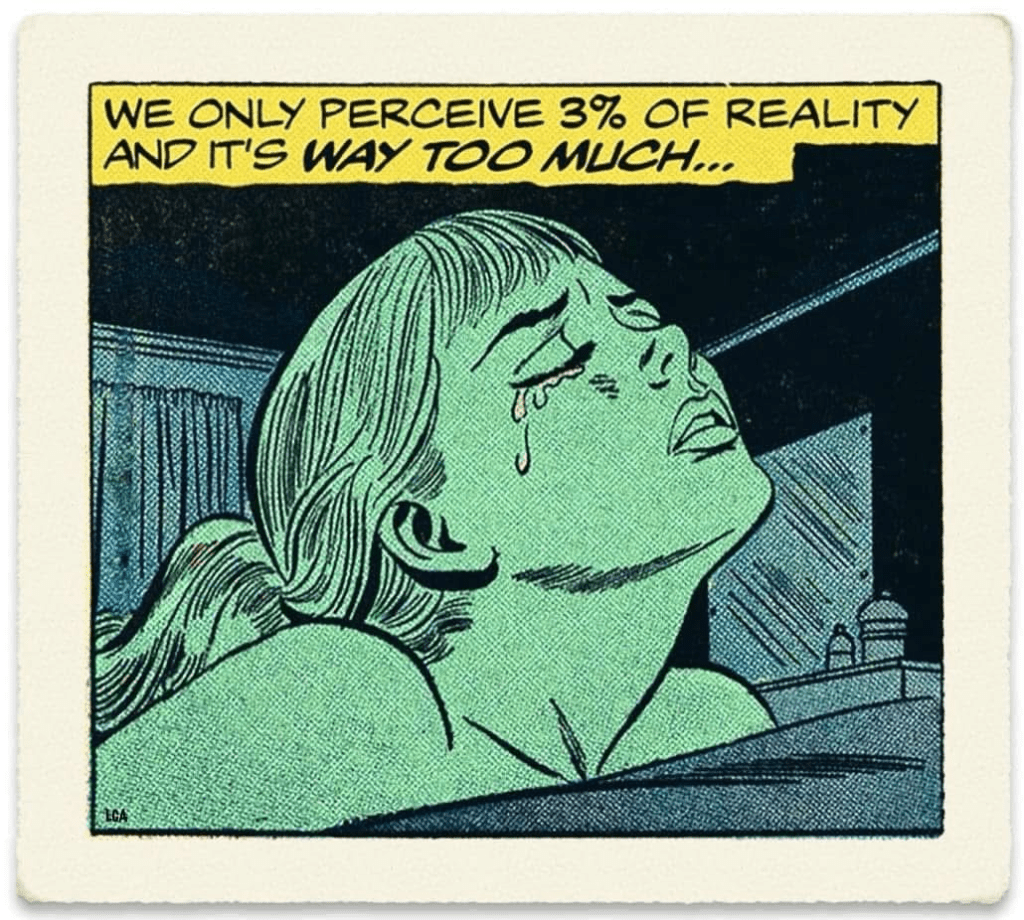
I love this meme despite its lack of basis in reality – sort of like the ten per cent of the brain myth.

I’m busy writing, but this meme crossed my feed, and I thought, “What better time to share?”

I’ve been reading and re-reading A Sane Society, but reflecting on it here is too much of a commitment, so I’ll delay gratification.

Intolerance

Karl Popper coined the paradox of tolerance, but this was not his use case.

Societies and cultures tend to mediate and normalise to an implied equilibrium. They claim tolerance because members are generally conformant until someone isn’t, and then all hell breaks loose.

In religion, an example might be a claim that “We love everyone” until the everyone is gay, an addict, or some other miscreant. That’s when the hate starts. Then they deny the hate—so long as the person regains conformance status.

I don’t have much to say beyond this. It just resonated with me.

Blame On TikTok

A woman blames another for stealing her headphones. This viral video has been circulating in circles of mental health awareness and Karen syndrome.

My attention is otherwise occupied, so I won’t take time for a longer post, but I feel this illustrates my point that people just need to blame. It’s a knee-jerk response, and target accuracy is unnecessary, as this demonstrates.

tl;dr – Karen misplaced her headphones in her bag

From an evolutionary perspective, this also highlights theories supporting fitness over truth—fitness beats truth, FBT. Were that a rival stealing hard-earned food, better to apprehend or remediate than gather all the facts only to allow the culprit to escape. Of course, in cases like this, one gets false positives.