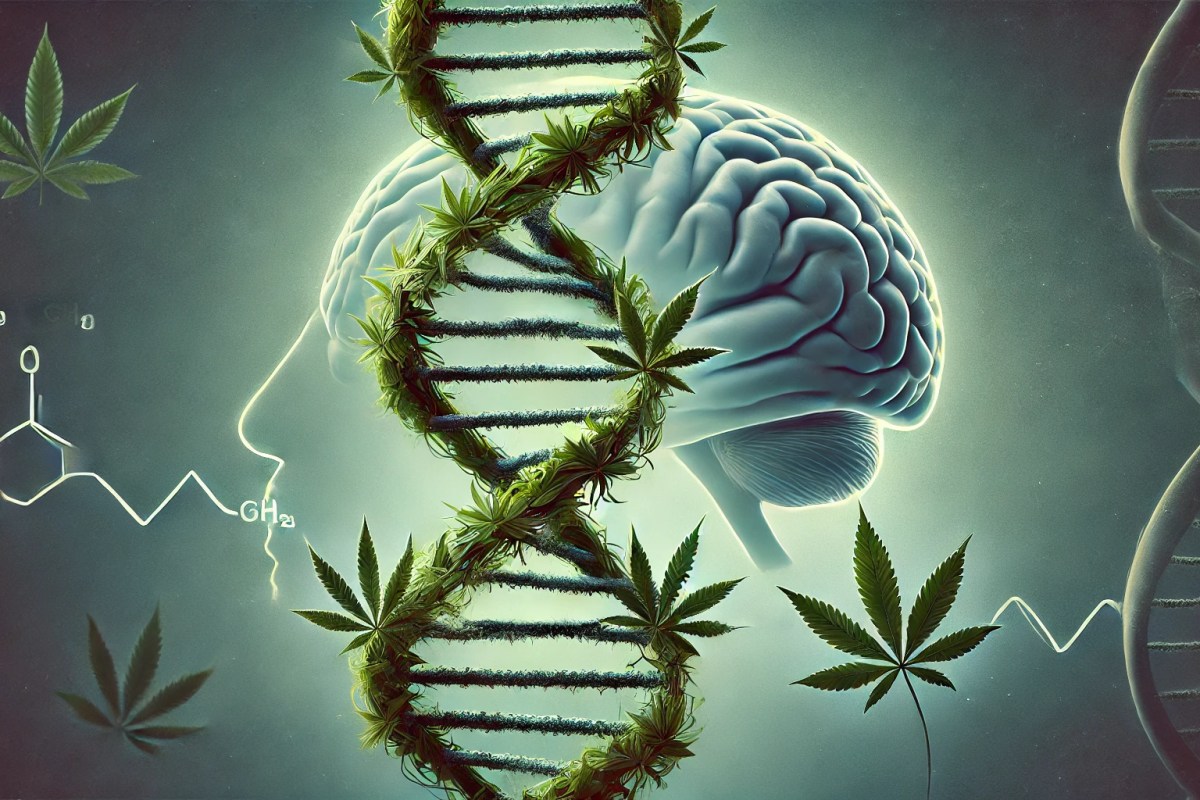
A study on genetics and cannabis found a connexion between marijuana use and genetic states. The study claimed to be looking for epigenetic effects and although there were some correlations, the directions of causality haven’t been determined.
Recent research has delved into the complex interplay between genetics and cannabis use, revealing intriguing correlations but leaving some critical questions unanswered. A recent study aimed to uncover the epigenetic effects of marijuana use, suggesting a link between genetic states and cannabis consumption. Whilst the findings offer some fascinating insights, they also highlight the ambiguity surrounding causality.
The Genetic Link
The study in question sought to explore whether cannabis use might influence genetic expression or, conversely, whether genetic predispositions could affect an individual’s likelihood of using marijuana. The results indicated some noteworthy correlations between cannabis use and certain genetic states, yet they fell short of clarifying the direction of causality. In other words, the research raises important questions but doesn’t definitively answer whether cannabis use leads to changes in genetic expression or if genetic predispositions increase the likelihood of cannabis use.
Cannabis and Schizophrenia: A Complicated Relationship
One of the most contentious aspects of the study is its implications for understanding the relationship between cannabis use and schizophrenia. The association between the two has been a subject of ongoing debate, with some evidence suggesting a connection. However, the study’s findings underscore the complexity of this relationship. It remains unclear whether cannabis use contributes to the development of schizophrenia or if individuals with a predisposition to schizophrenia are more likely to use cannabis.
The ambiguity stems from the fact that whilst correlations exist, they do not establish a clear cause-and-effect relationship. Schizophrenia is a multifactorial disorder, influenced by a combination of genetic, environmental, and neurobiological factors. Cannabis use might interact with these factors, but pinning down the exact nature of this interaction remains elusive.
What’s Next?
This study serves as a reminder of the challenges inherent in unraveling the connections between genetics and behaviour. It highlights the need for further research to elucidate the causal pathways and better understand how genetic predispositions and environmental factors like cannabis use interact. Until then, while correlations provide valuable insights, they are insufficient to draw definitive conclusions about causality.
As research progresses, it’s crucial to approach these findings with a nuanced perspective, recognising that the relationship between cannabis, genetics, and mental health is complex and multifaceted. Continued exploration in this area will hopefully shed more light on these intricate connections and help guide future investigations.
 Philosophics