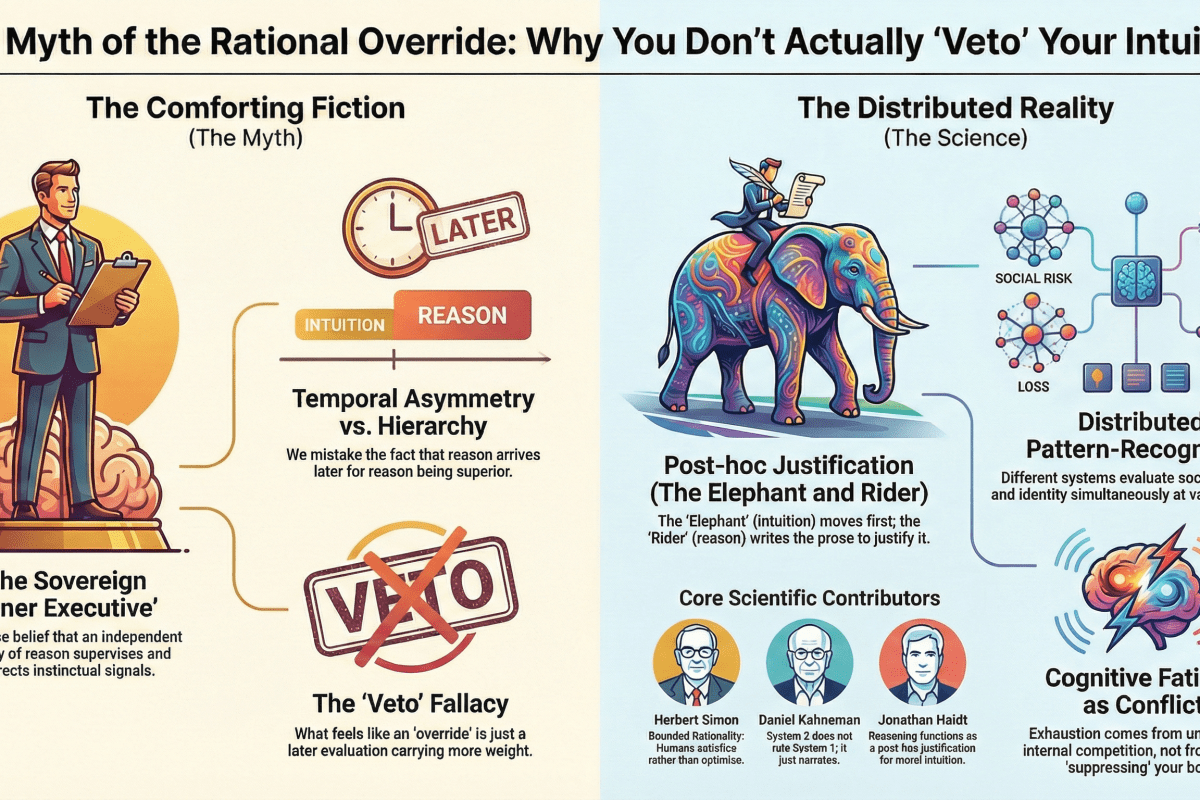
Je m’accuse. I find myself bickering on social media again. Zut, alors! Unfortunately, I struck a nerve with otherwise unidentified Adam. He may believe that I need to be right; rather, I’d like to help him not be wrong – presuming there are such states. In a post, Adam makes an assertion that one can override one’s, let’s call it, intuition. He ends with:
👉 Just don’t silence the most experienced pattern-reader in the room and call it maturity.
💭 What decision are you defending right now that your body already vetoed?
I feel that we are on the same page, or I wouldn’t bother to engage. The point I want to make with this blog article is that one does not override or veto one’s body. You rationalise what your body tells you to do. Just be careful with your language and how you frame it.
On why “reason defeating intuition” is a comforting fiction
There is a familiar story we tell about decision-making: First, the body speaks. A tightening. A lurch. A sense of foreboding or pull.
Then, reason arrives late, clipboard in hand, issuing corrective instructions:
- ‘Be rational’
- ‘Sleep on it’
- ‘Run the numbers’
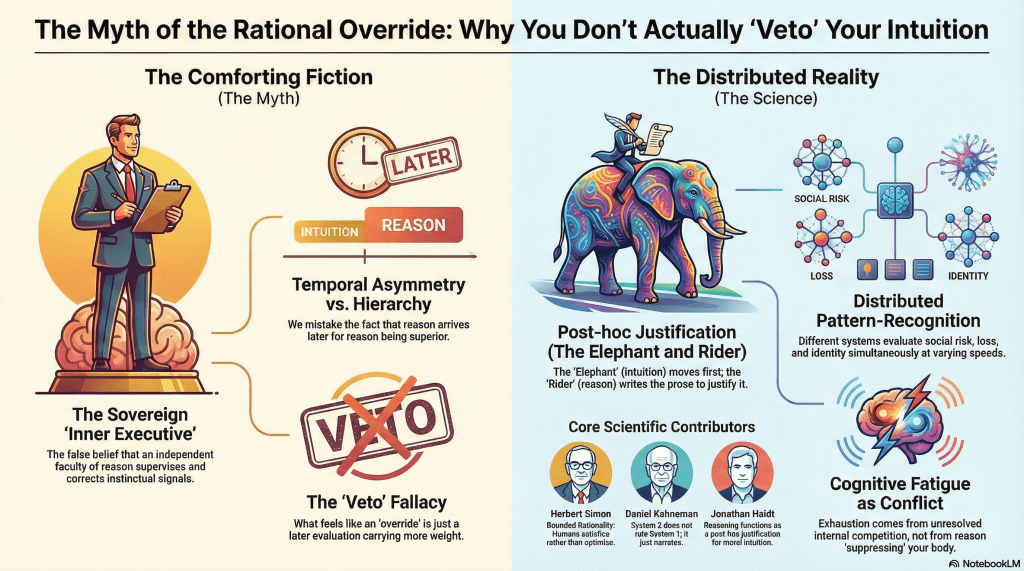
When things go badly, we narrate the failure like this: I knew. But I overruled it. This story feels true. It is also almost certainly wrong. Not morally wrong. Not introspectively dishonest. Conceptually wrong.
The experiential mistake
Let’s grant the phenomenology immediately. People routinely report that:
- A decision felt wrong before it was articulated.
- The articulation came later.
- The eventual outcome carried an unmistakable sense of fatigue or dissonance.
- Retrospectively, they say: I ignored the signal.
That experience is real. The inference drawn from it is not.
What the experience shows is temporal asymmetry, not architectural hierarchy. One process surfaces earlier than another. That does not mean a later process overruled it.
It means you are narrating a system whose operations are largely opaque to itself.
What the science actually killed decades ago
The idea that ‘reason’ steps in as a distinct, supervisory faculty that overrides intuition is not merely unproven. It is historically obsolete.
It belongs to the same conceptual family as:
- The rational actor
- The detached chooser
- The inner executive standing above cognition
That family did not survive the twentieth century.
There is no independent referee.
Start with Herbert Simon, who dismantled the fantasy of global optimisation with bounded rationality. Human decision-making does not survey option-spaces and then choose. It satisficies under constraint. There is no god’s-eye view from which “reason” could intervene.
Move to Daniel Kahneman and Amos Tversky, who made it painfully clear that what we call reasoning is deeply entangled with heuristics, framing effects, and affective weighting. System 2 does not rule System 1. It just writes better prose.
Add Thomas Sowell, whose critique of unconstrained rationalism was never about feelings versus facts, but about the fantasy of an overseeing mind unbound by trade-offs.
Or George Lakoff, who quietly erased the idea that political or moral reasoning could ever be disembodied in the first place.
Or Jonathan Haidt, who showed that moral reasoning overwhelmingly functions as post-hoc justification. The elephant moves. The rider explains.
Or Joshua Greene, whose dual-process models still do not resurrect a sovereign rational self. They show competition, not command.
Or Kurt Gray, whose work on moral perception demonstrates that what we experience as “judgment” is already structured before conscious deliberation enters the scene.
Across these literatures, one conclusion recurs with tedious consistency: There is no independent referee.
Why the “override” story feels so compelling
If reason does not overrule intuition, why does it feel like it does?
Because what you experience as “override” is competition between pre-reflective evaluations, not a coup staged by rationality.
Different subsystems evaluate:
- social risk
- loss exposure
- identity coherence
- narrative defensibility
- anticipated regret
Whichever configuration wins becomes the decision. The explanation comes later. Calling that explanation “reason” flatters us. It also confuses sequence with sovereignty. When someone says, ‘I ignored my intuition’, what they usually mean is:
A later-arriving evaluation carried more weight than an earlier one, and I disliked the downstream cost.
That is not an override. That is the outcome.
Exhaustion is not evidence of rational domination
There is a popular add-on to the override story:
We override intuition, and that’s why we’re exhausted.
Again, the fatigue is real. The diagnosis is not. Cognitive fatigue does not indicate that reason heroically suppressed instinct. It indicates conflict resolution under uncertainty without stable convergence.
When multiple evaluative systems fail to cohere cleanly, the result is:
- prolonged rumination
- narrative patching
- justificatory rehearsal
- defensive rationalisation
That is tiring. Not because reason triumphed, but because coherence never fully arrived.
The real mistake
The mistake is not ‘trusting the body’ or ‘listening to reason’. The mistake is re-importing a discredited architecture because the introspection sounds nice.
You do not have:
- intuition vs reason
- signal vs override
- body vs mind
- elephant vs rider with veto power
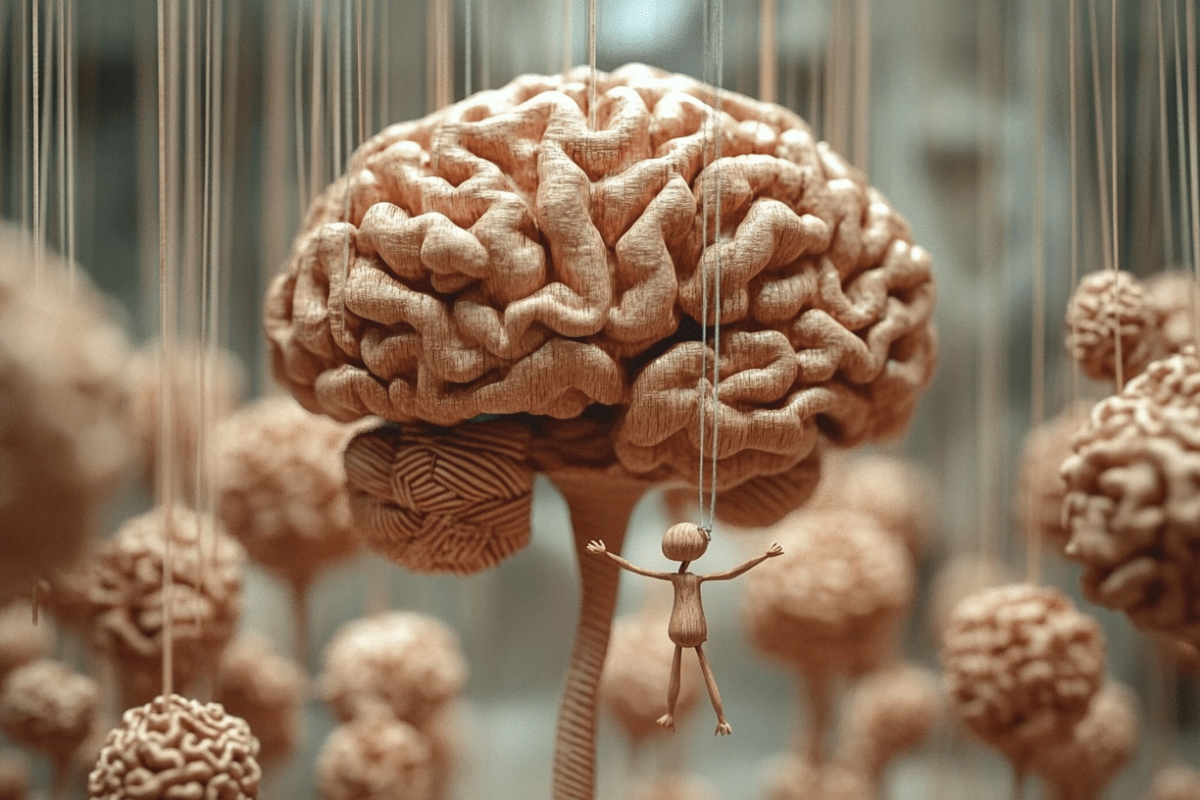
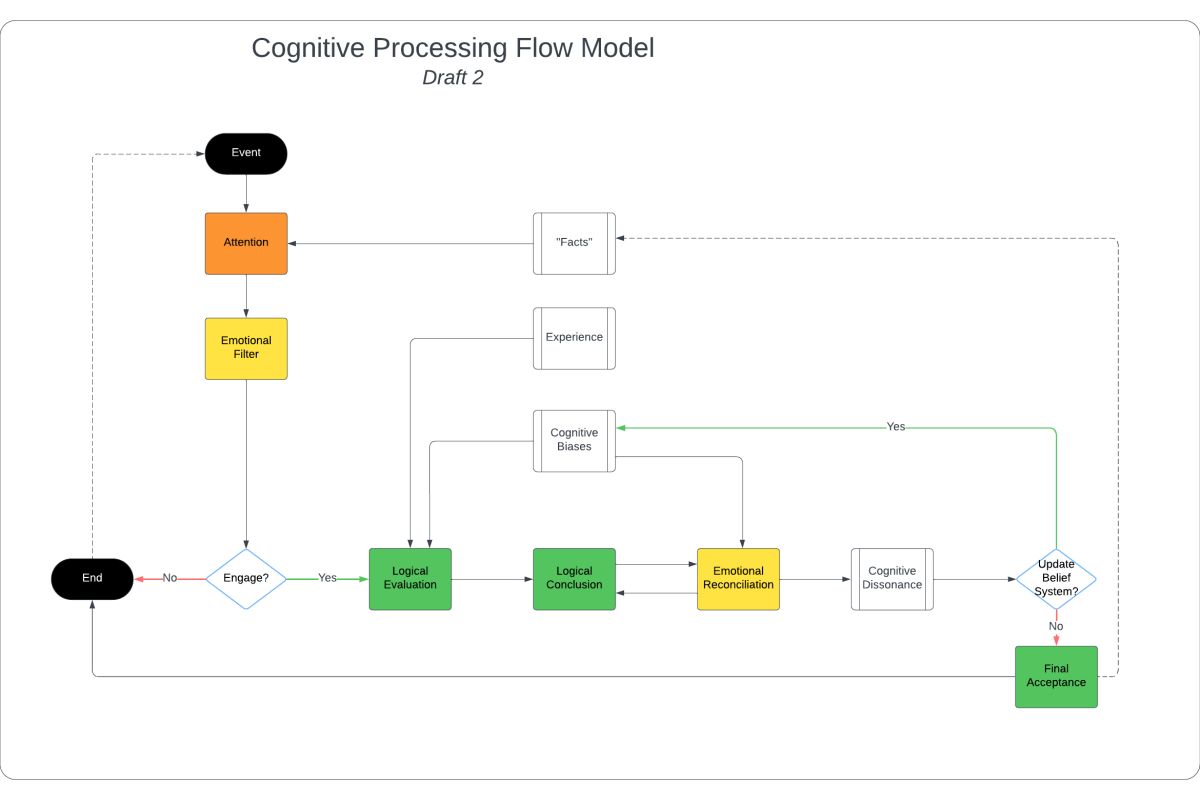
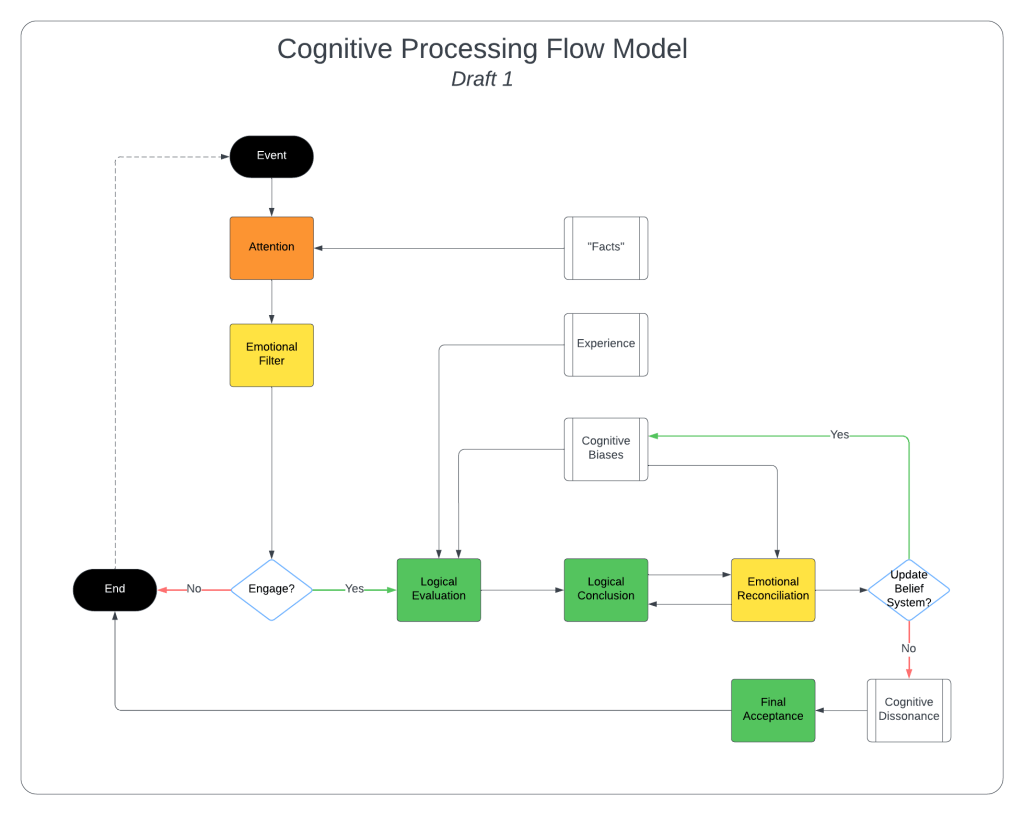
You have distributed pattern-recognition systems, operating at different speeds, with different representational affordances, producing outputs that consciousness stitches into a story after the fact. The story is useful. It is not causal.
What is worth noticing
There is something worth salvaging from the original intuition-first narrative, once it’s stripped of myth.
Early signals matter not because they are purer or wiser, but because they encode long-trained pattern sensitivity that may never become fully articulate.
Ignoring them does not mean you “chose reason.”
It means another pattern won.
And sometimes that pattern is worse.
Not because it was rational.
Because it was legible, defensible, or socially safer.
No resurrection required
None of this requires reviving the rational chooser, the sovereign self, or Homo economicus with a new haircut. The work is already done. The literature is settled. The corpse stays buried. What remains is learning to live without the comforting fiction that someone, somewhere inside you, was supposed to be in charge. That absence is not immaturity. It is the condition under which decisions actually occur. And pretending otherwise only gives the clipboard another imaginary promotion.

 Philosophics