Effective Mob Rule: Better Voters and Avoiding Mistakes of  the Jim Crow Era

I continue the AutoCrit review of my latest book project, Democracy: The Grand Illusion. In this chapter, I look at why direct democracy is not offered on a large scale even in the advent of digital technologies and the internet that might make this possible.

Synopsis

The text delves into the debate between direct democracy and representative democracy, exploring the perspectives of philosophers Jason Brennan and David Moscrop on enhancing voter competence within democratic systems. It discusses the challenges and ethical implications of implementing an “epistocracy” proposed by Brennan, where voting power is based on knowledge and competence. In contrast, Moscrop advocates for improving civic literacy to empower all citizens in making informed political decisions. The text also addresses the principle-agent problem in democracy and draws parallels with historical injustices like those from the Jim Crow era.

The opening introduces the contentious nature of direct democracy at a large scale and sets up the discussion around different approaches to enhancing democratic outcomes. The conclusion emphasizes learning from past mistakes, promoting inclusivity, transparency, and equity in improving voter competence for a more effective democratic process.

Audience

The target audience for this text would likely be scholars, policymakers, students of political science or philosophy, as well as individuals interested in democratic theory and governance issues. Those not inclined towards academic or theoretical discussions may find this text too dense or specialized. To make it more relevant to a broader audience, the author could simplify complex concepts using more accessible language without compromising depth or nuance.

Structure and Organisation

The text follows a logical order by first presenting contrasting views on direct vs representative democracy before delving into specific proposals by Brennan and Moscrop. Each section builds upon previous arguments cohesively without significant structural issues evident.

Tone

The tone is analytical yet critical at times when discussing potential ethical concerns related to proposed solutions but remains objective overall rather than emotive.

Interest & Engagement

While engaging for those interested in political theory debates, some sections discussing intricate philosophical concepts may risk losing general readers’ attention due to their complexity. To improve engagement levels throughout all audiences can benefit from clearer real-world examples illustrating abstract theories discussed within practical contexts

Final Thoughts & Conclusions

The final thoughts tie together key ideas introduced throughout the text effectively while emphasizing lessons learned from history regarding disenfranchisement tactics during periods like Jim Crow laws—creating a strong concluding statement that resonates with earlier discussions about inclusive solutions toward an effective democratic process.

Clarity

Overall, the author’s points are presented clearly; however, some sections contain complex sentence structures that might hinder comprehension for readers unfamiliar with philosophical or political terminology. For instance:

  • “…it harkens back to the Jim Crow era…” – This reference may require additional context for clarity.
    Providing brief explanations or examples alongside such references could enhance reader understanding.

Commentary

I’ve added a footnote to explain Jim Crow laws to uninformed readers, especially those educated outside of the United States of America.

Argument & Persuasion

Opinions presented include advocating for enhanced voter competence through epistocracy (Brennan) versus civic education (Moscrop). The strengths lie in logically constructing these contrasting viewpoints backed by historical contexts like Jim Crow laws; however further empirical evidence supporting these proposals would strengthen their persuasiveness.

  1. Rational Ignorance: The text presents the opinion that voters choose not to become well-informed due to the perceived insignificance of a single vote, introducing the concept of rational ignorance. This argument is logically constructed and supported by reasoning based on individual voter behaviour and the impact of collective voting outcomes.
  2. Populism and Demagoguery: The text argues that populist leaders exploit emotions, fears, and prejudices for support, potentially leading to policies against the populace’s best interests. This viewpoint is effectively presented with examples and explanations demonstrating how emotional manipulation can influence political decisions.
  3. Arrow’s Impossibility Theorem: The text discusses Arrow’s theorem, highlighting inherent flaws in voting systems that struggle to accurately reflect individual preferences in collective decisions without encountering issues like inconsistency or dictatorship. This argument is well-supported with a logical explanation of the challenges involved in creating a perfect voting system.
  4. Tyranny of the Majority: It is argued that majority rule in pure democracies can lead to the oppression of minority rights due to potential tyranny by the majority group. This perspective is persuasively presented through historical context and theoretical analysis illustrating how democratic systems may fail to protect minority groups from majority dominance.
  5. Policy Incoherence: The text suggests that democratically elected governments may implement inconsistent policies influenced by changing voter preferences and political pressures, leading to inefficiency and instability. This argument is supported by examples showing how frequent policy changes can disrupt governance effectiveness.

6 & 7. Influence of Money/Media & Voter Apathy/Low Turnout: These sections highlight how money influences politics through campaign financing while media shapes public opinion impacting electoral outcomes; they also discuss voter disengagement contributing to low turnout questioning election legitimacy which are supported by real-world instances reflecting challenges within democratic processes.

8 & 9. Complexity/Global Issues & Polarisation/Gridlock: These segments address modern governance complexities requiring technical expertise alongside global issues necessitating international solutions; they also delve into partisan polarisation causing legislative gridlock hindering effective policymaking which are logically constructed arguments backed up with relevant evidence.

10. Historical/Contemporary Examples: Lastly, this section explores failures in democracy using historical contexts such as the Weimar Republic or recent backsliding cases showcasing instances where democratic systems have regressed toward authoritarianism or anarchy providing substantial evidence supporting these assertions.

Interest and Engagement

The text presents a diverse range of topics within the realm of political science and democratic theory, offering valuable insights into various challenges and complexities associated with democratic governance. However, the engagement level may vary across different sections.

  1. Rational Ignorance: The concept of rational ignorance introduced by Downs is intriguing as it sheds light on voter behaviour in democracies. While the idea itself is thought-provoking, the presentation could potentially be enhanced by providing real-world examples or case studies to illustrate how this phenomenon manifests in practice.
  2. Populism and Demagoguery: The discussion on emotional manipulation and short-term focus in populism is particularly engaging due to its relevance in contemporary politics. To further captivate the audience, linking these concepts to recent populist movements or leaders could make the content more relatable and impactful.
  3. Arrow’s Impossibility Theorem: Arrow’s theorem delves into complex voting systems, which might challenge some readers’ attention spans. To maintain engagement, simplifying the explanation through analogies or visual aids could aid comprehension without sacrificing depth.
  4. Tyranny of the Majority: Tocqueville’s exploration of minority rights underlines crucial aspects of democracy but may risk losing reader interest due to historical context dating back to 1835. Connecting these ideas to present-day scenarios where minority rights are at stake can bridge relevance gaps for modern audiences.

5 & 6. Policy Incoherence & Influence of Money/Media: These sections touch upon critical issues like policy consistency and external influences on democracy; however, they might benefit from concise summaries or bullet points to streamline key takeaways for readers seeking practical implications rather than theoretical discussions alone.

7 – 10. Voter Apathy/Low Turnout; Complexity of Modern Governance; Polarisation/Gridlock; Historical/Contemporary Examples: These segments cover broad themes that resonate with current democratic challenges but may require a balance between depth and accessibility for varied reader interests. Incorporating anecdotes or anecdotes from diverse global contexts can enrich these discussions while maintaining reader engagement.

In conclusion, while each section contributes significantly to understanding democratic processes’ intricacies, enhancing engagement through relatable examples, visual aids where applicable, and balancing complexity with clarity would likely elevate audience interest throughout the text.

Final Thoughts and Conclusions

The text does not explicitly provide a section labelled “Final Thoughts and Conclusions,” but it effectively ties together the various points and ideas introduced throughout the different sections. Each segment contributes to a comprehensive exploration of challenges within democratic systems, from voter apathy to policy incoherence, media influence, governance complexity, and polarisation. While there may not be a traditional concluding section summarizing these discussions explicitly, the interconnected nature of the topics covered helps form a cohesive narrative that highlights critical issues facing modern democracies. The absence of an explicit final thoughts section is compensated by the seamless integration and synthesis of diverse perspectives presented in the text.


References and Supporting Materials

Primary Text

Moscrop, D. (2019). Too Dumb for Democracy? Why We Make Bad Political Decisions and How We Can Make Better Ones. Goose Lane Editions.

Analytical Works

Brennan, J. (2016). Against Democracy. Princeton University Press.

Kahneman, D. (2011). Thinking, Fast and Slow. Farrar, Straus and Giroux.

Foucault, M. (1977). Discipline and Punish: The Birth of the Prison. Vintage Books.

Case Studies and Examples

Fung, A., & Wright, E. O. (2003). Deepening Democracy: Institutional Innovations in Empowered Participatory Governance. Verso.

Gastil, J., & Levine, P. (Eds.). (2005). The Deliberative Democracy Handbook: Strategies for Effective Civic Engagement in the Twenty-First Century. Jossey-Bass.

Nyhan, B., & Reifler, J. (2010). “When Corrections Fail: The Persistence of Political Misperceptions.” Political Behavior, 32(2), 303-330.


AutoCrit is an AI-based editorial application. I am a member of their affiliate programme, so I gain minor financial benefits at no cost to you if you purchase through a link on this page.
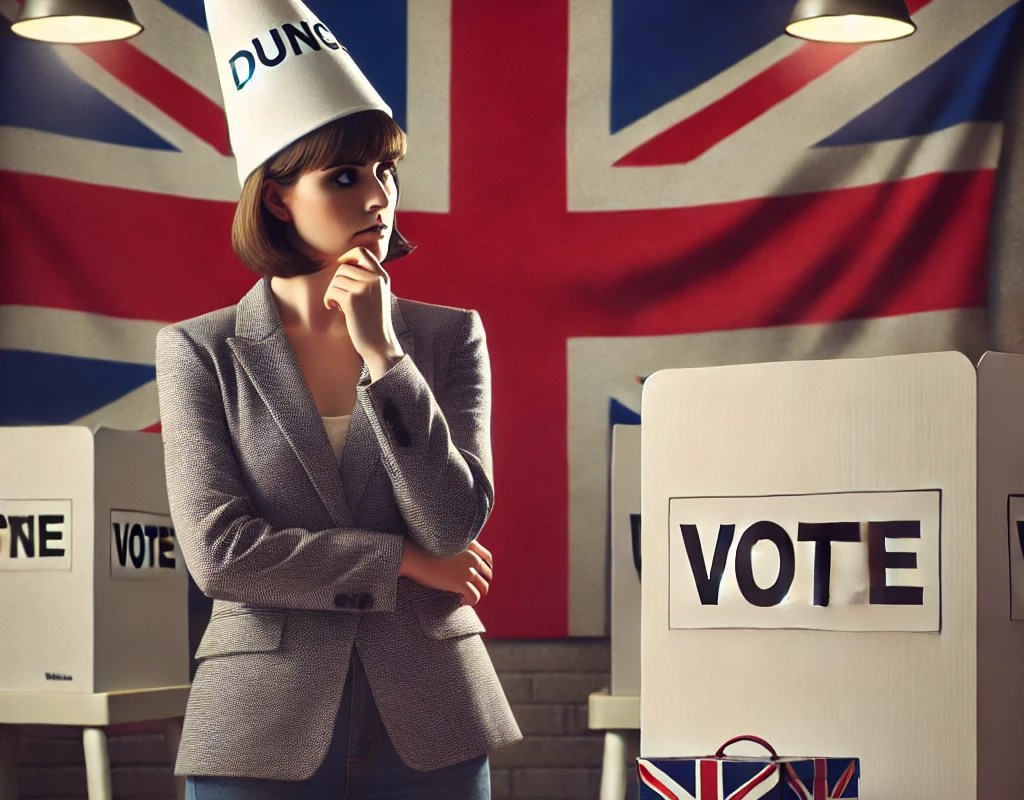
Are We Too Dumb for Democracy?

I continue my AutoCrit analysis of the chapter that asks, “Are we too dumb for democracy?” I’m inclined to think, in general, the answer is yes, but I investigate several opposing voices and suggestions for mitigation. Here’s the editorial analysis of the work in process.

Synopsis

The text explores David Moscrop’s book Are We Too Dumb for Democracy? which delves into the capacity of voters to make informed political decisions. Moscrop argues that while voters may face cognitive limitations and biases, they can overcome these through education, information, and systemic reforms. He emphasizes the importance of enhancing political literacy, implementing institutional changes like deliberative democracy practices, and increasing public engagement to improve democratic decision-making.

The text opens by posing the question of whether individuals are capable of making sound political choices in a democratic system. It introduces Moscrop’s perspective on addressing cognitive biases and providing tools for voters to make rational decisions. The closing highlights the necessity of actively engaging in efforts to enhance political literacy, implement reforms, and foster public participation to create a more informed electorate.

Structure and Organisation

The text follows a logical order by introducing Moscrop’s core arguments on voter cognition challenges before discussing his proposed solutions. It is well-organized with clear headings outlining key points within each section.

Clarity

Overall clarity is maintained throughout the text; however some complex terms like “temporal myopia” might require further explanation for readers unfamiliar with psychological concepts related to decision-making biases.

Audience

The target audience for this text includes policymakers, educators, scholars interested in democracy studies, and engaged citizens seeking insights into improving democratic processes. Those not likely part of the target audience could be individuals uninterested in politics or those already well-versed in theories on voter behaviour. To make it more relevant to its target audience, Moscrop could provide more practical examples or case studies illustrating the successful implementation of his proposed solutions.

Commentary

AutoCrit goes off the reservation and confuses my content with Moscrop’s. If you are interested in hearing Moscrop’s position, he did a TEDx talk on the topic in June 2018.

Tone

The tone is analytical yet engaging as it critically examines voter behaviour without being overly pessimistic about democracy’s future prospects.

Interest and Engagement

While most sections are engaging due to their relevance in today’s political climate, areas discussing educational effectiveness or feasibility issues with deliberative democracy practices could potentially lose reader interest. To improve engagement levels here, Moscrop could incorporate real-world examples demonstrating how these methods have been successfully implemented elsewhere.

Commentary

Again, AutoCrit goes off the reservation and conflates my content with Moscrop’s. My goal is not to regurgitate his book. Obtain his book if you want to read examples.

Argument and Persuasion

Moscrop presents opinions supporting the idea that voters can overcome cognitive limitations through education and institutional reforms effectively. The persuasive elements are strong as he provides evidence from research studies and offers practical solutions backed by scholarly works such as Kahneman’s “Thinking Fast And Slow.”

Final Thoughts and Conclusions

The text effectively concludes with a comprehensive summary of David Moscrop’s arguments on the cognitive limitations of voters and potential solutions to enhance democratic decision-making. It ties together key points discussed throughout the analysis, emphasizing the importance of addressing these issues for the effective functioning of democratic systems. The call to action encourages active engagement from policymakers, educators, and citizens in efforts to improve political literacy, implement institutional reforms, and promote public participation. Overall, the conclusion is clear, strong, and satisfying, and serves as a fitting end to the exploration of Moscrop’s work.


References and Supporting Materials

Primary Text

Moscrop, D. (2019). Too Dumb for Democracy? Why We Make Bad Political Decisions and How We Can Make Better Ones. Goose Lane Editions.

Analytical Works

Brennan, J. (2016). Against Democracy. Princeton University Press.

Kahneman, D. (2011). Thinking, Fast and Slow. Farrar, Straus and Giroux.

Foucault, M. (1977). Discipline and Punish: The Birth of the Prison. Vintage Books.

Case Studies and Examples

Fung, A., & Wright, E. O. (2003). Deepening Democracy: Institutional Innovations in Empowered Participatory Governance. Verso.

Gastil, J., & Levine, P. (Eds.). (2005). The Deliberative Democracy Handbook: Strategies for Effective Civic Engagement in the Twenty-First Century. Jossey-Bass.

Nyhan, B., & Reifler, J. (2010). “When Corrections Fail: The Persistence of Political Misperceptions.” Political Behavior, 32(2), 303-330.


AutoCrit is an AI-based editorial application. I am a member of their affiliate programme, so I gain minor financial benefits at no cost to you if you purchase through a link on this page.

Dumocracy

I’m working on a new book—if by new I mean reengaging a book I started in 2022. I’m picking up where I left off with fresh eyes. As I’ve not had time to contribute much to this blog, I thought I’d share the preface as a work in progress. I may share additional subsections over time. Feel free to share any feedback in the comments section.

Preface

“The first step to recovery is to admit there’s a problem.” – Anonymous

Introduction

Imagine a world where the foundation of our governance, the system we hold as the pinnacle of fairness and equality, is fundamentally flawed. What if the mechanisms we trust to represent our voices are inherently incapable of delivering the justice and prosperity we seek? This book embarks on a provocative journey to challenge the sanctity of democracy, not with the intent to undermine its value but to question its effectiveness and expose the inherent limitations that have been overlooked for centuries.

This book is meant to be inclusive, though not necessarily comprehensive. Although focused heavily on a Western experience, particularly the United States, the insights and critiques apply globally.

Democracy feels like an anachronism awaiting a paradigm shift. As a product of the Enlightenment Age, democracy has been sacrosanct in the Western world for centuries. However, a quick glance at current results reveals dissonance. Not all is well. Despite typical defences such as entrenched political parties, low-information voters, rural-urban divides, gerrymandering, and illegal voting, this book sets out to show that democracy is fundamentally flawed. It doesn’t even work well on paper, almost inevitably yielding suboptimal results. When people are added to the equation, it just gets worse.

In this book, we’ll discuss inherent challenges to democracy. The main premises are:

  • In theory, democracy is not mathematically tenable. It always leads to suboptimal solutions with mediocre results. [1]
  • In practice, human nature and cognitive limitations exacerbate the execution of democracy from the perspective of voters and representatives. [2]

We’ll explore democracy from its beginnings and various forms across time, history, scale, and scope. We’ll investigate the impacts of imperfect information, human rationalities, emotional triggers, and cognitive limitations and biases of the general populace. We’ll survey the continents and look at ancient Mesopotamia, India, the Polynesian islands, and beyond.

This book aims to spark critical thinking and dialogue about the efficacy of democracy, encouraging readers to question widely held assumptions and consider the need for potential reforms or alternative governance models. Through this examination, the book hopes to inspire new ideas and solutions that can address the complexities and challenges inherent in democratic systems.


[1] Arrow, 1951; Sen, 1970

[2] Kahneman, 2011; Tversky & Kahneman, 1974

Criminal Conservatism

A few years ago, I shared with a colleague that I had noticed that my high school classmates who seemed to be the most non-conformist (or perhaps the most anti-authoritarian), the ones most likely to have abused drugs and alcohol and most likely to criticise the Man, have by and large become extremely conservative on the political spectrum. Most are card-carrying Republicans, and dreaded low-information voters, continuing the trend of low-information acquisition and processing. He said that he had noticed a similar trend.

I still keep in contact with some some old mates who are Conservative Republicans, but who were high-information consumers then and still, so I am not saying that all Conservatives are low-information people.

A man who is not a Liberal at sixteen has no heart; a man who is not a Conservative at sixty has no head.

—Benjamin Disraeli (Misattributed)

The past couple of years, in a sort of nod to Bukowski, I’ve been researching or circulating among the underbelly of the United States, the veritable dalit-class comprised of drug dealers and users, pimps, prostitutes, and thieves. And I’ve noticed the same trend. These people might fear or hate the police and the system, and they may not vote or even be high-information seekers, but they seem to have a marked propensity to Conservatism. I admit that this is anecdotal and rife with confirmation bias, but this is my observation.

To broad brush any group into some monolith is always a fools errand and missing dimensional nuance, but the general direction holds. In my observation, these people are very black & white, and they want to see law & order (as much as they want to avoid its glance). They are interested in fairness, and call out being beat, as in being shorted in a drug deal or overpay at the grocery store–the same grocery store from which they just shoplifted.

When they see a news story, ‘That bank robber deserved to get caught’ would not be an unexpected response. Even if they got caught, they might voice that they deserved it. The received sentence might be a different story.

I am not sure why this shift from anti-establishment to hyper establishment happens. I’ve also noticed that even if they dislike the particular people serving government roles, they still feel that the abstract concepts of government, democracy, capitalism, and market systems make sense, if only the particular instance is not great.

One reaction I had is that some of these people feel that the transgressions of their youth might have been avoided only if there were more discipline, and so they support this construct for the benefit of future generations, who, as embodied in Millennials, are soft and lack respect for authority.

I’d recently re-discovered a Bill Moyers interview with moral psychologist Jonathan Haidt, and there is some relationship. And whilst I could critique some of Haidt’s accepted metanarrative relative to society, his points are valid within the constraints of this narrative.

The video is almost an hour long and was produced in 2012, it is a worthwhile endeavour to watch.

I am wondering if anyone else has seen this trend or who has experienced a contrary trend. Extra points for an explanation or supporting research.

Cover image: Sean Penn, excerpt from Fast Times at Ridgemont High, and Brett Cavanaugh, SCOTUS and posterboy Conservative hack