Baudrillard in Latex: Why The Matrix Was Right About Everything Except Freedom

2–3 minutes

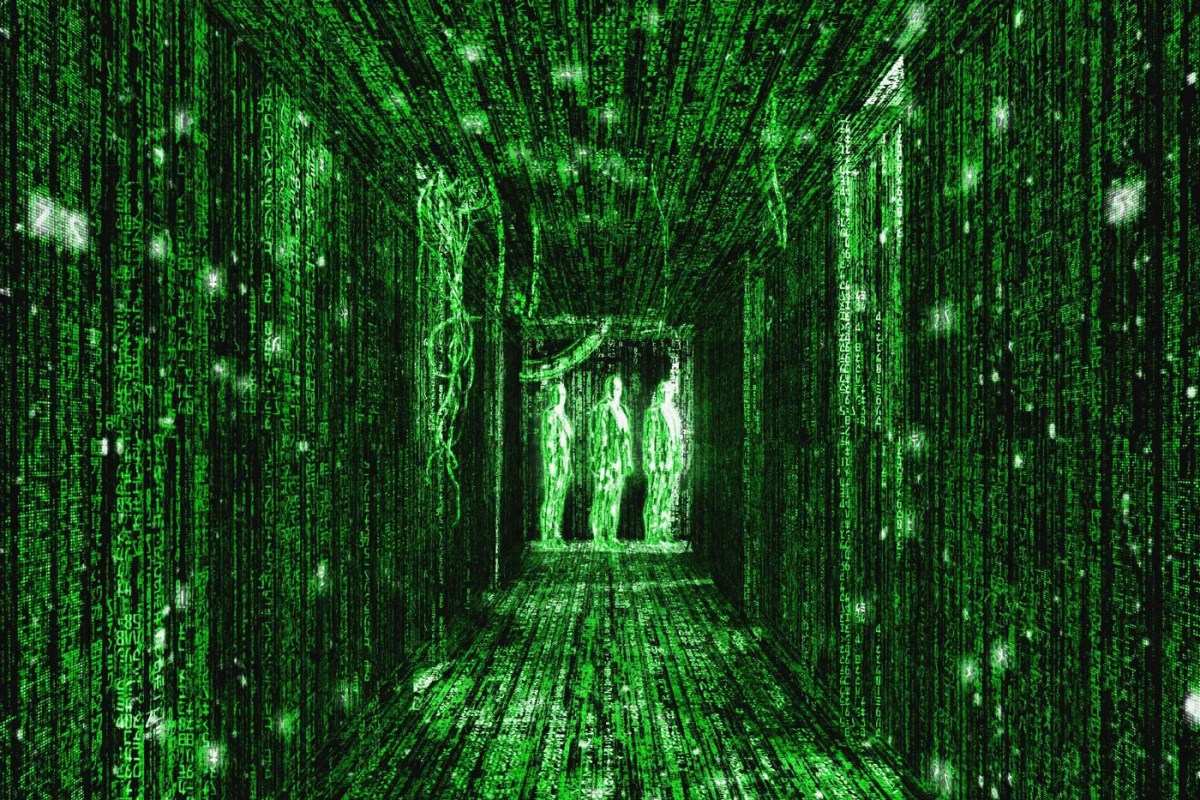
In the late 1990s, the Wachowskis gave us The Matrix – Keanu Reeves as Neo, the Chosen One™, a man so bland he could be anyone, which was the point. Once he realised he was living inside a simulation, he learned to bend its laws, to dodge bullets in slow motion and see the code behind the curtain. Enlightenment, Hollywood-style.

Audio: NotebookLM podcast on this topic.

But here’s the twist, the film itself couldn’t stomach: realising the simulation doesn’t free you from it.

Knowing that race and gender are social constructs doesn’t erase their architecture. Knowing that our economies, legal systems, and so-called democracies are fictions doesn’t get us out of paying taxes or playing our assigned roles. “The social contract” is a collective hallucination we agreed to before birth. That and a dollar still won’t buy you a cup of coffee.

Baudrillard, whose Simulacra and Simulation the film name-dropped like a trophy, argued that simulation doesn’t hide reality – it replaces it. When representation becomes indistinguishable from the thing it represents, truth evaporates, leaving only consensus. We don’t live in a system of power; we live in its performance.

The Matrix got the metaphor half right. It imagined the bars of our cage as a digital dream – glossy, computable, escapable. But our chains are older and subtler. Rousseau called them “social”, Foucault diagnosed them as “biopolitical”, and the rest of us just call them “normal”. Power doesn’t need to plug wires into your skull; it only needs to convince you that the socket is already there.

You can know it’s all a fiction. You can quote Derrida over your morning espresso and tweet about the collapse of epistemic certainty. It won’t change the fact that you still have rent to pay, laws to obey, and identities to perform. Awareness isn’t liberation; it’s just higher-resolution despair with better UX.

Neo woke up to a ruined Earth and thought he’d escaped. He hadn’t. He’d only levelled up to the next simulation – the one called “reality”. The rest of us are still here, dutifully maintaining the system, typing in our passwords, and calling it freedom.

NB: Don’t get me wrong. I loved The Matrix when it came out. I still have fond memories. It redefined action films at the time. I loved the Zen messaging, but better mental acuity doesn’t grant you a pass out of the system.

The Tyranny of “Human Nature”

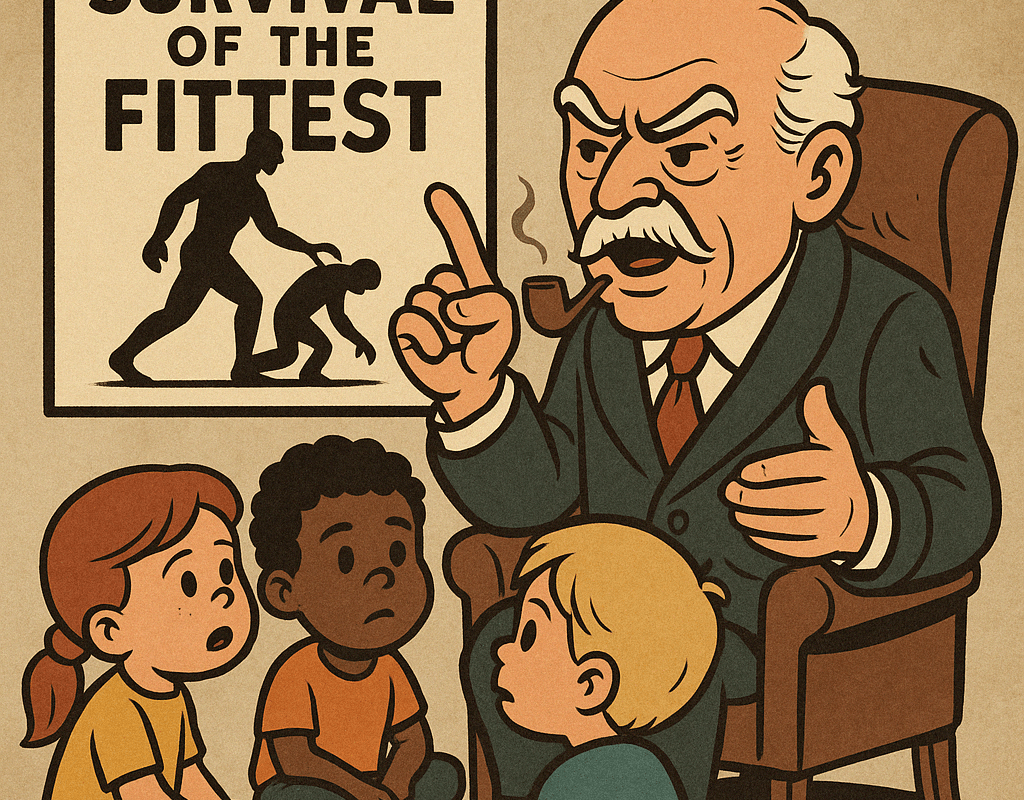
There is a kind of political necromancy afoot in modern discourse—a dreary chant murmured by pundits, CEOs, and power-drunk bureaucrats alike: “It’s just human nature.” As if this incantation explains, excuses, and absolves all manner of violent absurdities. As if, by invoking the mystic forces of evolution or primal instinct, one can justify the grotesque state of things. Income inequality? Human nature. War? Human nature. Corporate psychopathy? Oh, sweetie, it’s just how we’re wired.

What a convenient mythology.

Audio: NotebookLM podcast on this topic.

If “human nature” is inherently brutish and selfish, then resistance is not only futile, it is unnatural. The doctrine of dominance gets sanctified, the lust to rule painted as destiny rather than deviance. Meanwhile, the quiet, unglamorous yearning of most people—to live undisturbed, to coöperate rather than conquer—is dismissed as naĂŻve, childish, and unrealistic. How curious that the preferences of the vast majority are always sacrificed at the altar of some aggressive minority’s ambitions.

Let us dispense with this dogma. The desire to dominate is not a feature of human nature writ large; it is a glitch exploited by systems that reward pathological ambition. Most of us would rather not be ruled, and certainly not managed by glorified algorithms in meat suits. The real human inclination, buried beneath centuries of conquest and control, is to live in peace, tend to our gardens, and perhaps be left the hell alone.

And yet, we are not. Because there exists a virulent cohort—call them oligarchs, executives, generals, kings—whose raison d’ĂŞtre is the acquisition and consolidation of power. Not content to build a life, they must build empires. Not content to share, they must extract. They regard the rest of us as livestock: occasionally troublesome, but ultimately manageable.

To pacify us, they offer the Social Contract™—a sort of ideological bribe that says, “Give us your freedom, and we promise not to let the wolves in.” But what if the wolves are already inside the gates, wearing suits and passing legislation? What if the protection racket is the threat itself?

So no, it is not “human nature” that is the problem. Cancer is natural, too, but we don’t celebrate its tenacity. We treat it, research it, and fight like hell to survive it. Likewise, we must treat pathological power-lust not as an inevitability to be managed but as a disease to be diagnosed and dismantled.

The real scandal isn’t that humans sometimes fail to coöperate. It’s that we’re constantly told we’re incapable of it by those whose power depends on keeping it that way.

Let the ruling classes peddle their myths. The rest of us might just choose to write new ones.