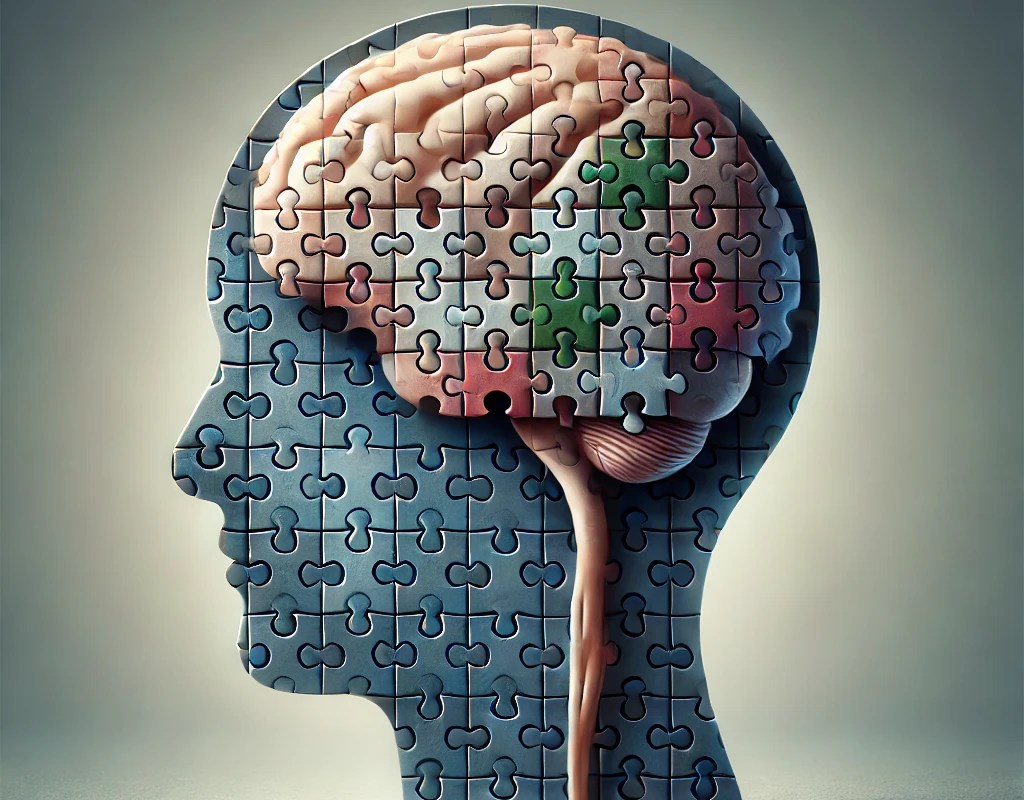
Using AutoCrit, I continue to share the review progress of my work in progress, Democracy: The Grand Illusion. In this chapter, I survey the topic of rational ignorance.
Synopsis
The text delves into the concepts of rational ignorance and unknown unknowns within the framework of democratic decision-making. It begins by defining rational ignorance as individuals choosing to remain uninformed due to the perceived high cost of acquiring information. The discussion then moves on to explore how this impacts voter behaviour, leading to decisions based on superficial understanding and susceptibility to misinformation. The concept of unknown unknowns is introduced as factors individuals are unaware of, influencing decision-making unpredictably.
The text concludes by emphasising the importance of addressing cognitive challenges through enhancing political literacy, promoting deliberative democracy, ensuring transparency, and leveraging technology. By doing so, it aims to create a more informed electorate and strengthen democratic systems.
Audience
The target audience for this text includes policymakers, educators, citizens interested in political science or governance issues, and those involved in civic engagement. Those not targeted may include casual readers looking for light reading material or individuals with no interest in politics. To make it more relevant, the author could simplify complex terms for lay audiences without compromising depth or provide real-world examples illustrating theoretical concepts.
Structure and Organisation
The text follows a logical order by first introducing key concepts like rational ignorance and unknown unknowns before exploring their implications on democratic decision-making. Each section flows seamlessly into the next without abrupt transitions or disconnection between ideas.
Tone
The tone throughout remains informative yet urgent about addressing cognitive challenges within democracies effectively. There’s a sense of responsibility conveyed towards improving civic engagement among readers.
Clarity
Overall clarity is strong; however, some sections could benefit from simplification for easier comprehension by all readers. For instance:
- “Unknown Unknowns refer to factors that are completely outside individuals’ awareness…” – This could be rephrased more straightforwardly.
- Complex sentences discussing cognitive biases might require additional clarification for better understanding.
Commentary
There is an entire section on cognitive biases earlier in the book as well as a note to directing the reader to it.
Argument and Persuasion
Opinions presented focus on mitigating effects of rational ignorance through enhanced education and transparency measures which are logically constructed with support from references such as Downs (1957) & Kahneman (2011). While persuasive elements are well-supported overall; further statistical data or case studies would enhance credibility.
Commentary
I’m not sure I’ll include more in this book, as I cite copious source material, noted below.
Interest and Engagement
While engaging overall due to its relevance in current socio-political contexts; sections detailing strategies like encouraging deliberative democracy may lose reader interest due to dense content presentation without breaks or interactive elements such as case studies or anecdotes involving citizen participation can improve engagement levels significantly
Final Thoughts & Conclusions
The text concludes with a strong and satisfying section that summarizes the concepts of rational ignorance and unknown unknowns, emphasizing their impact on democratic decision-making. It effectively ties together the key points discussed throughout the work and provides a clear call to action for addressing cognitive challenges in governance. The final thoughts and conclusions serve to underscore the importance of mitigating these challenges through improved education, deliberation, transparency, and technological advancements. The text ends conclusively by summarizing key points discussed earlier while offering actionable steps towards strengthening democratic systems amidst cognitive challenges faced today—providing a clear direction forward that ties together various themes explored throughout the narrative effectively.
References and Supporting Materials
Downs, A. (1957). An Economic Theory of Democracy. Harper & Row.
Kahneman, D. (2011). Thinking, Fast and Slow. Farrar, Straus and Giroux.
Caplan, B. (2007). The Myth of the Rational Voter: Why Democracies Choose Bad Policies. Princeton University Press.
Tetlock, P. E. (2005). Expert Political Judgment: How Good Is It? How Can We Know? Princeton University Press.
Sunstein, C. R. (2006). Infotopia: How Many Minds Produce Knowledge. Oxford University Press.
Lupia, A., & McCubbins, M. D. (1998). The Democratic Dilemma: Can Citizens Learn What They Need to Know? Cambridge University Press.
Akerlof, G. A., & Shiller, R. J. (2015). Phishing for Phools: The Economics of Manipulation and Deception. Princeton University Press.
Iyengar, S., & Kinder, D. R. (1987). News That Matters: Television and American Opinion. University of Chicago Press.
Gigerenzer, G., & Todd, P. M. (1999). Simple Heuristics That Make Us Smart. Oxford University Press.
Sunstein, C. R., & Thaler, R. H. (2008). Nudge: Improving Decisions About Health, Wealth, and Happiness. Penguin Books.
AutoCrit is an AI-based editorial application. I am a member of their affiliate programme, so I gain minor financial benefits at no cost to you if you purchase through a link on this page.





 Philosophics