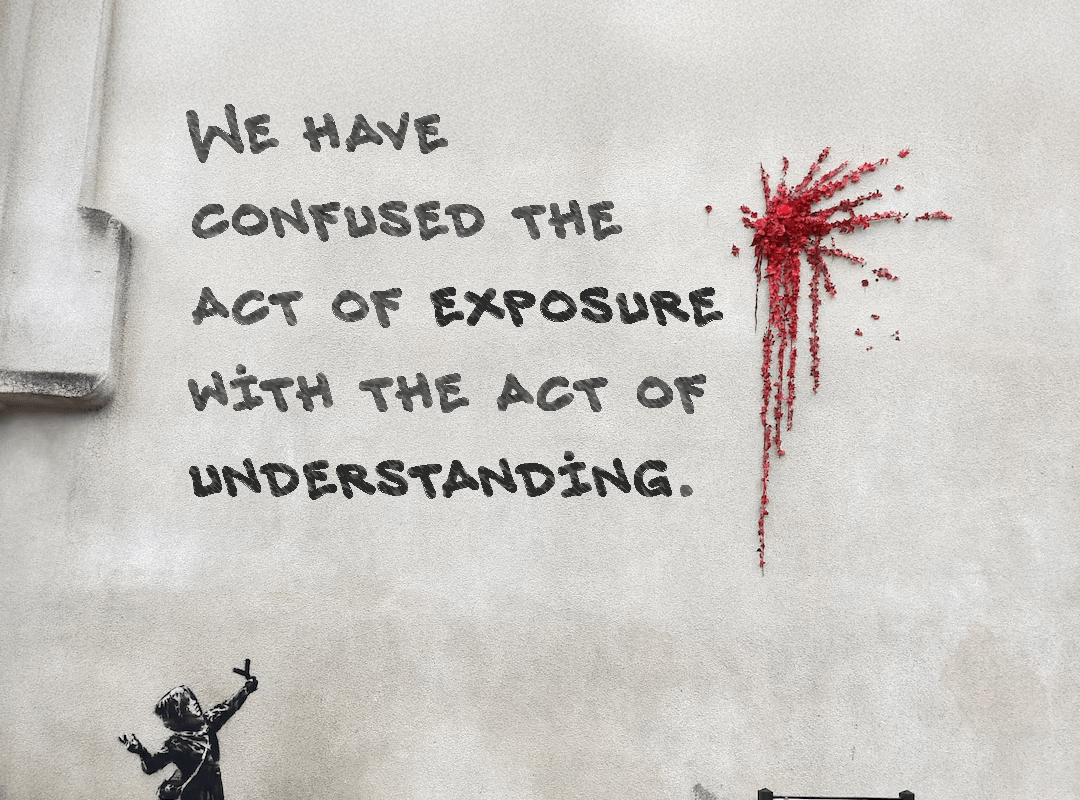
Un court message aujourd’hui.
Je travaille à la traduction de The Illusion of Light : Thinking After the Enlightenment (L’Illusion de la lumière : Penser après les Lumières) en français, avec l’aide de quelques outils linguistiques et d’un peu d’intelligence artificielle. J’ai bon espoir que le processus sera fructueux. Souhaitez-moi bonne chance.
Je dois beaucoup aux penseurs français, d’hier comme d’aujourd’hui. Traduire ce texte est donc, à ma manière, une forme de reconnaissance. Mon plus grand défi sera de préserver un français à la fois contemporain et fidèle à ma voix – moins prosaïque que poétique.
Mes excuses d’avance aux Québécois.
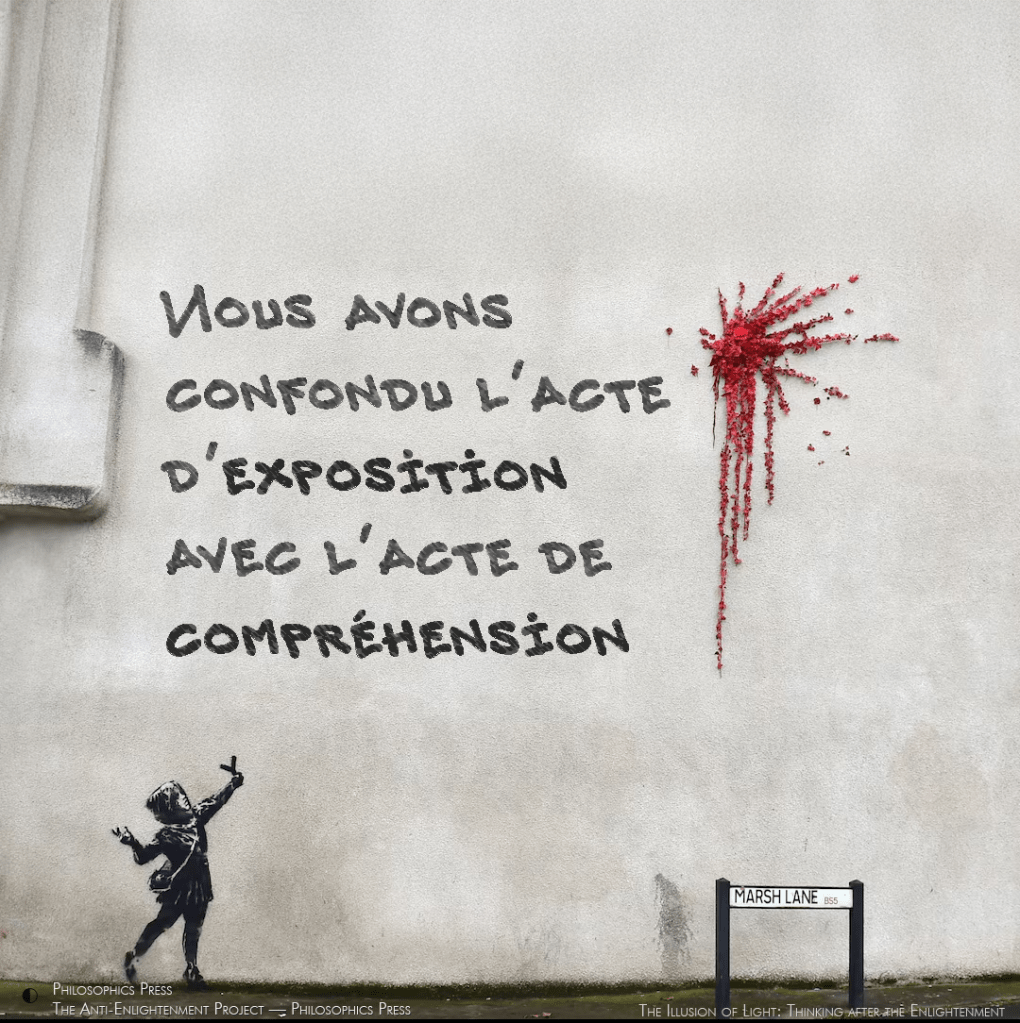
In English, I am translating The Illusion of Light into French, so I’m leaving just this short note today.
I don’t know any other languages well enough to attempt a translation myself, but with a few capable software partners, I’m confident the process will end well.
For the record, I’m using these tools:
- Reverso — I’ve used it for years and still find it helpful. It provides plenty of contextual examples, which helps ensure I’ve captured the right nuance.
- ChatGPT — My go-to AI partner; it gets the second pass.
- Claude — I’m consistently impressed with its suggested amendments. Where Reverso is precise, Claude tends to catch idiomatic usage better.
- Mistral — It’s French, after all. What can I say? A bit pedantic, perhaps, but another set of virtual eyes can’t hurt—can they?
Whilst I’m sure these tools could manage other languages, I want to be able to evaluate what they’re doing. In French, even if I don’t know a particular word, I can verify it, and I understand the grammar. With other languages, I’d simply be trusting a black box.
Besides, French culture and philosophy have influenced me so deeply that the least I can do is offer something back. As this translation is an overview of my English-language essays, I hope it provides some in-language context.
I know how difficult translated works can be to read, so if I’m overseeing the process, at least there’s one fewer filter between my thoughts and the reader.


 Philosophics