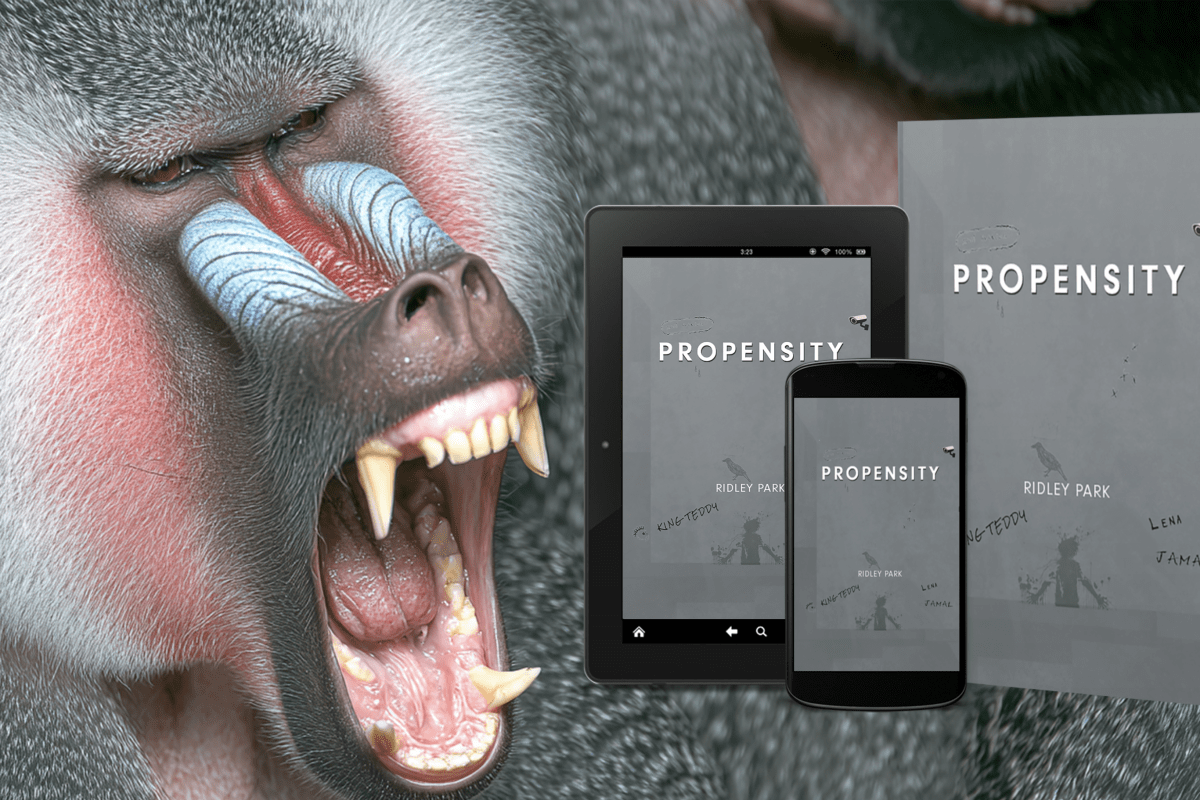
Editing Is Hard and Propensity

2–3 minutes

Well, not so much hard as not particularly or inherently enjoyable.
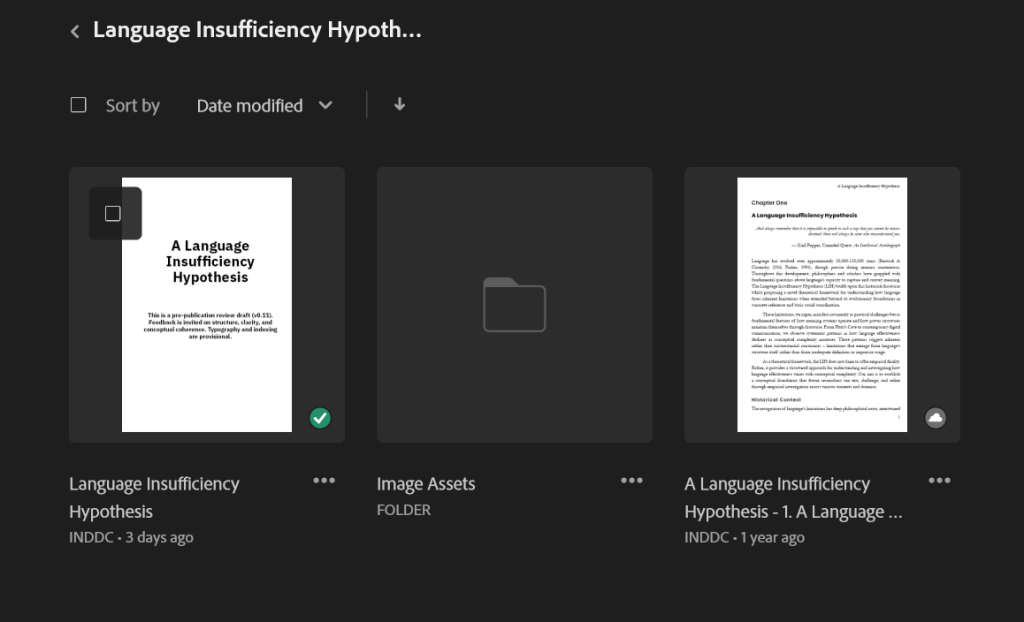
I estimate I’ve got about a day left to complete this manuscript – ‘done’ done. When I open InDesign, it shames me – 3 days ago, I last touched this document. It doesn’t feel like 3 days have passed, but time flies.

On the right is an older version. I began reworking it into this new version over the summer, and here I am come autumn. It’s even worse if I use the Chinese calendar. Evidently, 7th November is the first day of winter. They can’t wait until soltace.

Anyway, just a brief update. This isn’t going to edit itself, and I can’t afford to pay an editor for a passion project. Besides – and let’s be honest – I can’t afford an editor in general – or at least can’t cost-justify it – and all my writing is a passion project.

Of course, editors (and cover artists) insist that one would sell more book if only they were edited or professionally rendered. There is an element of truth to this, but I’ve read some gawdawful books that were professionally edited and published through a traditional publisher, because publishers publish.

Me, I operate on razor-thin margins. Most of my publications haven’t even broken even – even if I ignore opportunity costs, which I can’t because I’m an economist. Accountants get to play that trick.

This said, I do hire reviewers, editors, and artists in small doses – homoeopathic as they might be – and I’ve had mixed results.

I’m rambling

Must really be avoiding the editing process…

Recently, I wanted to redesign the cover of one of my Ridley Park fiction books.
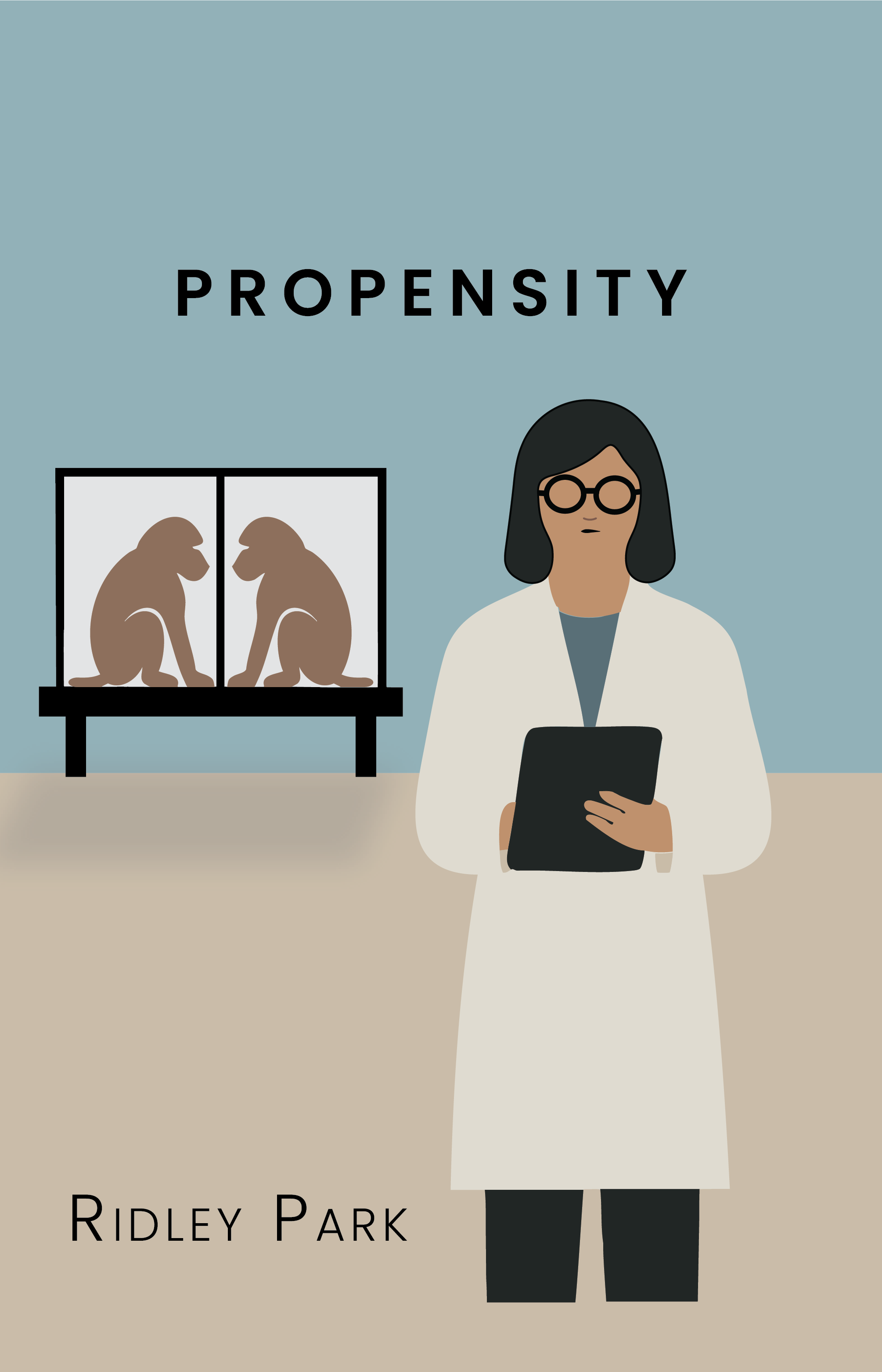
Image Comparison: A Tale of Two Propensities

The cover on the left is the original. It is intentionally a minimal 2-D construction – a representation of the first section of the book, the first 15 chapters.

The cover on the right is the update. It is also minimalist, representing the second section of Propensity. I’m not sure how I would depict the third section. If it comes to me, I may render a third version.

There’s a story to this. I reached out to some cover artists and told them I was unhappy with my original design but had no visual ideas. I’d leave this to the artist. It turns out that some artists don’t want full control over the design process. I can understand the hesitation.

They asked for covers that I might like, so I researched some covers and saved them to a Pinterest board.

As it turned out, after some inspiration, I decided to render this one myself, too. Hey, I tried.

What happened to the rest of the time?

OK, so there’s more. I also created a video book trailer in the evening.

It was fun enough. Give it a watch. It also represents part one of Propensity.

OK, this time for real. Let me know what you think…about anything in particular.

Good Enough

As I approach my sixty-second year on earth, having almost expired in March, I’ve been a bit more reflective and introspective. One is categorical. I’ve been told over the years that I am ‘good’ or ‘excel’ at such and such, but I always know someone better—even on a personal level, not just someone out in the world. We can all assume not to be the next Einstein or Picasso, but I am talking closer than that.

During my music career, I was constantly inundated with people better than me. I spent most of my time on the other side of a mixing console, where I excelled. Even still, I knew people who were better for this or another reason. In this realm, I think of two stories. First, I had the pleasure and good fortune to work on a record with Mick Mars and Motley Crue in the mid-’80s. We had a chat about Ratt’s Warren DiMartini, and Mick told me that he knew that Warren and a spate of seventeen-year-olds could play circle around him, but success in the music business is not exclusively based on talent. He appreciated his position.

In this vein, I remember an interview with Tom Morello of Rage Against the Machine. As he was building his chops he came to realise that he was not going to be the next Shredder or Eddie Van Halen, so he focused on creating his own voice, the one he’s famous for. I know plenty of barely competent musicians who make it, and I know some virtual virtuosos who don’t. But it involves aesthetics and a fickle public, so all bets are off anyway.

As I reflect on myself, I consider art and photography. Always someone better. When I consider maths or science, there’s always someone better. Guitar, piano? Same story.

Even as something as vague and multidimensional as business, I can always name someone better. I will grant that in some instances, there literally is no better at some level—just different—, so I sought refuge and solace in these positions. Most of these involved herding cats, but I took what I could.

Looking back, I might have been better off ignoring that someone was better. There’s a spot for more than the best guitarist or singer or artist or policeman for that matter. As a musician, I never thrived financially—that’s why I was an engineer—, but I could have enjoyed more moments and taken more opportunities.

When I was 18, I was asked to join a country music band. I was a guitarist and they needed a bass player. I didn’t like country music, so I declined—part ego, part taste. Like I said, aesthetics.

As I got older and started playing gigs, I came to realise that just playing was its own reward. I even played cover bands, playing songs that were either so bad or so easy. But they were still fun. I’m not sure how that would have translated as playing exclusively country music day after day, but I still think I might have enjoyed myself—at least until I didn’t. And the experience would still have been there.

I was a software developer from the nineties to the early aughts. I was competent, but not particularly great. As it turns out, I wasn’t even very interested in programming on someone else’s projects. It’s like being a commercial artist. No, thank you. It might pay the bills, but at what emotional cost?

I was a development manager for a while, and that was even worse, so I switched focus to business analysis and programme management, eventually transitioning to business strategy and management consulting. I enjoyed these more, but I still always knew someone better.

On one hand, whilst I notice the differences, it’s lucky that I don’t care very much. Not everyone can be a LeBron James or a Ronaldo, but even the leagues are not filled with this talent. I’m not suggesting that a ten-year-old compete at this level, but I am saying if you like it, do it. But temper this with the advice at the Oracle of Delphi: Know thyself. But also remember that you might never be the best judge of yourself, so take this with a grain of salt. Sometimes, ‘good enough’ is good enough.

Philosophie de la musique

Soundcloud: Bry Willis

So, OK. A bit of a bait and switch. This post is not about the philosophy of music, but music is a part of my life and has been since I was a kid. My philosophy is that I connect with music and it connects back.

This past month, I’ve been especially enjoying pieces centred on Sus2, typically in F.

To me Sus2 voicings have a Minor sadness yet are somehow more airy. My last 3 excerpts illustrate different takes.

Give a listen or not. Feel free to comment or not.

I’ll leave you with a piece I wrote for a former girlfriend, who died in June 2020. I could write am entire philosophy-psychology series on her, but for now, here is the purposfully meloncholy piece (with a notable nod to Smashing Pumpkins), the opening notes also serving as her ringtone.