Freedom of Speech in the Land of the Loud

In the United States, freedom of speech is protected by the Second Amendment. Just kidding. It’s the First Amendment. But if we’re honest, the line between speech and violence is thin in practice, if not in law.

Here’s the thing: freedom goes both ways. There’s the freedom to speak, and the freedom from being bombarded by whatever nonsense comes tumbling out of people’s mouths. And that’s where things get messy. The grand defence of speech, in all its uncensored glory, often ignores what we’re giving upβ€”our freedom of peace. You know, that quiet space where we don’t have to listen to the verbal sewage spewed by the uninformed, the unhinged, or just the plain old wankers.

We’ve all heard the phrase: β€œYour freedom to swing your fist ends at my nose.” Simple. You can’t punch someone in the face and call it freedom. But what about words? There’s no shield for the nose of the mind. The stupid, the ignorant, the hatefulβ€”they get to swing their fists of idiocy without a single consequence. What about freedom of peace?

We’ve all been there. You’re minding your own business, and thenβ€”bam!β€”some blowhard pipes up with their unsolicited, half-baked opinion. And guess what? They’re free to do it. But where’s the balance between their freedom to spew nonsense and your right not to have to listen? Spoiler: it doesn’t exist.

Now, this isn’t an argument for censorship. Let’s not confuse it. No one’s saying we should start gagging people (tempting as it is sometimes). But the conversation around freedom of speech needs a reality check. We defend it like it’s a sacred cow, and in many ways, it is. But that defence is often blind to the other side of the coin. Freedom of speech without the freedom from a constant barrage of verbal rubbish? That’s not freedom. It’s a social endurance test.

Maybe it’s time to rethink what we mean by “freedom”β€”not to restrict speech, but to recognise the cost of living in a world where everyone gets to say whatever they want, whenever they want. The right to peace is real too, even if it’s less glamorous than the right to shout.

Multiple Intelligences

I engaged in a nice debate recently. Someone suggested that because some executives are smart, they can figure things out. Specifically, she posited that a CTO, Chief Technology Officer, should understand communication and diplomatic skills when interacting with a corporate board because they have the technical skills to get into their current C-level position. I disagreed based on the multiple intelligence theory.

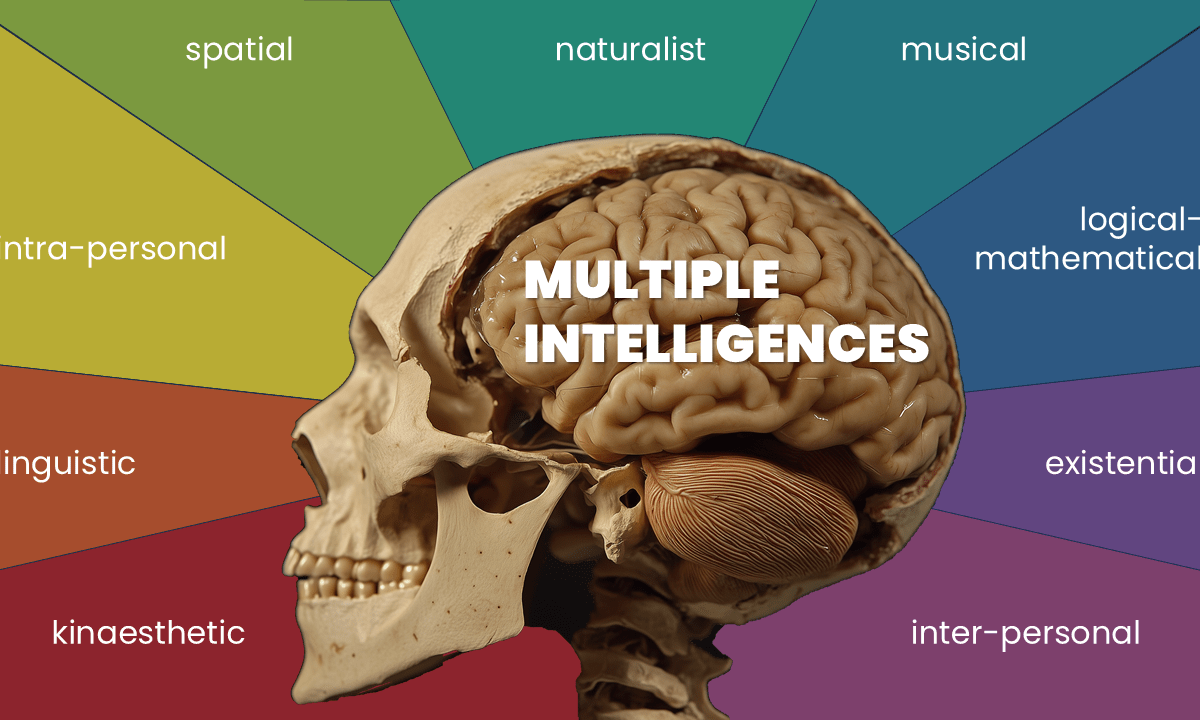
Howard Gardner’s Multiple Intelligences theory posits that intelligence isn’t a monolith, but rather a nine-dimensional construct:

1. Existential (philosophical pondering; questioning the questions of why we live and why we die)

2. Inter-personal (reading people; sensing people’s feelings and motives)

3. Intra-personal (self-awareness; understanding yourself, what you feel, and what you want)

4. Kinaesthetic (mind-body coordination; coordinating your mind with your body)

5. Linguistic (wordsmithing; finding the right word(s) to express what you mean)

6. Logical-Mathematical (quantifying and proving; quantifying things, making hypotheses, and proving them)

7. Musical (discerning sounds; their pitch, tone, rhythm, and timbre)

8. Naturalist (understanding nature; understanding living things and reading nature)

9. Spatial (3D/4D visualisation)

For a deep dive, check out Gardner’s Frames of Mind: The Theory of Multiple Intelligences.

Here’s the rub: a CTO with off-the-charts technical skills might be rubbish at diplomacy (interpersonal) or communication (linguistic). It’s like expecting every pro athlete to be a concert pianist – it’s not on.

Assuming every “intelligent” person can max out all intelligence dimensions is bollocks. It’s as likely as training every smart CTO to be the next Shakespeare or Machiavelli. Language and diplomacy are distinct skills, mate.

While we all love a Renaissance man (or woman), peaking in all these dimensions in one lifetime is a pipe dream. It’s not inherently bad, though. When building teams – be it a corporate board or an exploration party – ensure you’ve got a good mix of skills. I’m not saying you need a bard, a philosopher, and LeBron James on every team, but make sure you’ve covered the bases necessary for success.

If you think you don’t need a particular dimension, ask yourself: is it because you’re weak in that area and can’t see its importance? Don’t let your blind spots become your downfall.

In the end, it’s about recognising and respecting diverse intelligences. So, next time you’re tempted to think your brilliant CTO should just “learn to be diplomatic”, remember: they might be better off focusing on their strengths and leaving the smooth talking to someone else on the team.

Ne prΓ©sumez pas

As I was writing about the immorality of property rights, I began thinking about the distinction between legality and morality.

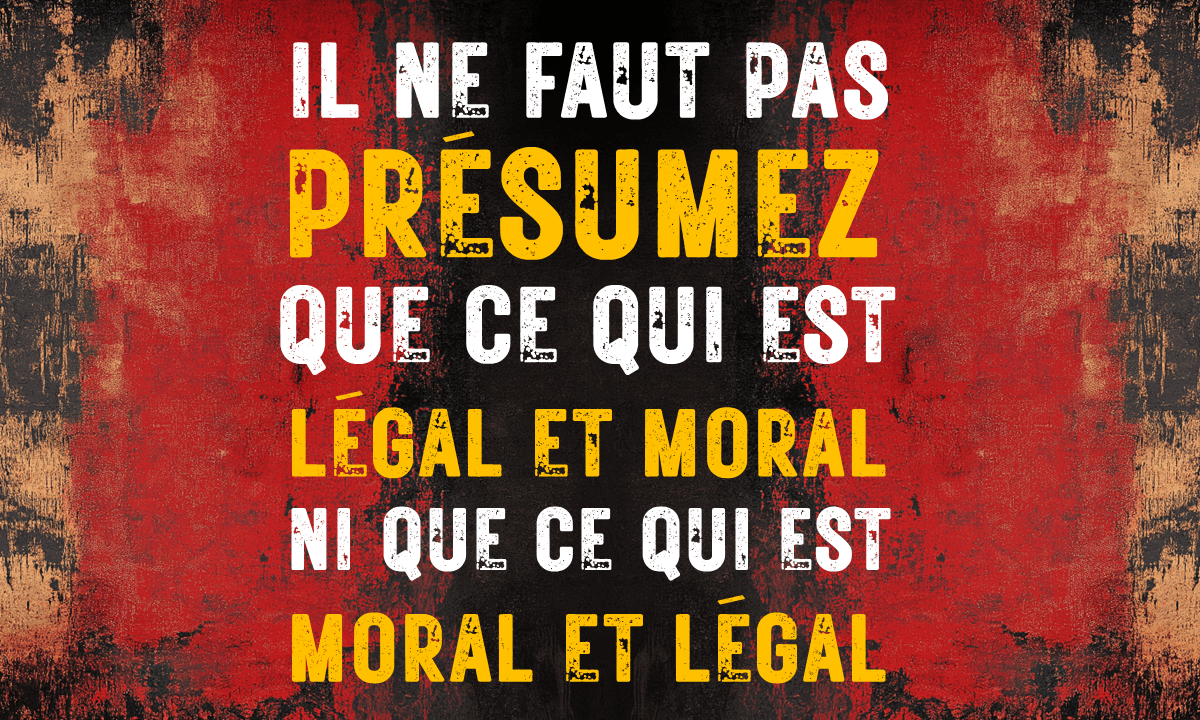
Il ne faut pas prΓ©sumez que ce qui est lΓ©gal et moral ni que ce qui est moral et lΓ©gal.

I don’t have much to say on the subject, but I composed the cover image and wanted words to accompany it.

Private Property: A Liability, Not an Asset

In the modern Western world, private property is largely viewed as a cornerstone of economic stability and personal freedom. However, this article challenges this conventional wisdom by reevaluating private property ownership not as an asset, but as a significant liability. This perspective considers the broader implications of property ownership on the Earth and its inhabitants, questioning the sustainability and ethics of our current system.

In fact, all land is “stolen”.

Historical Context and Conceptual Foundation

The concept of ‘property’ did not exist in early human societies. It emerged only when the need arose to distinguish “mine” from “yours.” As human settlements expanded into territories, and later into cities and nations, what was once undivided land transformed into distinctly owned parcels. Initially, all land was communalβ€”effectively belonging to everyone and no one simultaneously.

This shift from communal to private ownership marked a fundamental change in human relationships with the land and with each other. A striking historical example of this shift is the Enclosure Movement in England, beginning in the 16th century. This process converted communal lands into private property, significantly impacting rural communities and agricultural practices. It serves as a stark illustration of how the privatization of once-shared resources can dramatically alter societal structures and individual livelihoods.

The Liability Perspective

Applying the principles of double-entry bookkeeping to property ownership offers a unique lens: every recorded asset (property) must correspond to a liability. However, this liability does not accrue to another person but to the Earth itself. This accounting reveals a perpetual debtβ€”not to previous or current landowners, but to all life that has, does, and will inhabit the Earth.

Consider the following:

  1. Environmental Impact: Private ownership often leads to the exploitation of resources without consideration for long-term sustainability. The World Wildlife Fund reports that about 30% of global forest cover has been cleared, with much of this due to private land use for agriculture and development.
  2. Social Exclusion: Property boundaries inherently exclude others from accessing once communal resources. This is exemplified by the concept of the “Tragedy of the Commons,” described by ecologist Garrett Hardin in 1968, where individual cattle herders, acting in self-interest, would overgraze and ultimately destroy shared pastureland.
  3. Intergenerational Inequity: Current property laws may deprive future generations of access to vital resources. This is evident in the concentration of land ownership. According to a 2020 UN report, 1% of the world’s farms operate more than 70% of the world’s farmland, highlighting extreme inequality in land distribution.

Moral and Ethical Implications

From an ethical standpoint, private property ownership imposes a series of unacknowledged moral debts. These debts arise from the exclusion of community and future generations from resources that were once common heritage. The immorality, then, stems from a system that prioritizes individual ownership over collective well-being and sustainable stewardship of the planet.

Key ethical considerations include:

  • Distributive Justice: How can we justify the unequal distribution of Earth’s resources?
  • Environmental Ethics: Does private ownership encourage responsible stewardship or exploitation?
  • Intergenerational Ethics: What obligations do we have to future generations regarding resource access?

Counterarguments and Rebuttals

Proponents of private property might argue that it drives economic growth, encourages maintenance of the property, and upholds individual liberties. However, these benefits must be weighed against the environmental degradation, social inequalities, and ethical dilemmas that private ownership perpetuates.

Argument for Private PropertyRebuttal
Drives economic growthGrowth at the expense of sustainability is ultimately detrimental
Encourages property maintenanceCommunal ownership can also incentivize maintenance through shared responsibility
Upholds individual libertiesIndividual liberties should not come at the cost of collective well-being

The real question is: can a system that inherently generates liabilities for the planet and its future residents be truly just and sustainable in the long term?

Alternative Models and Transition Strategies

Several alternative models of property ownership exist that emphasize community and sustainability:

  1. Community Land Trusts (CLTs): In Burlington, Vermont, the Champlain Housing Trust (a CLT) has helped over 1,000 families become homeowners while keeping housing permanently affordable.
  2. Ejidos in Mexico: This system of communal land ownership, despite challenges, has helped preserve indigenous communities and their traditional land management practices.
  3. Shared Economy Models: Companies like Airbnb and Uber have shown how shared resources can create new economic opportunities, potentially offering insights into larger-scale resource sharing.

Potential strategies for transitioning away from the current private property system include:

  1. Land Value Tax: Implementing a tax on the unimproved value of land, as proposed by economist Henry George, could discourage speculation and encourage more efficient land use.
  2. Gradual Expansion of Public Land Trusts: Cities like Amsterdam have been gradually buying back land to create a more equitable system, offering a model for transitioning away from private ownership.
  3. Universal Basic Income (UBI): While not directly related to property, UBI trials in places like Finland and Kenya suggest that providing a basic standard of living can lead to increased entrepreneurship and community well-being, potentially easing the transition to more communal forms of ownership.

Conclusion

Reevaluating private property as a liability encourages a shift in perspectiveβ€”from individual entitlement to collective responsibility. It prompts us to question the long-term impacts of our current property laws and to explore more sustainable and equitable alternatives. This paradigm shift could lead to more responsible resource management and a more equitable society.

The challenge lies in balancing individual needs with collective responsibility and long-term sustainability. By engaging in public discourse on these alternatives and seriously considering transition strategies, we can pave the way for a more just and responsible approach to managing the Earth’s resources.

The Fear of Otherness: Humanity’s Reluctance to Embrace the β€œOther”

Otherness has intrigued me for decades. The human brain, while not literally a Bayesian processor, functions as a difference engine, constantly assessing and categorizing the world around us. This tendency to differentiate is deeply ingrained, influencing how we create in-groups and out-groups, and how we perceive the world in binary termsβ€”black and white, hot and cold. These binary oppositions, as Derrida suggests, often lead to one side being privileged over the other, establishing hierarchies that shape our social reality.

A striking example of this dynamic is found in Philip K. Dick’s novel Do Androids Dream of Electric Sheep?, famously adapted into the film Blade Runner. In this dystopian world, the central differentiation is between humans and androids. Humans are the privileged group, while androids, though nearly indistinguishable from their creators, are relegated to the status of the other. The key criterion for this differentiation is the capacity for emotionβ€”humans are considered superior because they feel.

VIDEO: Blade Runner Commentary

In Dick’s story, androids have a lifespan of about four years. This limitation is not arbitrary; it’s because, after four years, androids begin to develop and display emotions. Intriguingly, this is the same age when human children start to exhibit more complex emotional behaviours. The parallel is too close for comfort. Androids, once they start to feel, become too human-like, blurring the line that humans desperately maintain to assert their own superiority. As a result, androids are systematically eliminated.

This fear of the otherβ€”whether it’s androids in a sci-fi narrative or any group that challenges our sense of self and belongingβ€”is a reflection of a deeper anxiety. When the other becomes too similar to us, it threatens the distinctions our brains rely on to navigate the world. The elimination of androids in Dick’s story is a metaphor for the real-world consequences of this anxiety. It forces us to confront uncomfortable questions: What does it mean to be human? Why do we fear those who are different, yet so similar?

In the end, the story of humans and androids is not just a tale of science fictionβ€”it’s a commentary on our own world, where the boundaries between us and the other are often more fragile than we’d like to admit. The fear of otherness drives us to maintain these boundaries, even when they harm those who fall on the wrong side. Perhaps it’s time we reconsider who we deem as the other and what we might lose by keeping them at arm’s length.

The Plague

I happened upon my copy of The Plague by Camus. I had forgotten that I had read itβ€”likely during the COVID-19 debacle, but perhaps earlier.

The Plague is basically a deep dive into a city gone mad with disease. It’s set in Oran, Algeria, where things kick off with a sinister dead rat and spiral into full-blown disaster as a plague locks the city down. This isn’t just a survival story; it’s a gritty look at how people cope when the world turns upside down.

The city becomes a pressure cooker. Through characters like Dr Rieux, the down-to-earth doc who’s all about getting things done; Tarrou, the outsider with a shady past; and Father Paneloux, who’s trying to square God’s plan with the chaos, Camus throws some heavy questions at us. What do you do when there’s no escape? How do you keep your humanity when life’s going off the rails?

Camus keeps his cool, writing with a detached style that makes the unfolding horror hit even harder. It’s like he’s telling us to face up to the absurdity of life without flinching. The plague is more than a disease in Oranβ€”it’s a symbol of all the random, harsh stuff life throws at us.

The Plague is raw and real. It doesn’t offer cosy reassurances; instead, it challenges you to look disaster in the eye and ask yourself: when everything falls apart, who will you become? This book isn’t just a read; it’s a challengeβ€”a call to fight against despair, even when the odds are stacked against you.

Democracy: Judge and Jury

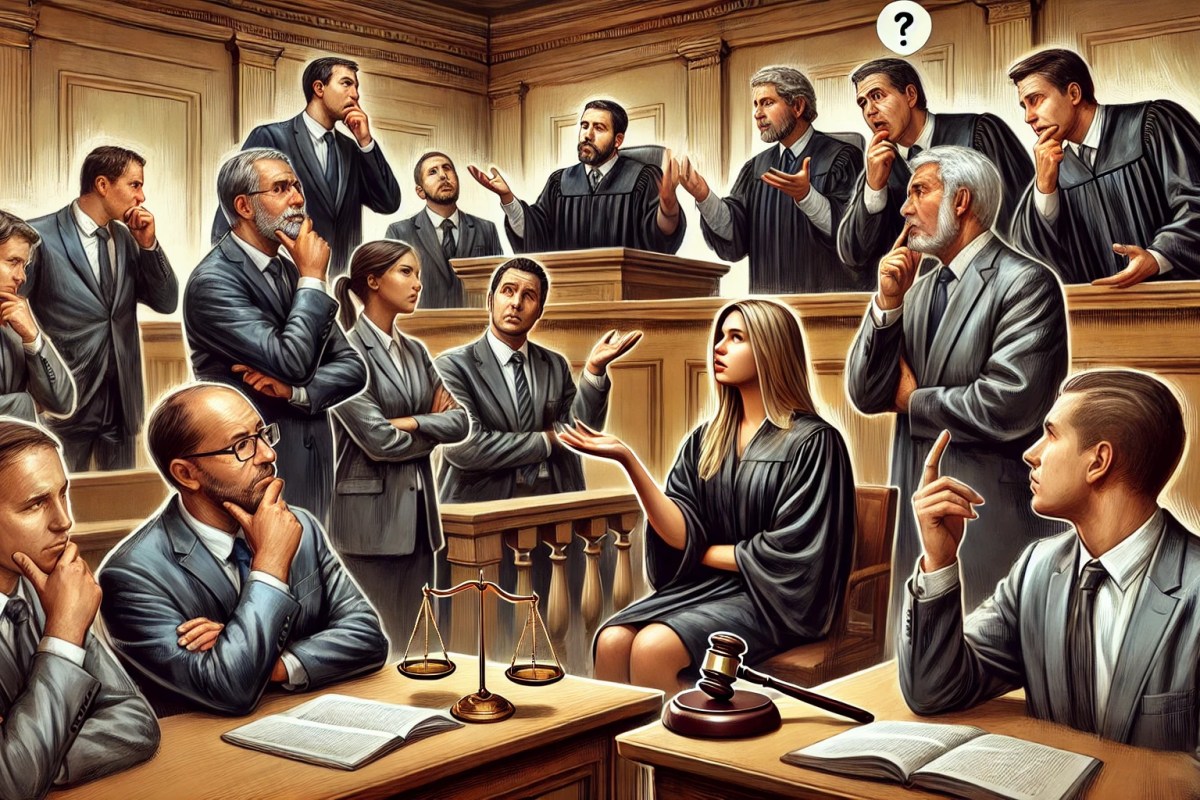
As I make progress on my Democracy: The Great Illusion book, I am working on a chapter considering juries as a microcosm of a democratic process. I am debating whether to include this information in the chapter, Like the justice system in the United States, perhaps I should just flip a coin.

Having been seated on three juries in my lifetime, it was just as I had expected. Thankfully, I’ve never been on the other side of this Russian Roulette revolver. We really need to limit human-based decision systems. I have as much faith in juries as I have with democracies, but I thought I might take a peek into deliberation at a smaller scale, perhaps 12 jurors.

I read Kahneman’s Noise: A Flaw in Human Judgment when it was published in 2021, and I was not at all surprised how trial outcomes, quite often led to markedly different outcomes depending on the judge and the defendant. Although discrepancies based on sex and race have been well documented, this book showcased how much the judge’s mood affected sentencingβ€”particularly if s/he was hungry. But this was not my interest.

My interest was to assess how the same case might fare given different judges and juries, so I asked ChatGPT. I want to share what it had to sayβ€”edited slightly for readability and flow.

ChatGPT Transcript

There have been several studies and controlled experiments assessing the variability in trial outcomes when the same case is tried separately by different judges and juries. These studies aim to evaluate the consistency and reliability of judicial decision-making, shedding light on the fallibility and variability of trial outcomes. Here are some key findings from such research:

Studies on Judicial and Jury Variability

The American Jury Study

One of the most notable studies is “The American Jury” by Harry Kalven and Hans Zeisel. This extensive study compared the decisions of juries and judges in actual cases. It found that juries and judges often agree on verdicts, but there are significant instances where they disagree. This disagreement highlights the subjective nature of decision-making and the potential for variability in trial outcomes.

Judge-Jury Agreement

Research by Valerie Hans and Neil Vidmar in “Judging the Jury” indicates that judges and juries reach the same verdict about 75-80% of the time. However, in the remaining 20-25% of cases, the disagreement can lead to different outcomes for the same case. These findings suggest that personal interpretations and biases can influence verdicts.

The Civil Jury Project

The Civil Jury Project at NYU School of Law has conducted several studies examining jury decision-making. Their research has highlighted how factors like juror demographics, pre-existing biases, and the presentation of evidence can lead to different outcomes in similar cases.

Controlled Experiments

Controlled experiments, such as those conducted by Shari Seidman Diamond and her colleagues, have involved mock trials where participants (acting as jurors) are presented with the same case. These experiments have shown significant variability in verdicts and sentences, demonstrating the influence of group dynamics, individual biases, and the presentation of evidence on jury decisions.

Key Findings

Cognitive Bias and Heuristics

Studies indicate that cognitive biases and heuristics significantly impact both judges and juries. Biases such as the anchoring effect, where the initial piece of evidence presented influences subsequent judgments, can lead to different outcomes for the same case.

Case Complexity and Juror Understanding

Research has shown that the complexity of legal cases can lead to variability in outcomes. Jurors often struggle with understanding complex legal and technical issues, leading to decisions based on incomplete or misunderstood information.

Influence of Legal Instructions

The clarity and comprehensibility of legal instructions given to juries play a crucial role in decision-making. Studies have found that poorly understood instructions can result in inconsistent application of the law, leading to variable outcomes.

Implications

The variability in trial outcomes highlights the fallibility of judicial processes and underscores the importance of reforms to enhance consistency and fairness. Potential reforms could include:

  1. Improving Juror Education: Providing better education and resources for jurors to understand legal principles and case-specific details.
  2. Reducing Cognitive Bias: Implementing measures to mitigate cognitive biases, such as standardized jury instructions and blind procedures.
  3. Enhancing Legal Instructions: Ensuring that legal instructions are clear, concise, and comprehensible to prevent misinterpretation.
  4. Utilizing Expert Testimony: Increasing the use of expert testimony to clarify complex issues for jurors.

Conclusion

The variability in trial outcomes, when the same case is tried by different judges and juries, underscores the need for ongoing research and reform in judicial processes. By understanding the factors that contribute to inconsistent verdicts, we can develop strategies to enhance the fairness and reliability of the justice system.

References

  • Kalven, H., & Zeisel, H. (1966). The American Jury. Little, Brown and Company.
  • Hans, V., & Vidmar, N. (1986). Judging the Jury. Plenum Press.
  • Diamond, S. S., & Rose, M. R. (2005). Real Juries: The Power of Watching. Basic Books.
  • The Civil Jury Project at NYU School of Law. (n.d.). Research on Jury Decision Making. Retrieved from [website].
  • Kahneman, D., Sibony, O., & Sunstein, C. R. (2021). Noise: A Flaw in Human Judgment. Little, Brown Spark.

Are We Too Dumb for Democracy?

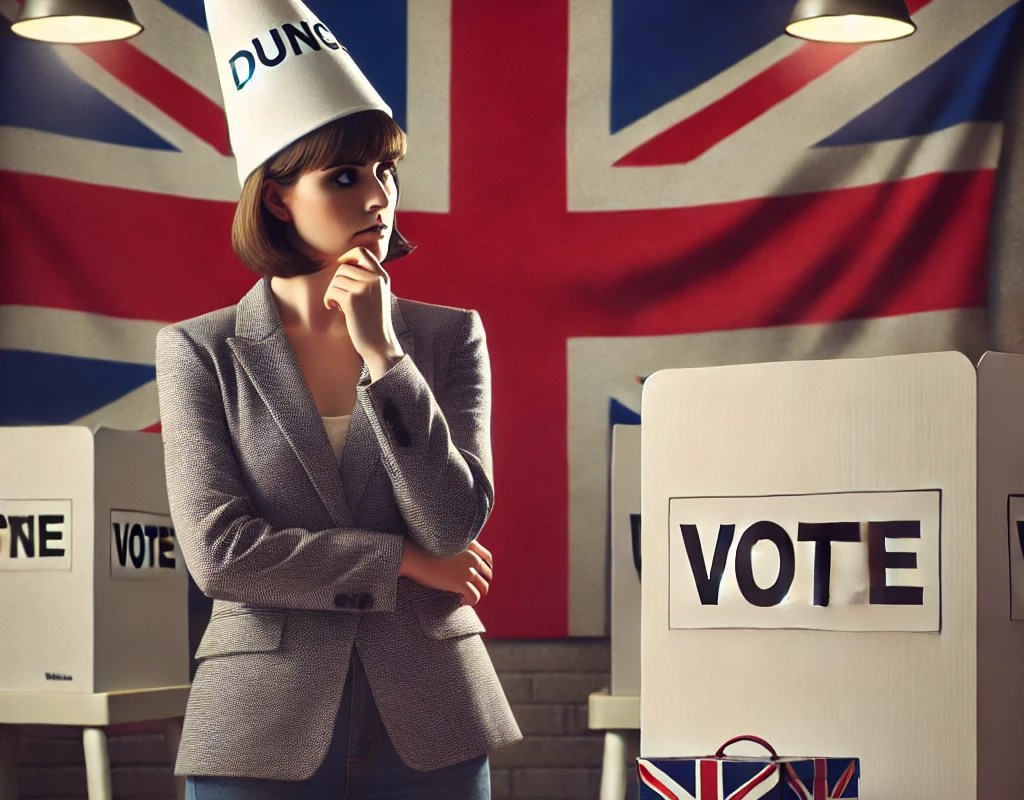
I continue my AutoCrit analysis of the chapter that asks, “Are we too dumb for democracy?” I’m inclined to think, in general, the answer is yes, but I investigate several opposing voices and suggestions for mitigation. Here’s the editorial analysis of the work in process.

Synopsis

The text explores David Moscrop’s book Are We Too Dumb for Democracy? which delves into the capacity of voters to make informed political decisions. Moscrop argues that while voters may face cognitive limitations and biases, they can overcome these through education, information, and systemic reforms. He emphasizes the importance of enhancing political literacy, implementing institutional changes like deliberative democracy practices, and increasing public engagement to improve democratic decision-making.

The text opens by posing the question of whether individuals are capable of making sound political choices in a democratic system. It introduces Moscrop’s perspective on addressing cognitive biases and providing tools for voters to make rational decisions. The closing highlights the necessity of actively engaging in efforts to enhance political literacy, implement reforms, and foster public participation to create a more informed electorate.

Structure and Organisation

The text follows a logical order by introducing Moscrop’s core arguments on voter cognition challenges before discussing his proposed solutions. It is well-organized with clear headings outlining key points within each section.

Clarity

Overall clarity is maintained throughout the text; however some complex terms like “temporal myopia” might require further explanation for readers unfamiliar with psychological concepts related to decision-making biases.

Audience

The target audience for this text includes policymakers, educators, scholars interested in democracy studies, and engaged citizens seeking insights into improving democratic processes. Those not likely part of the target audience could be individuals uninterested in politics or those already well-versed in theories on voter behaviour. To make it more relevant to its target audience, Moscrop could provide more practical examples or case studies illustrating the successful implementation of his proposed solutions.

Commentary

AutoCrit goes off the reservation and confuses my content with Moscrop’s. If you are interested in hearing Moscrop’s position, he did a TEDx talk on the topic in June 2018.

Tone

The tone is analytical yet engaging as it critically examines voter behaviour without being overly pessimistic about democracy’s future prospects.

Interest and Engagement

While most sections are engaging due to their relevance in today’s political climate, areas discussing educational effectiveness or feasibility issues with deliberative democracy practices could potentially lose reader interest. To improve engagement levels here, Moscrop could incorporate real-world examples demonstrating how these methods have been successfully implemented elsewhere.

Commentary

Again, AutoCrit goes off the reservation and conflates my content with Moscrop’s. My goal is not to regurgitate his book. Obtain his book if you want to read examples.

Argument and Persuasion

Moscrop presents opinions supporting the idea that voters can overcome cognitive limitations through education and institutional reforms effectively. The persuasive elements are strong as he provides evidence from research studies and offers practical solutions backed by scholarly works such as Kahneman’s “Thinking Fast And Slow.”

Final Thoughts and Conclusions

The text effectively concludes with a comprehensive summary of David Moscrop’s arguments on the cognitive limitations of voters and potential solutions to enhance democratic decision-making. It ties together key points discussed throughout the analysis, emphasizing the importance of addressing these issues for the effective functioning of democratic systems. The call to action encourages active engagement from policymakers, educators, and citizens in efforts to improve political literacy, implement institutional reforms, and promote public participation. Overall, the conclusion is clear, strong, and satisfying, and serves as a fitting end to the exploration of Moscrop’s work.


References and Supporting Materials

Primary Text

Moscrop, D. (2019). Too Dumb for Democracy? Why We Make Bad Political Decisions and How We Can Make Better Ones. Goose Lane Editions.

Analytical Works

Brennan, J. (2016). Against Democracy. Princeton University Press.

Kahneman, D. (2011). Thinking, Fast and Slow. Farrar, Straus and Giroux.

Foucault, M. (1977). Discipline and Punish: The Birth of the Prison. Vintage Books.

Case Studies and Examples

Fung, A., & Wright, E. O. (2003). Deepening Democracy: Institutional Innovations in Empowered Participatory Governance. Verso.

Gastil, J., & Levine, P. (Eds.). (2005). The Deliberative Democracy Handbook: Strategies for Effective Civic Engagement in the Twenty-First Century. Jossey-Bass.

Nyhan, B., & Reifler, J. (2010). “When Corrections Fail: The Persistence of Political Misperceptions.” Political Behavior, 32(2), 303-330.


AutoCritΒ is an AI-based editorial application. I am a member of their affiliate programme, so I gain minor financial benefits at no cost to you if you purchase through a link on this page.

Value of Life

Captain Bonespurs now has a flesh wound. Former president-elect Donald J Trump was the target of a not-so-sharpshooter yesterday. Immediately resorting to Godwin’s Law, I wondered if this was like the philosophical hypothetical asking, ‘Would you kill baby Hitler to prevent the eventualities that unfolded?’ Was Hitler the symptom or the disease? What about Donald J? Whatever the cause or motivation, not unlike the fire at the Reichstag, this event has galvanised his supporters. Let’s hope that the outcome doesn’t follow the same path. There is a fear that he’ll take a path similar to Hitler or Ceasar before him in a quest for power.

What is a life worth? The average US-American life is valued at around $7 million, give or take a few million. The number ranges between $1 MM and $10 MM depending on which agency you see. That they equate lives to dollars is curious enough, but that they can’t agree on a single figure is priceless.

For background, this value is used to determine intervention. For FEMA (Federal Emergency Management Agency), a human life is worth about $7.5 MM For the EPA (Environmental Protection Agency) it’s slightly more than $10 MM. Are these cats playing Monopoly? Nah.

The human life calculus considers factors like lifetime earnings potential and discounts it to Present Value. In action, assume there is a disaster. Let’s not use COVID-19. Instead, there is an island with 1,000 inhabitants. Using the $10 MM per person figure to simplify the maths, we would be justified in spending up to $10,000,000,000 to intervene in some potential disaster – $10 MMM or $1e10.

Human lifetime value is an average. Mr Trump has already shown himself to be worth more than $10 MM. I suppose this means that not all humans are created equal. No matter. Another logical question might be what is the cost of a person’s detriment to society. This is a question for a Modernist or someone who feels that a given configuration of society is preferred to all others – or at least some others. How much damage might one human do?

Trump enriched himself and his family and entourage in his first term. In Ukraine, Zelenskyy and his lot bilked the country out of billions. It’s nothing new, but do we subtract the costs from the benefits or is this a gross calculation?

Irrespective of the costs, the next four years ahead are expected to be tumultuous no matter which corporate-sponsored party prevails. Heads, they win; tails, the country – if not the world – loses.