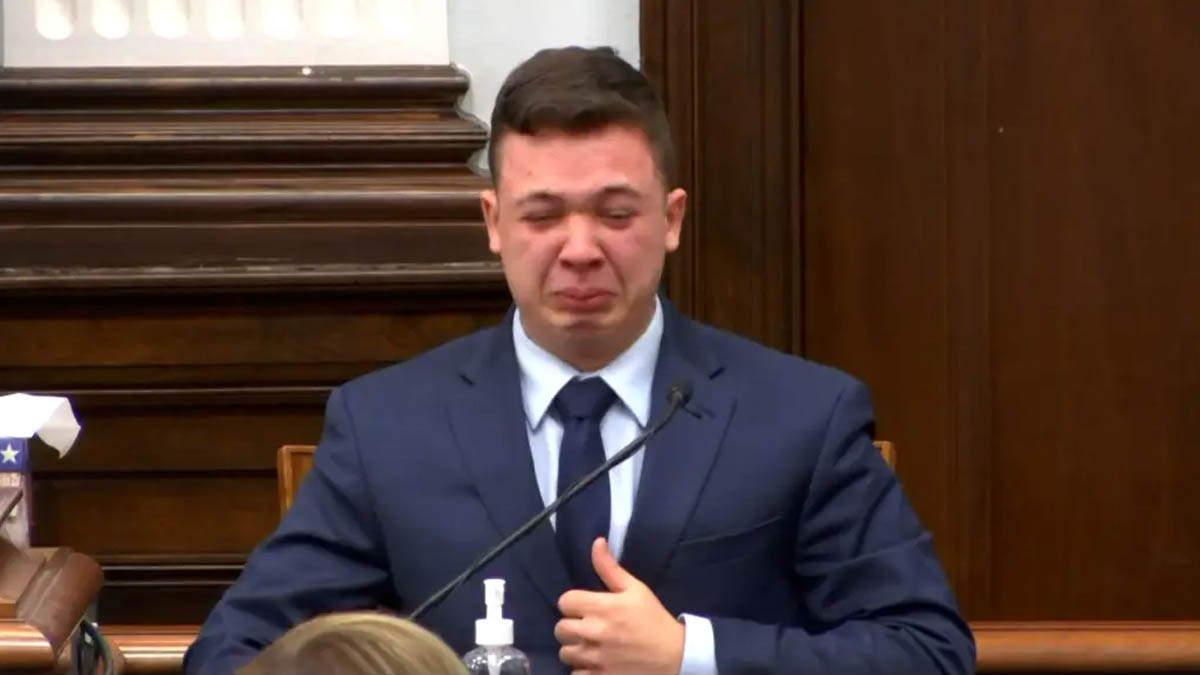
If anything showcases how nonsensical the concept of justice is, just look at the Rittenhouse trial in the United States. Ultimately, justice is about perception. In a textbook, a bad person does something bad, and a process ritual is performed by judges and juries to divine the otherwise obvious badness, and the bad person is brought to justice. In the extended version, they learn the error of their ways and reintegrate into society and live happily ever after.
In reality, this is all bollox. Good and bad are subjective and contextual. But this post isn’t about that. It’s about the charade of justice. In the case of the Rittenhouse trial-slash-debacle, Kyle Rittenhouse shot some people and killed them. Whilst he is being charged with murder, some people view him as a hero—the good man with a gun rather than a vigilante.
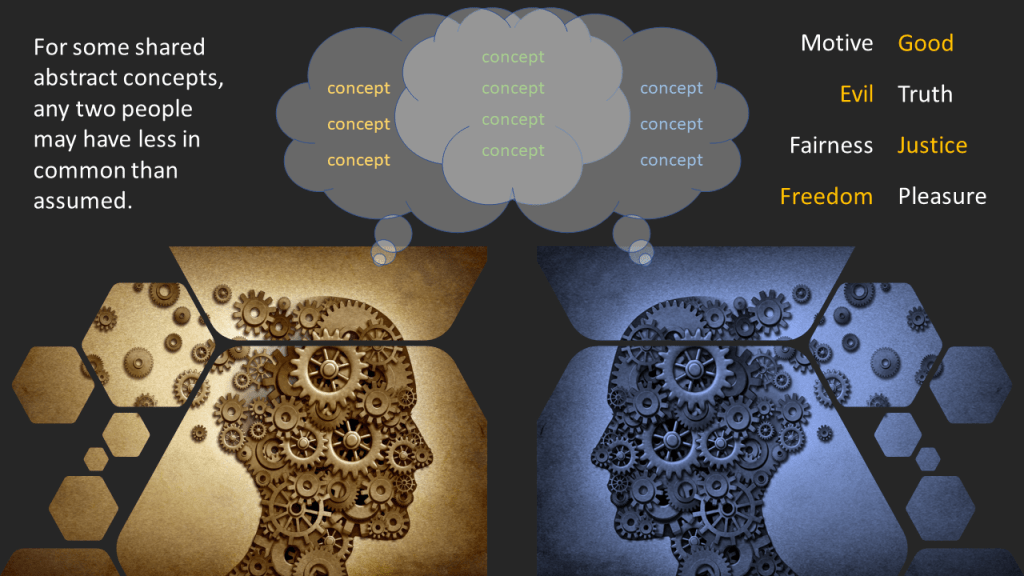
Given these perspectives, whether justice is served is a matter of your starting perspective. People in the United States are generally divided on some fundamental political stands, and this predictably colours individual perspectives.
In the Bible, Christians are taught the story of King Solomon, wherein two women each claim a child as their own. Solomon suggests that they cut the child in half and by doing so, he reveals the true mother by judging their responses.
Spoiler Alert: I am only pretty sure that Solomon wouldn’t have followed through on his twisted joke.
This Bible story is part of the Western legal canon and teaches the impartiality of judges and some practical wisdom, but then we remember that it’s just a story.
Returning to Rittenhouse, irrespective of whether justice ends up being served is basically a coin toss. If you have been following the proceedings, you’ll notice that the pack is being stacked in his favour and the dice are weighted and the coin is biased.
Personally, I think the guy is an ass-hat. I feel that anyone who carries a weapon has anger and compensation issues. And if he wasn’t there in the first place, none of this would have unfolded as it did. I am a conscientious objector and believe this is precisely why the Second Amendment of the US Constitution relates to a well-regulated militia and not some pizza-faced wanker.
If he is judged not guilty, people like me will viscerally feel that justice is a sham. Obviously, I already maintain that opinion, but other people still believe in justice and Santa Claus. If he is judged guilty and gets a suitable sentence—another subjective constituent of justice—, then the other cohort feels that justice was not served.
One could argue, as Christians do, that God is the final arbiter of justice. Someone has to be, right? It also reminds us not to judge—probably because we’re not very good at it—, so there’s that, too.
I hold my original stance: justice is just another vapid weasel word.


 Philosophics