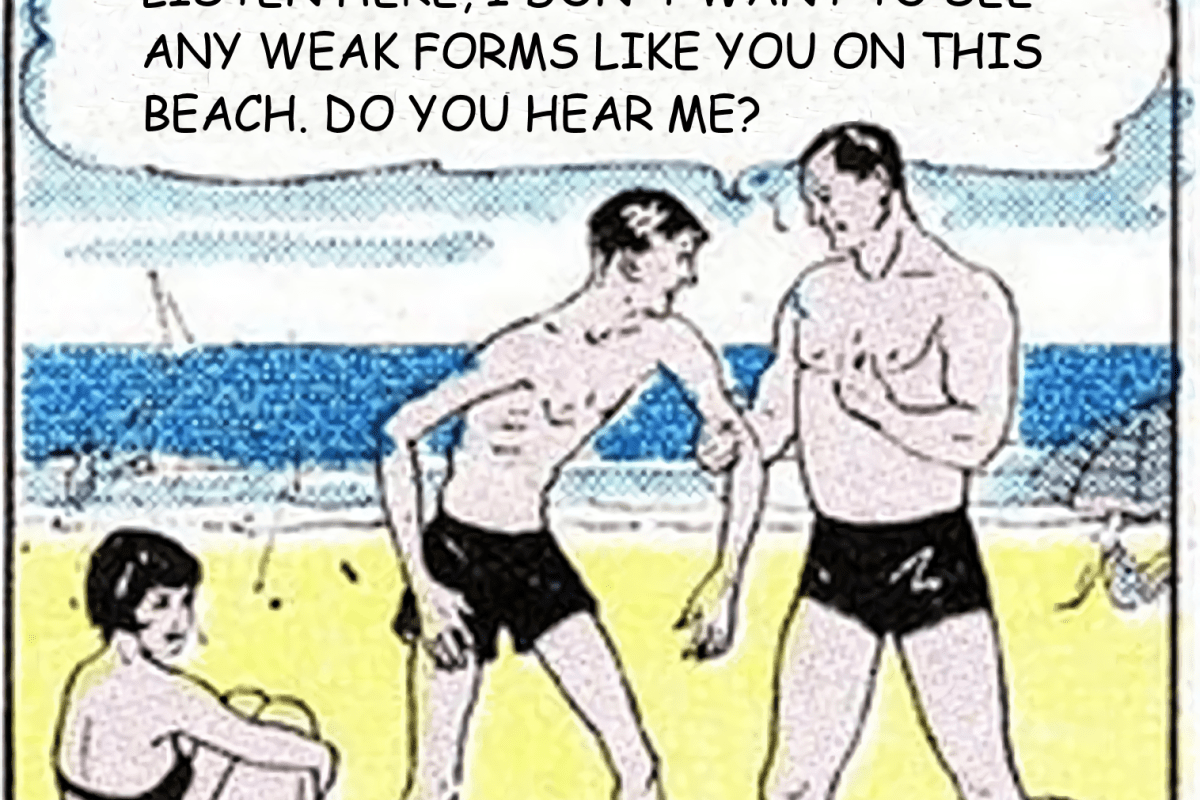
I have been so utterly distracted by YouTube this weekend. In this case, it’s a video by Dr Geoff Lindsey explaining weak forms of the English language.
Much of my work life involves speaking either with non-native English speakers or speakers of English who may be quite well versed in English and yet have a certain rigidity in their execution. Along with local accents, this makes the language feel unnatural to a native speaker.
A common challenge is the adoption of weak forms. Following the principle of least effort, language speakers are lazy. In fact, one may extrapolate this morphology to predict where language may drift next. One example that comes to mind is the American habit of uttering flap Ts over ‘real’ Ts that require slightly more effort to produce.
In English, one says the words, butter, water, doctor, and sister as /ˈbʌtə/,/ˈwɔtəɹ/, /ˈdɒktə/, /ˈsɪstə(ɹ)/ whilst in American English, using the flap T sound, one says (respelt in parentheses) /ˈbʌdəɹ/ (buhd-er), / ˈwɔdəɹ/ (wahd-er), /ˈdɔkdɚ/ (dok-der), /ˈsɪsdər/ (sis-der). Whether the pronunciation of the R is rhotic or non-rhotic is another issue altogether.
But this is about something a bit different. It’s about weak forms, particularly vowels that can be weakened from the strong vowel sound to the shwa (/ə/) sound. It turns out that we do this a lot. In fact, more often than not. Rather than a rehash from the video, I’ve cued it to where Tom Hiddleston recites Lord Byron’s So We’ll Go No More a Roving.
So, we'll go no more a roving
   So late into the night,
Though the heart be still as loving,
   And the moon be still as bright.

For the sword outwears its sheath,
   And the soul wears out the breast,
And the heart must pause to breathe,
   And love itself have rest.

Though the night was made for loving,
   And the day returns too soon,
Yet we'll go no more a roving
   By the light of the moon.
As it happens, much of the difference between native English and English as spoken by non-natives is the hyper-diction heard by choosing the strong rather than the weak form of certain words.
 Philosophics