I’ve been reading too much lately—as if such a state could exist. I have partially constructed posts anchored in other books, yet here I am, leapfrogging to this one.
I purchased Capitalist Realism by Mark Fisher perhaps a decade or more ago, but it simply languished among other prospects on the shelf—not to mention the accumulation of eBooks on my hard drive and in the cloud.
Capitalist Realism is a book I should have read back in the day, and yet, reading it now feels oddly refreshing. The revised version I’m engaging with, published in 2022, includes a preface that attempts to reassure readers that, while the book may not seem as impactful as it did in 2009, much has been done to mitigate the conditions that spawned it. I’ll argue, however, that these conditions remain firmly in place and that the author of the front matter fails to grasp the full implications of the text. Of course, the author is dead. Literally.
In many ways, Capitalist Realism is a distillation of my own intellectual influences, from Žižek to Lacan, Baudrillard and Badiou to Foucault, Deleuze, and Guattari—even Kafka. For me, this base is welcoming—comforting. Perhaps I am the choir who Fisher is preaching to.
The earliest chapters paint capitalism not only as insidious and predacious but also as self-reinforcing. Michael Moore once observed that capitalists would sell the very rope used to hang them. But capitalism runs deeper than this. Even anti-capitalist sentiment is capitalized and commodified. Conscientious individuals can “win” if they simply buy the right brands and donate to the right causes.
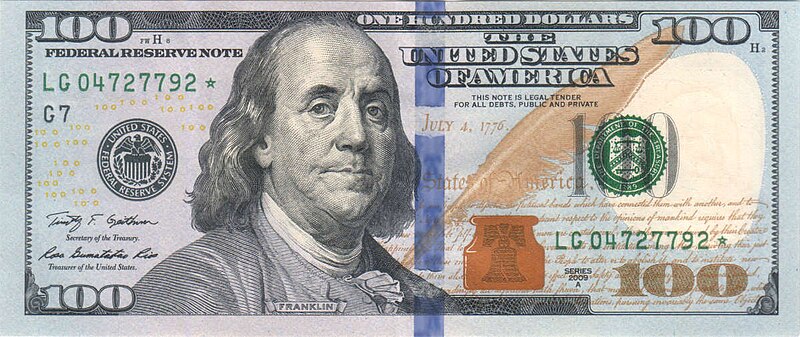
It’s all about the Benjamins.
 Philosophics
3 thoughts on “Capitalist Realism: Is There No Alternative?”