Wait for it… This parodies the use of language to sidestep Constitutional inconveniences. In the game show format, we learn what is and isn’t a war. Wittgenstein would be proud.
Watch this and build up your English language vocabulary.
Socio-political philosophical musings
Wait for it… This parodies the use of language to sidestep Constitutional inconveniences. In the game show format, we learn what is and isn’t a war. Wittgenstein would be proud.
Watch this and build up your English language vocabulary.

I’ve made several political posts in this space, but I was researching the backstory of the Ukraine-Russia conflict. Yet again, insufficiency of language is involved. It’s been said that the West promised not to expand NATO, ‘not one inch’, but it’s not clear whether NATO was the subject of that promise. Even Gorbachov said that NATO was not a topic of discussion, and that omission fell squarely on him. Even if this is the case, Putin made it clear in 2008 that this was his interpretation. Here’s a brief history for those interested. It’s decidedly not an academic affair, but I try to be neutral.
The Ukraine-Russia conflict is deeply rooted in the complex web of historical tensions and geopolitical dynamics that have shaped Eastern Europe from the Cold War to the present day. This article explores the critical developments and decisions from the end of World War II through to the events leading up to 2014, setting the stage for the current tensions.
The geopolitical landscape of post-World War II Europe was significantly shaped at the Yalta Conference, where Allied leaders divided Europe into spheres of influence, leading to the establishment of a Soviet-dominated Eastern bloc. This division set the stage for the Cold War and the creation of NATO in 1949, a collective defence alliance that would come to play a central role in later tensions.
The policies of glasnost and perestroika under Mikhail Gorbachev in the late 1980s, followed by the fall of the Berlin Wall, signalled a shift towards greater openness and potential integration. However, the dissolution of the Soviet Union in 1991 led to new states grappling with independence and the redefining of security and economic relations in the region. Initial hopes for a peaceful Europe were soon challenged by emerging security concerns.
NATO’s eastward expansion began in earnest in 1999 with the inclusion of the Czech Republic, Hungary, and Poland. This move, perceived by Russia as a strategic threat, reignited long-standing fears of encirclement and influenced Russia’s foreign policy. The expansion was justified by NATO as a way to stabilize Eastern Europe and integrate it into a democratic, peaceful Europe.
The 2008 NATO summit in Bucharest was a watershed moment. Although Ukraine and Georgia were not offered immediate membership, NATO’s declaration that they would eventually join the alliance was seen as provocative by Russia. The subsequent Russo-Georgian War in August 2008 underscored Russia’s willingness to use military force in response to perceived encroachments on its sphere of influence.
Relations continued to deteriorate with the EU’s Eastern Partnership program, which sought to deepen ties with former Soviet states, including Ukraine. The situation escalated dramatically in 2014 following the Euromaidan protests in Ukraine, the ousting of President Viktor Yanukovych, and Russia’s annexation of Crimea, a move widely condemned internationally but justified by Russia as a necessary defensive action.
Throughout these developments, Vladimir Putin has maintained that NATO expansion represents a direct security threat to Russia. The narrative from the Russian perspective frames the expansion as a continuation of Cold War antagonism and a disregard for Russia’s security concerns, contrary to what they interpret as promises made during the 1990s.
This detailed narrative from the end of World War II through 2014 illuminates the complexities of Eastern European security dynamics and the challenges in reconciling the strategic interests of NATO and Russia. The ongoing conflict in Ukraine is deeply intertwined with these historical tensions, reflecting long-standing struggles for influence and security in post-Cold War Europe.
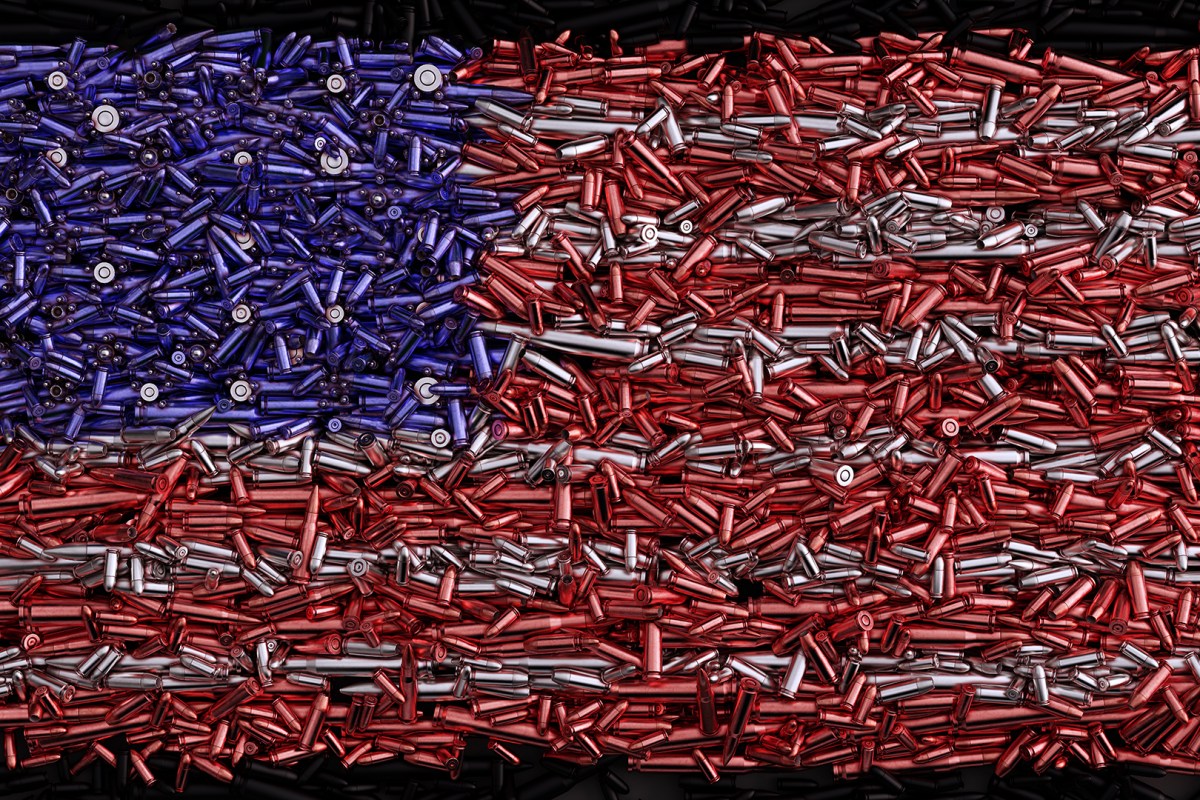
DISCLAIMER: Please note that the cover image is AI-generated—as if that isn’t immediately and obviously apparent.
If anything, perhaps this will help with SEO.
To provide a clearer picture of the discussions and statements made about NATO expansion during the early 1990s, particularly around the time of German reunification, here are some notable quotes and summaries from key figures involved:
James Baker reportedly told Mikhail Gorbachev during a meeting in 1990:
Gorbachev’s response to these discussions has been a source of significant interest:
Genscher’s position was similarly focused on reducing Soviet fears about NATO:
The assurances regarding NATO not expanding “one inch eastward” were primarily discussed in the context of German reunification and the integration of East Germany into NATO without expanding NATO’s military presence further east. The ambiguity lies in whether these assurances were understood to apply only temporarily or permanently, and specifically to Eastern Germany or more broadly to Eastern Europe.
After these discussions, in 1991 and beyond, the situation changed dramatically with the dissolution of the Soviet Union. The security landscape in Europe was fundamentally altered, leading to different priorities and decisions. By the mid-1990s, the question of broader NATO expansion became a topic of much debate, and in 1999, several former Eastern Bloc countries were admitted into NATO.
The quotes and the context they were spoken in reveal the complexities of diplomatic communications and the difficulties in interpreting what was meant and understood by different parties. These discussions were contingent on numerous factors, including the rapidly changing geopolitical landscape following the end of the Cold War.
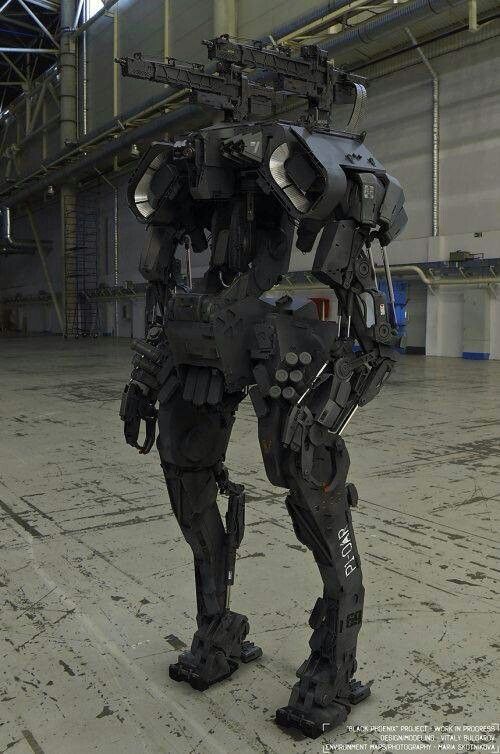
Here’s an article I found interesting that touches on the way that technology obscures morality.
 Philosophics