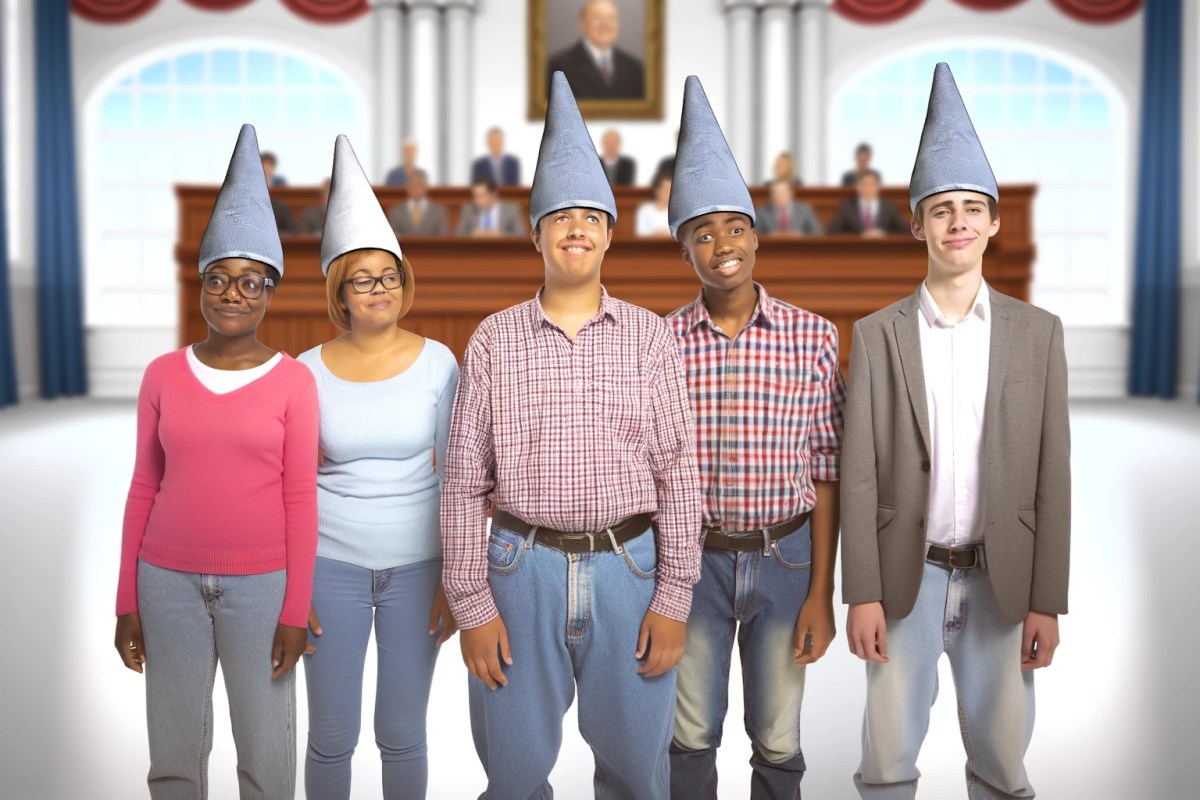
I’ve resurrected a book project (working title Dumbocracy) that I commenced at the end of 2021. I’ve revisited the structure and made some amends to the outline before I move forward. I’ve done more research and feel the topic is (sadly) still as relevant now as then. The approach I am taking is to present:
- definition and summary
- historical perspective of advocates and detractors
- the main thesis and antithesis
- alternatives
- future prospects
I’ve got a lot going on, so this may whither or die on the vine, but I’m hoping to reach the goal line this time. Since I already invested many hours over days since Autumn 2020, the groundwork is already laid.
If anyone has any contributions, I welcome them.
Revised Chapter Order
- Position and Setup
- Introduce the central thesis and set the stage for the book.
- Historical Backdrop – Pre-Enlightenment Until Now
- Provide historical context to ground the reader in the evolution of democratic ideas.
- Celebrity Supporters
- Highlight influential figures who supported democracy, setting up the positive aspects and idealism associated with it.
- Celebrity Anti-Democracy Figures
- Present notable critics of democracy to introduce scepticism and counterpoints early on.
- Prima Facie Arguments
- Lay out the initial arguments against democracy, building on the scepticism introduced in the previous chapter.
- Shaky Grounds and Necessarily Suboptimal Outcomes: Arrow’s Impossibility Theorem
- Dive into the mathematical and theoretical flaws in democratic voting systems to provide a strong foundation for the critiques.
- Essential Steelman Counterarguments
- Present the strongest counterarguments to the prima facie arguments, offering a balanced perspective.
- Are We Too Dumb for Democracy?
- Analyze cognitive limitations and their impact on democratic decision-making.
- Dealing with Rational Ignorance and Unknown Unknowns
- Address the issues of rational ignorance and the limits of voter knowledge.
- Reconciling Worldviews: Individualism Versus Collectivism
- Discuss the philosophical tensions and their implications for democracy.
- Possible People-Based Solutions
- Introduce potential reforms and solutions to address the identified flaws.
- People-Based Counterarguments
- Defend democracy by presenting strong arguments for the capability and resilience of the populace.
- Against Democracy
- Explore Jason Brennan’s epistocracy and other critiques in depth.
- Effective Mob Rule
- Discuss ways to improve voter quality and address historical injustices.
- The Representatives
- Debate the idea of electing more qualified representatives.
- Jeremy Bentham’s Panopticon — Watching the Watchers
- Consider the concept of surveillance and accountability in governance.
- US / UK Politics
- Critique the current state of politics in the US and UK, providing contemporary relevance.
- SCOTUS Partisanship
- Examine the partisanship in the Supreme Court and its implications for democracy.
- Jury Systems
- Analyze the jury system as a microcosm of democratic principles.
- What About…?
- Anarchy and Libertarianism
- Deliberative Democracy
- Republicanism
- Epistocracy
- Sortition
- Other Potential ‘What Abouts’
- Tea Leaves
- Speculate on the future of democracy and potential reforms or alternatives.
- And So What? Where to Go from Here?
- Summarize the findings and suggest practical steps for addressing the flaws in democracy and exploring alternatives.
NB: As is typical, these are working titles subject to change.
 Philosophics